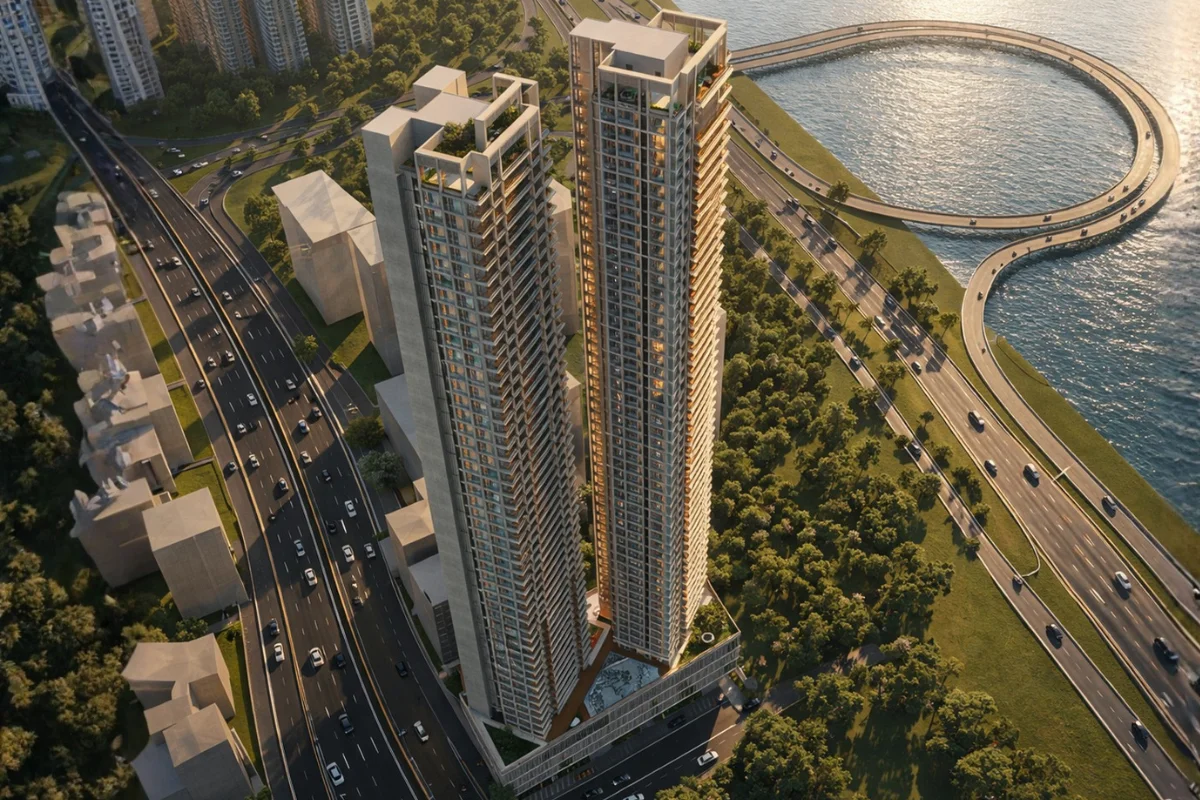
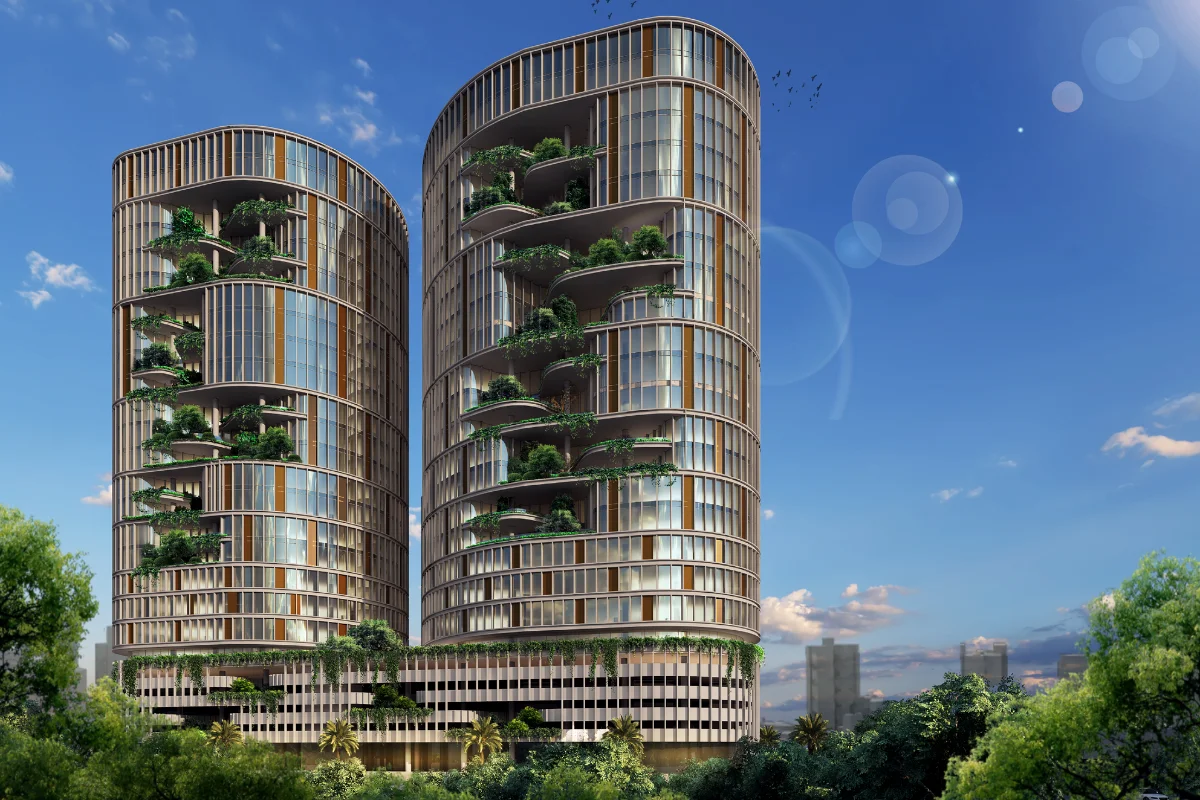
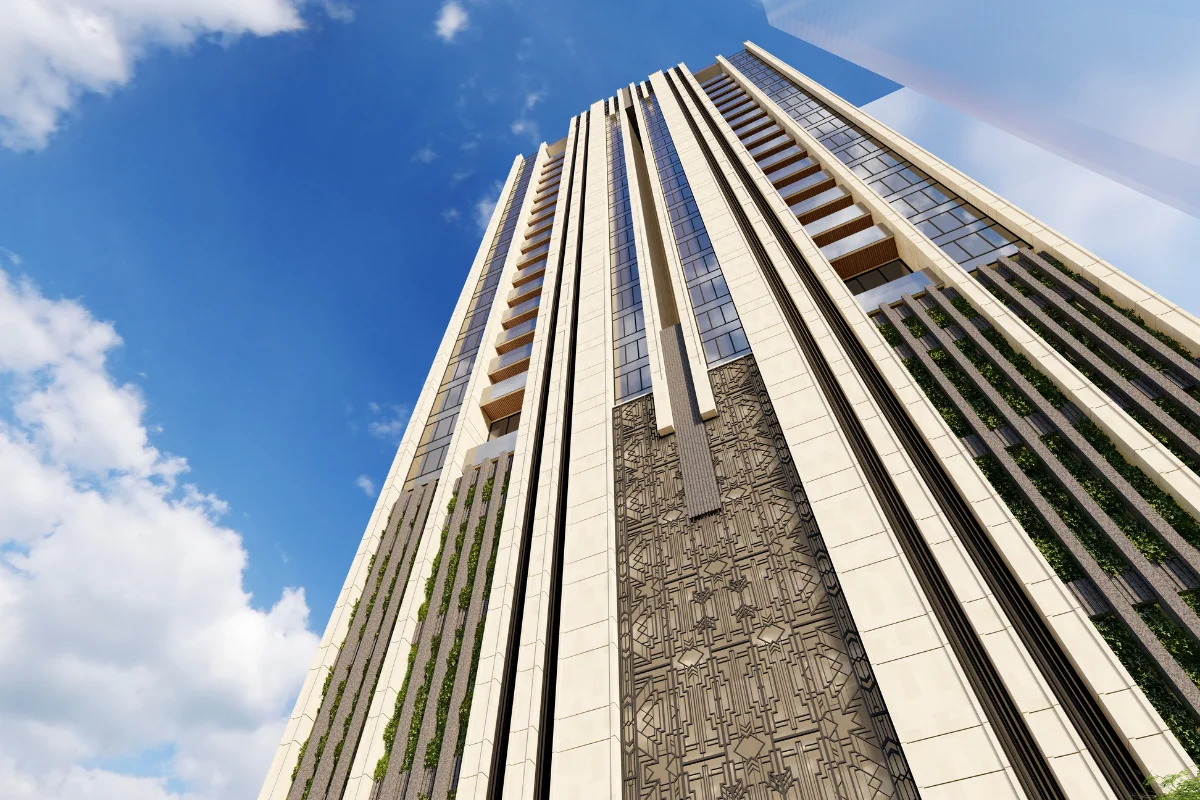
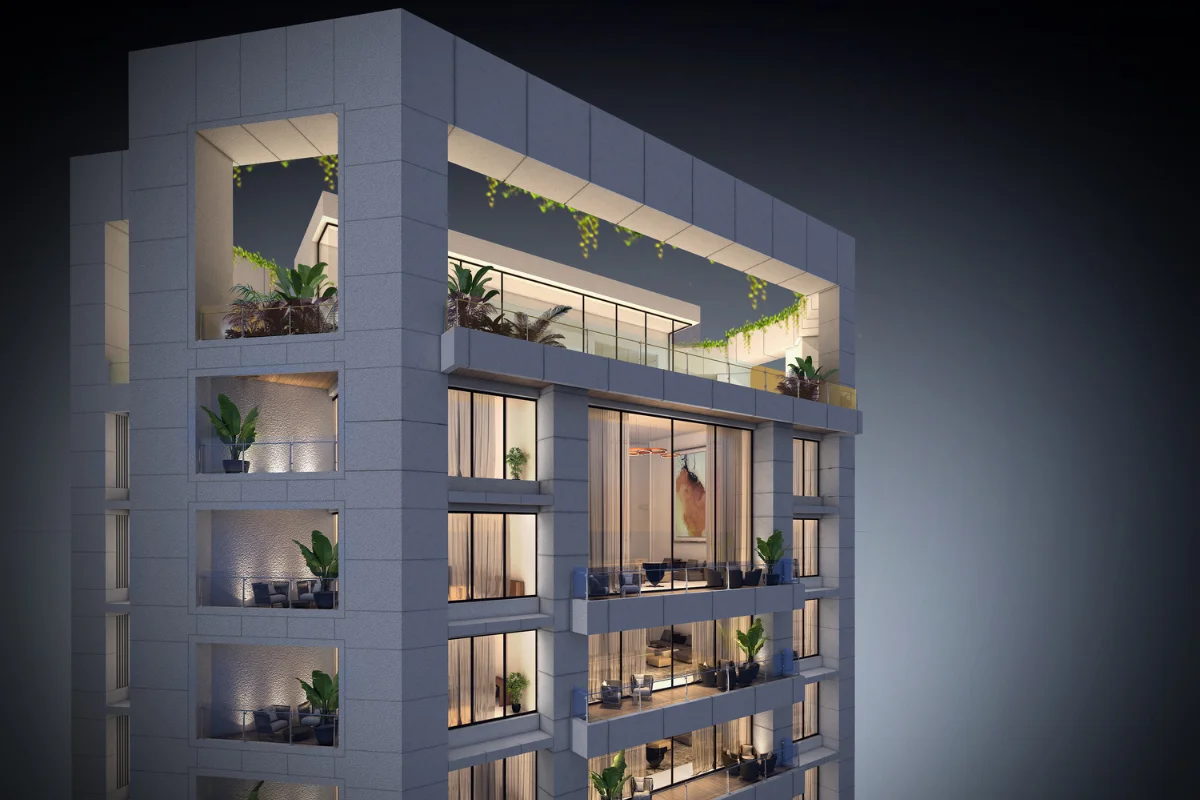
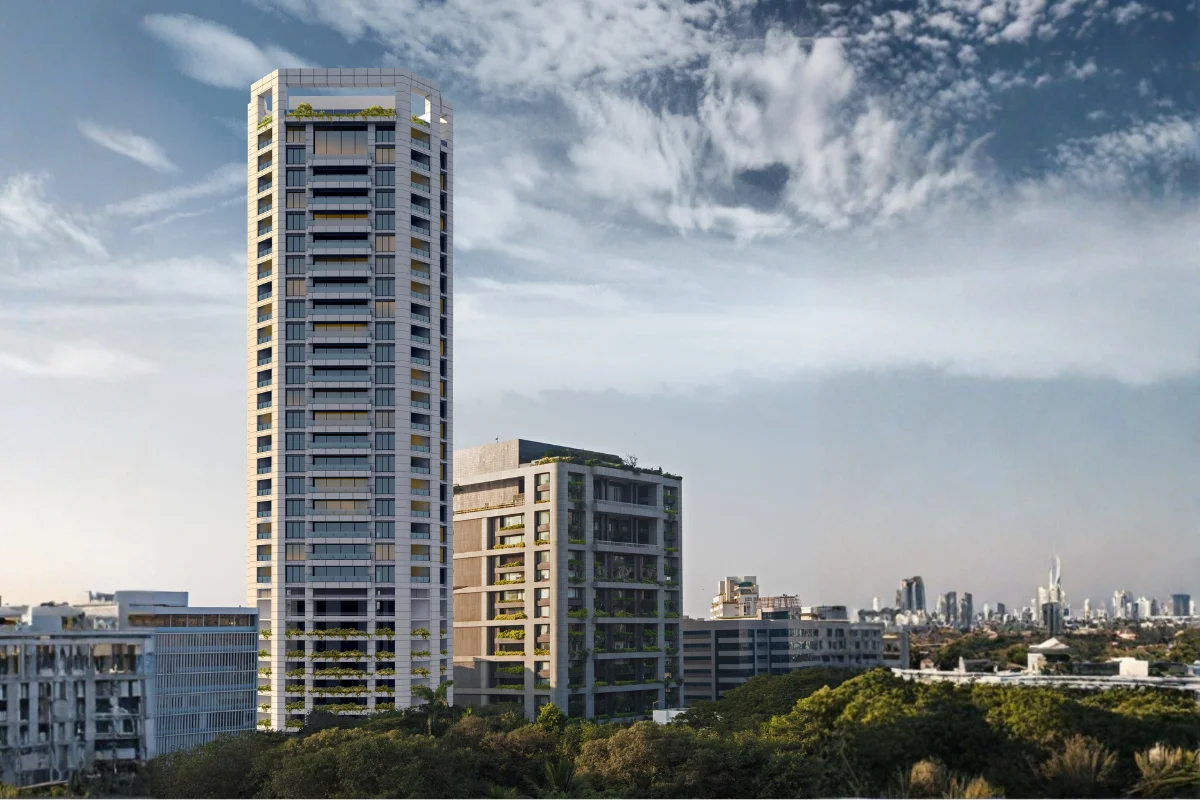
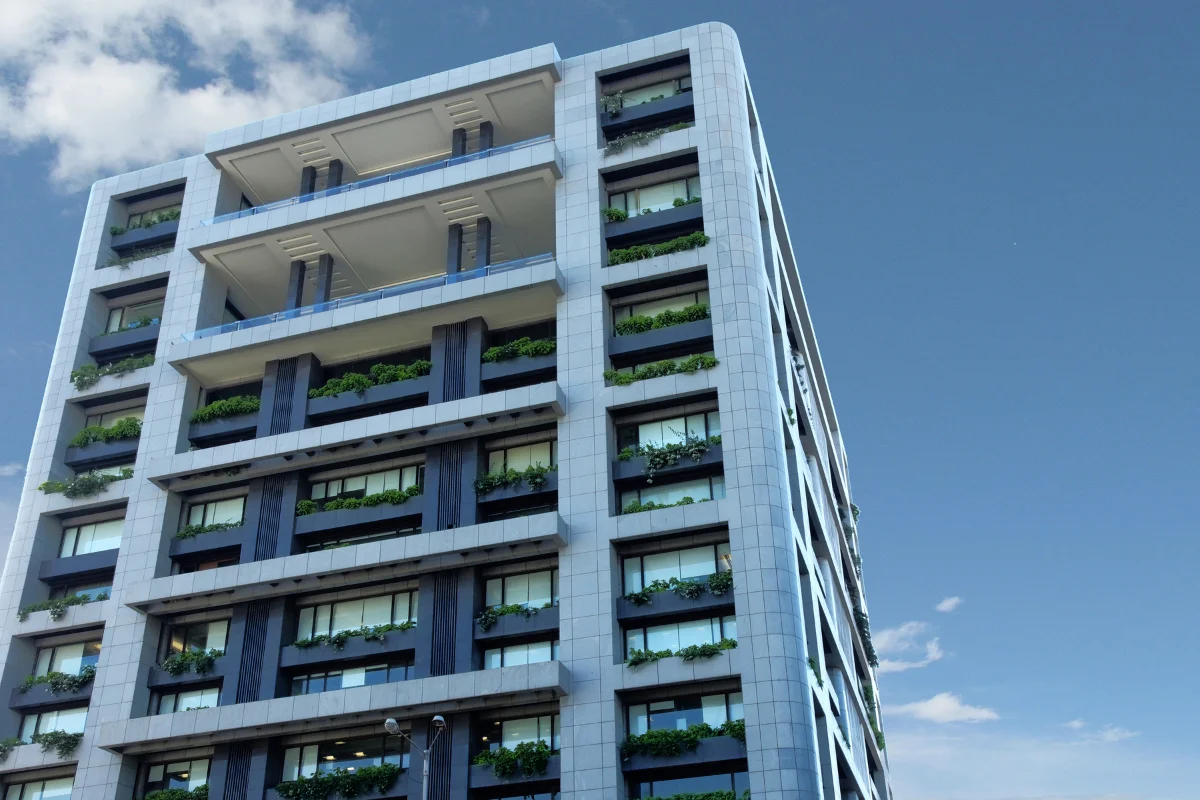
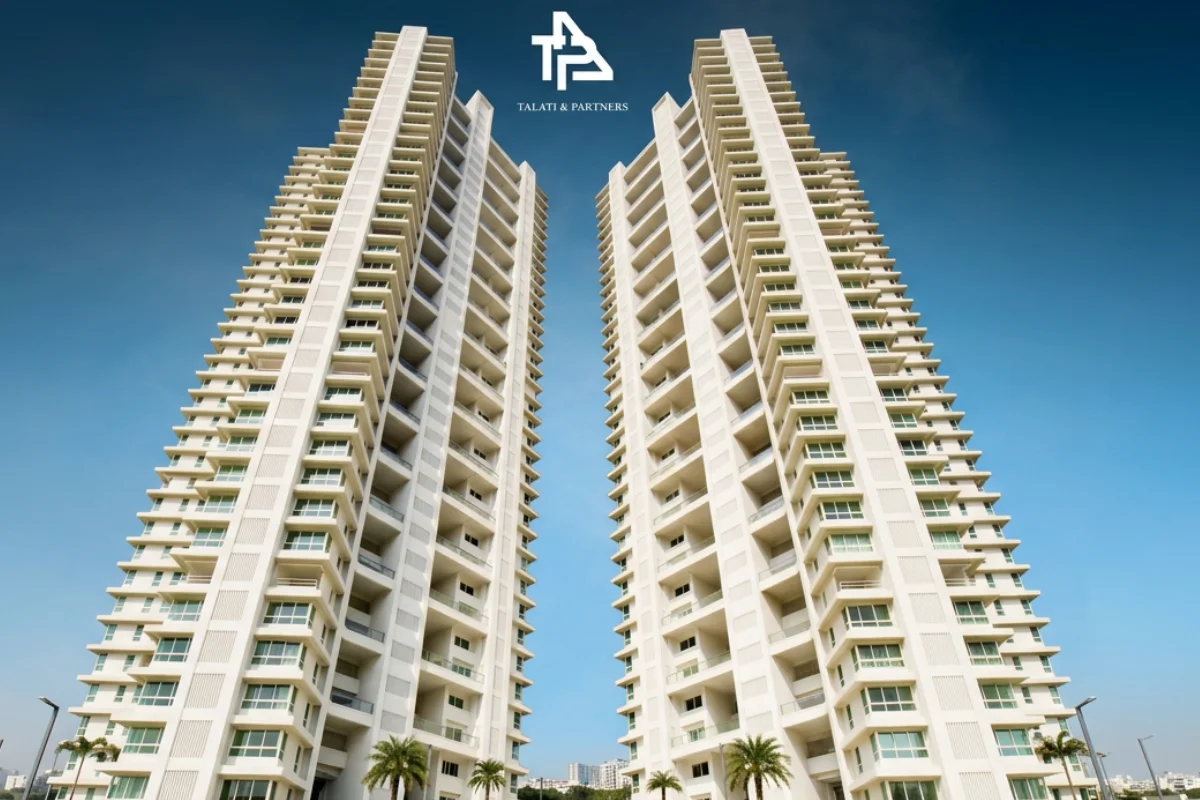
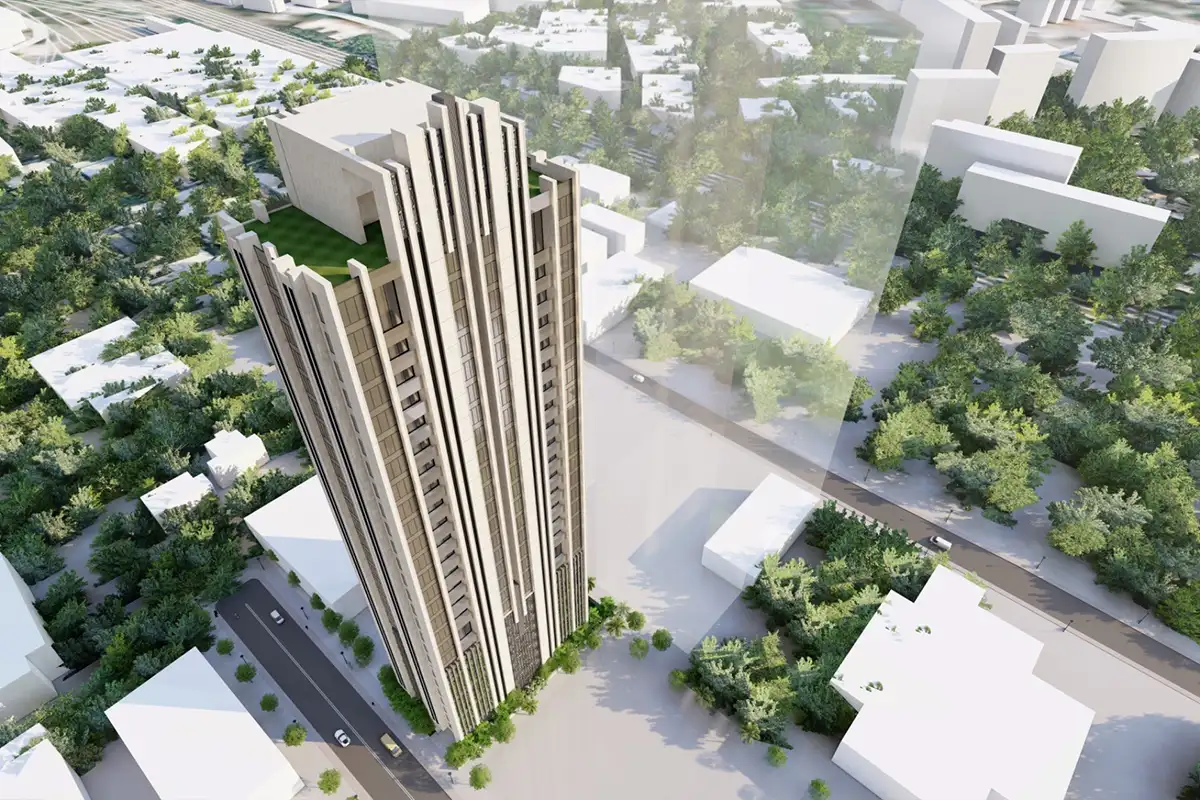
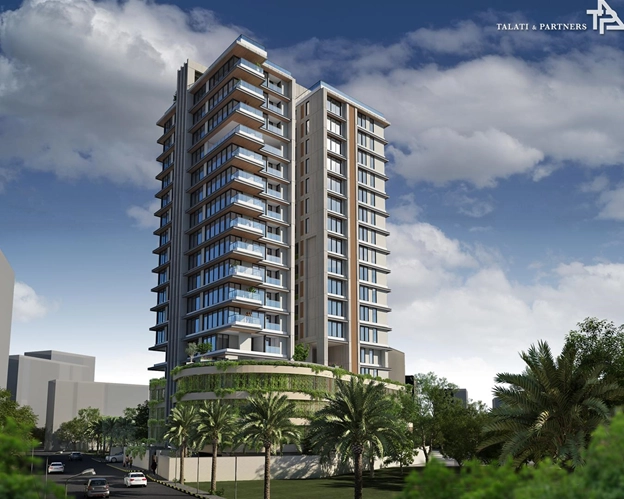
The 2026 cityscape finds rhythm within the daily lives of the residents. Morning walks trace familiar paths while concrete monoliths appear as fleeting fragments through a passing window. Architecture now responds to this slow accumulation of life rather than the pursuit of mere spectacle. As environmental pressures rise and urban density intensifies, the narrative for 2026 shifts toward systems that champion longevity and human comfort. Within the diverse portfolio of Talati and Partners, this evolution is clear across residential towers and sprawling campus developments where form follows climate and context, or as we call it, ‘the empathetic architecture’. The architectural styles defining the year ahead move away from loud visual statements to focus on how buildings participate in the collective experience.
The art of the modular component in construction gains new relevance as the modern metropolis seeks a faster and more controlled building process. Throughout the coming year, this logic extends beyond the speed of assembly to influence the very soul of spatial planning.
The memory of masonry, a dialogue between past and future, finds a new resonance as the industry pivots toward the environmental necessity of the existing shell. Heritage no longer acts as the sole driver for preservation. Instead, the carbon impact of new construction pushes a preference for the reworking of a standing frame.
A definitive pivot toward responsibility and restraint now defines the structural landscape as 2026 is here. Buildings must perform across the coming decades, adapting to a shifting social climate without the loss of their original relevance. Within the diverse portfolio of Talati and Partners, this moment finds expression through a commitment to context and a deep intelligence regarding material use. Enduring structures succeed by supporting the rhythms of daily life with a sense of clarity and care. This philosophy positions architecture as a steady presence in an evolving city rather than a fleeting visual statement.