Talati & Partners

top

Modern House Interior Design and Luxury

Modern house interior design combines clean architectural forms, carefully selected materials, natural and architectural lighting, seamless spatial flow, and restrained colour palettes to create homes that feel sophisticated, comfortable, and timeless. Modern luxury is not defined by excessive decoration; it comes from thoughtful planning, quality materials, proportion, craftsmanship, and attention to everyday living.

Key Elements of Modern Luxury Home Interiors

A successful modern luxury interior is built around several connected design principles. Clean lines and well-proportioned spaces create visual clarity, while natural materials such as timber and stone introduce warmth, texture, and authenticity. Thoughtful lighting enhances architectural features, and an intuitive floor plan allows spaces to transition naturally from one area to another.

Modern Minimalist Interior Design

Modern minimalist interiors focus on simplicity without making a home feel empty or impersonal. A restrained approach to furniture, decoration, and finishes allows architectural form and material quality to become the primary visual elements. Storage can be integrated into the architecture to maintain clean surfaces and reduce unnecessary visual clutter.

Luxury Materials for Modern Homes

Material selection plays an important role in creating a luxurious modern house interior. Natural timber, stone, marble, metal, glass, and carefully selected textiles can add depth and character to a restrained design. Using a consistent material palette across different rooms helps create a cohesive and sophisticated interior.

Lighting in Modern House Interiors

Lighting should be considered as part of the architecture rather than simply as a decorative addition. Large windows can maximise natural light, while concealed LED lighting, recessed fixtures, architectural lighting, and carefully positioned accent lighting can highlight materials and create atmosphere after sunset.

Modern House Interior Colour Palette

Neutral and tonal colour palettes are commonly associated with modern luxury interiors. Warm greys, soft whites, taupes, earthy neutrals, and muted tones can create a calm foundation, while deeper shades can be introduced selectively through furniture, artwork, materials, or architectural details.

Creating Flow in a Modern Home

Spatial flow is essential to a successful contemporary home interior. Living rooms, dining areas, kitchens, corridors, and private spaces should connect naturally while still providing appropriate levels of privacy. Subtle changes in material, lighting, furniture placement, and ceiling treatments can define zones without relying on heavy partitions.

Functional Luxury in Residential Interior Design

Luxury residential interior design should support the way people actually live. Well-planned circulation, integrated storage, comfortable furniture, functional kitchens, private retreats, and adaptable living spaces can make a home both elegant and practical. The objective is to create an interior that looks refined while remaining effortless to use every day.

Timeless Modern Interior Design

A timeless modern home does not depend entirely on short-lived trends. Instead, it combines enduring architectural principles with high-quality materials, thoughtful proportions, natural light, functional planning, and personalised details. This approach allows a luxury interior to remain relevant and comfortable for years to come. Modern house interior design ultimately brings together form, material, light, flow, and colour to create a complete living experience. When these elements are resolved as part of one cohesive design strategy, luxury becomes less about visual excess and more about comfort, craftsmanship, clarity, and the quality of everyday life.

How to Design a Modern House Interior That Exudes Luxury Effortlessly
Modern house interior design luxury featuring elegant contemporary interiors
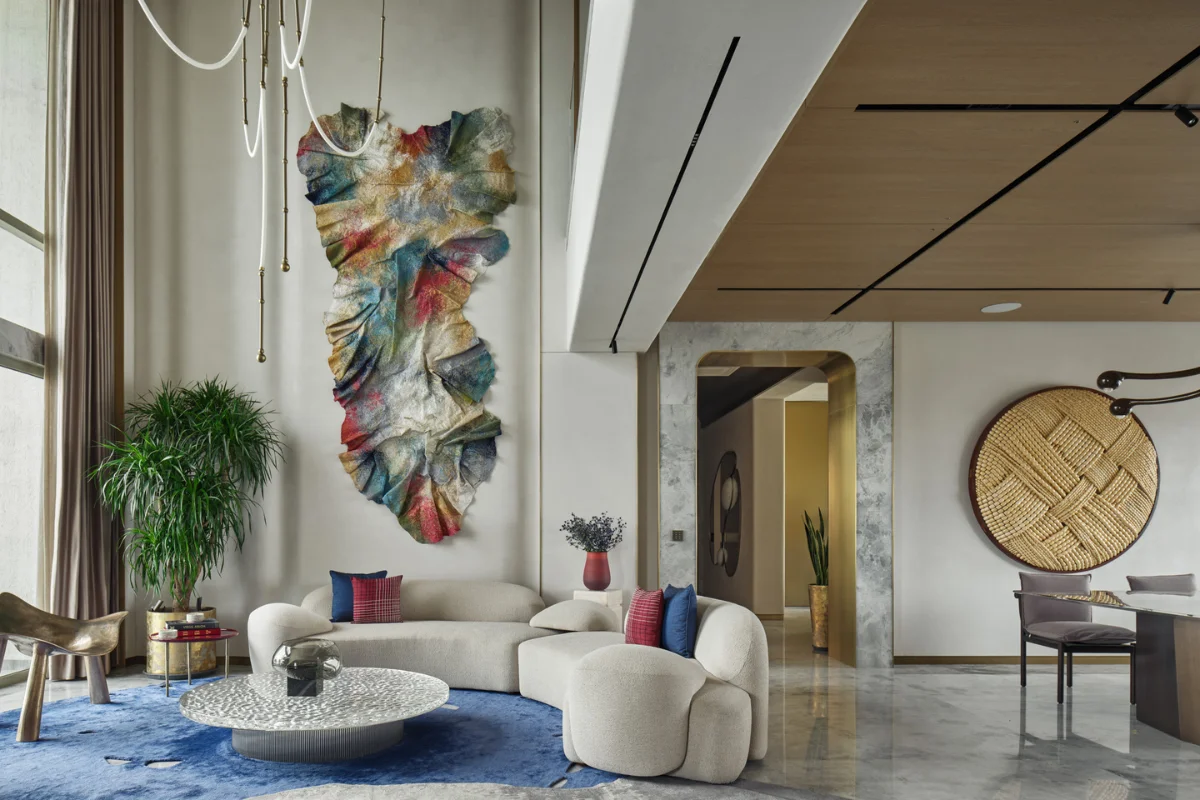
Ask ten people what “modern” means in interior design, and you’ll likely get ten different answers; all-white walls, glass and steel, bare concrete, or simply “not cluttered.” It’s one of the most overused words in design, and also one of the most misunderstood. Some associate it with cold minimalism, others with stark, impersonal spaces that photograph beautifully but feel uninviting to actually live in. The truth is that modern design isn’t a look you copy from a moodboard; it’s a set of principles you apply thoughtfully, in a way that responds to the specific home, the specific family, and the specific way that family lives. Knowing how to design a modern house interior comes down to understanding four core elements that work together, form, material, light, and flow, rather than chasing a particular aesthetic trend that will likely feel dated in a few years.
Done well, a modern interior doesn’t announce itself loudly. It reads as calm, considered, and quietly luxurious, because every decision, from the shape of a doorway to the grain of a countertop, has been made with intent rather than habit. This piece breaks that process down into five practical steps, using real homes as reference points along the way.

Step 1: Start with form, clean lines without coldness
Modern house interior design luxury featuring elegant contemporary interiors
The first modern interior design principle is form. Clean lines interior design doesn’t mean stripping a home of character; it means removing anything that doesn’t earn its place. Straight edges, uninterrupted surfaces, and a restrained use of ornamentation allow the architecture itself to become the decoration. The goal isn’t austerity; it’s clarity. A well-proportioned room, even a fairly simple one, will always feel more considered than a busy one crowded with competing shapes.
This is where many modern interior design ideas go wrong, mistaking “minimal” for “empty.” A truly modern room still has warmth and personality; it simply expresses them through proportion and restraint rather than decoration.
Modern house interior design luxury featuring elegant contemporary interiors

Step 2: Choose materials that are honest, not decorative
Modern house interior design luxury featuring elegant contemporary interiors
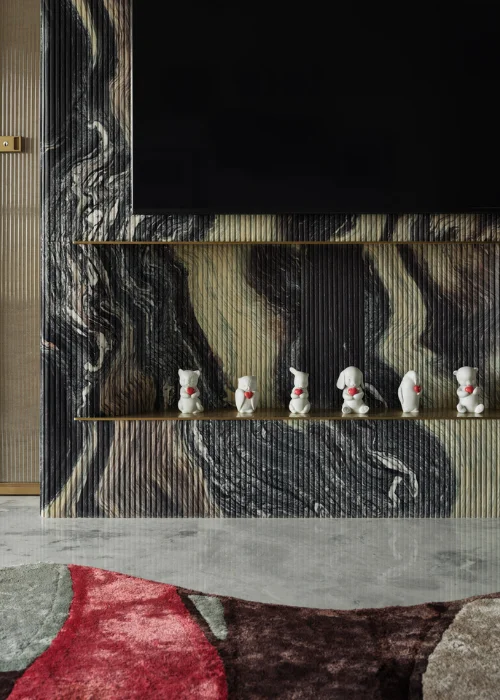
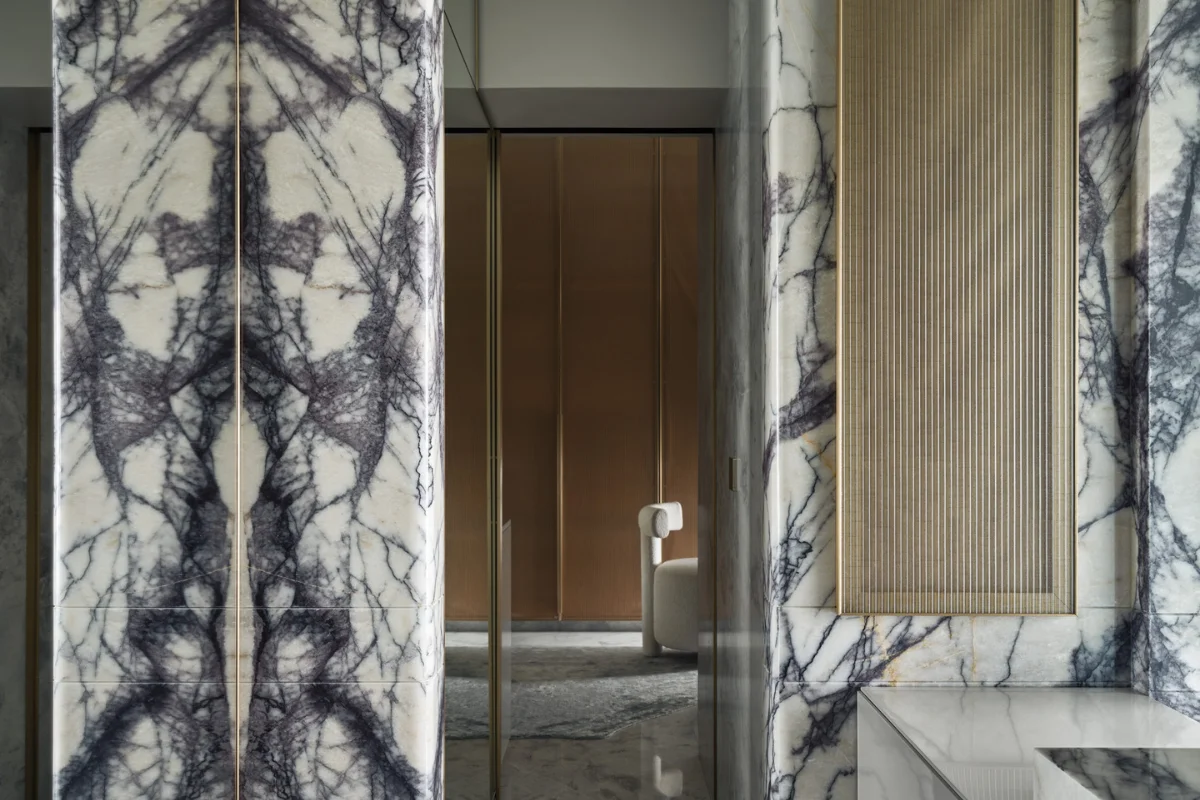
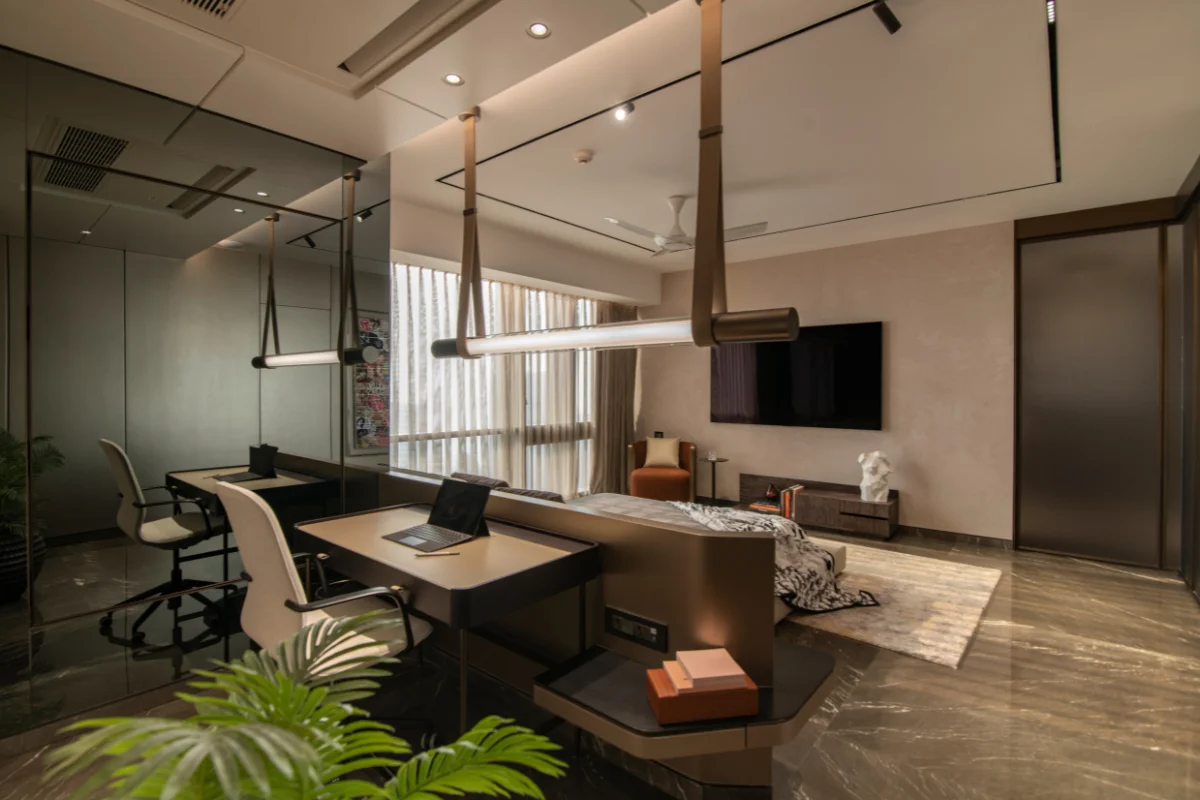
Material honesty is central to how to design a modern house interior that feels genuinely luxurious rather than trend-driven. This means letting materials look like what they are; timber that shows its grain, stone that shows its veining, metal that shows its finish, instead of disguising one material as another. A modern minimalist interior relies on a tight, deliberate material palette rather than a wide, decorative one, so that each surface feels chosen rather than filled in.
The Bachelor Pad is a good example of this restraint in practice; a compact material story, used consistently across the space, creates a sense of cohesion that a busier, more eclectic palette never quite achieves.

Step 3: Let light shape the space, not just illuminate it
Modern house interior design luxury featuring elegant contemporary interiors
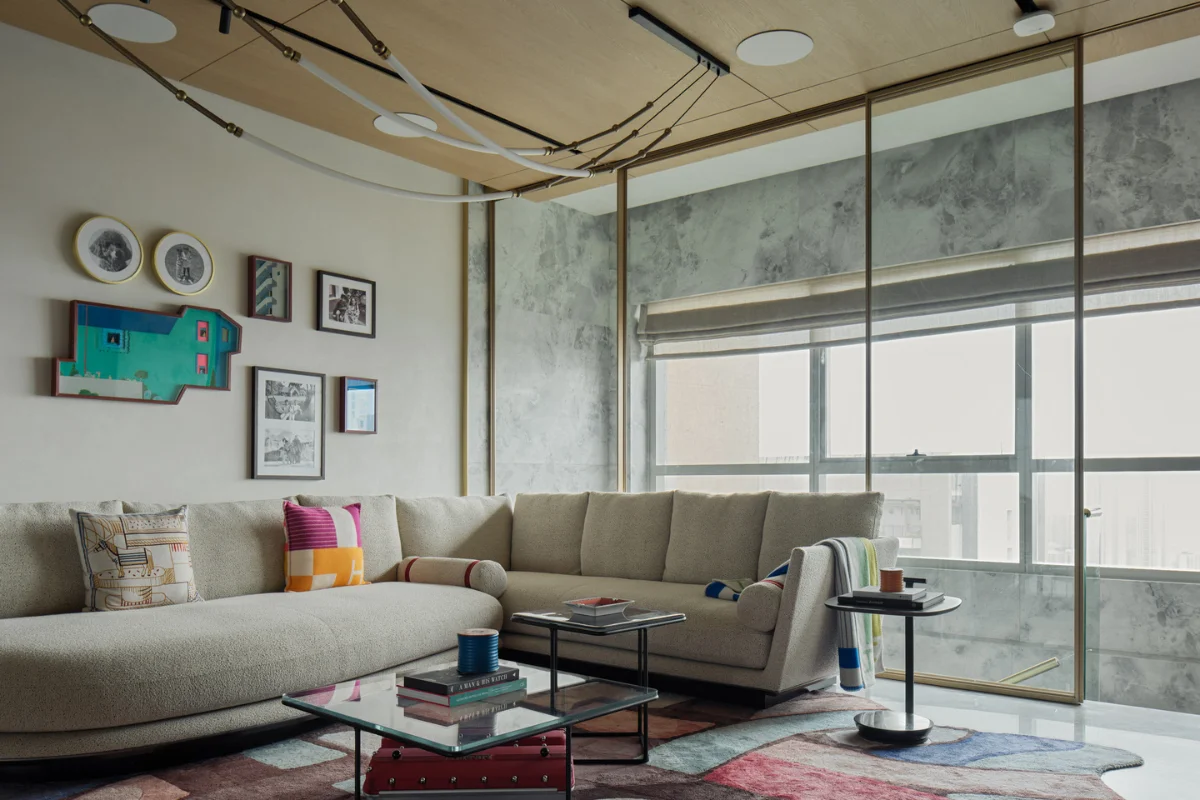
In modern interiors, light is treated as a design material in its own right, not an afterthought layered on at the end. Large format windows, minimal window dressing, and light-enhancing surface finishes all work together to let a room breathe. Artificial lighting, in turn, is usually concealed or architectural rather than decorative, supporting the clean lines of the space instead of competing with them.
This is one of the more overlooked modern house design tips; a room with excellent proportions and materials can still feel flat if the lighting hasn’t been considered with the same rigor as the layout itself.

Step 4: Design for flow, not just floor plan
Modern house interior design luxury featuring elegant contemporary interiors
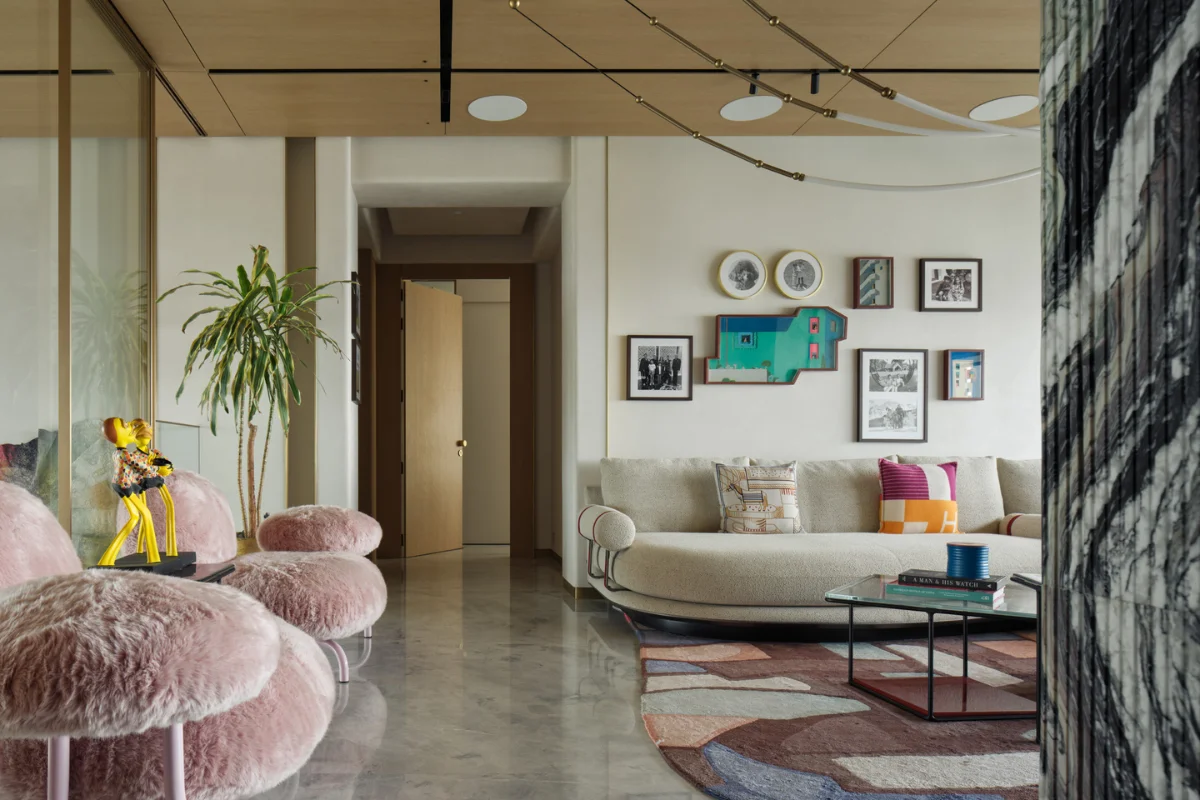
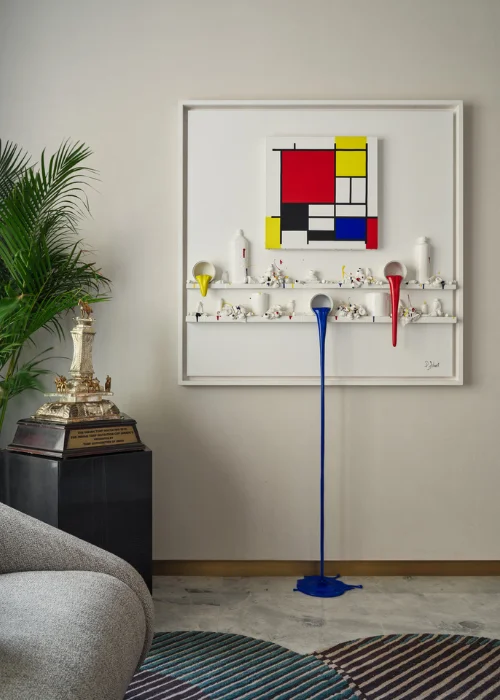
Flow is what separates a modern house interior from a merely modern-looking one. It’s about how a person actually moves and lives within a space; whether the kitchen opens naturally into the living area, whether a hallway feels like a corridor or a considered transition, whether storage disappears seamlessly instead of interrupting a clean wall. A contemporary home interior is ultimately judged not by how it photographs, but by how effortlessly it supports daily life.
At The Modern Fusion Home, this principle is evident in how spaces transition into one another without abrupt breaks; open living zones give way to more private areas through subtle shifts in material and light rather than heavy partitions, keeping the entire home feeling connected.
Modern house interior design luxury featuring elegant contemporary interiors

Step 5: Choose a modern interior colour palette
Modern house interior design luxury featuring elegant contemporary interiors
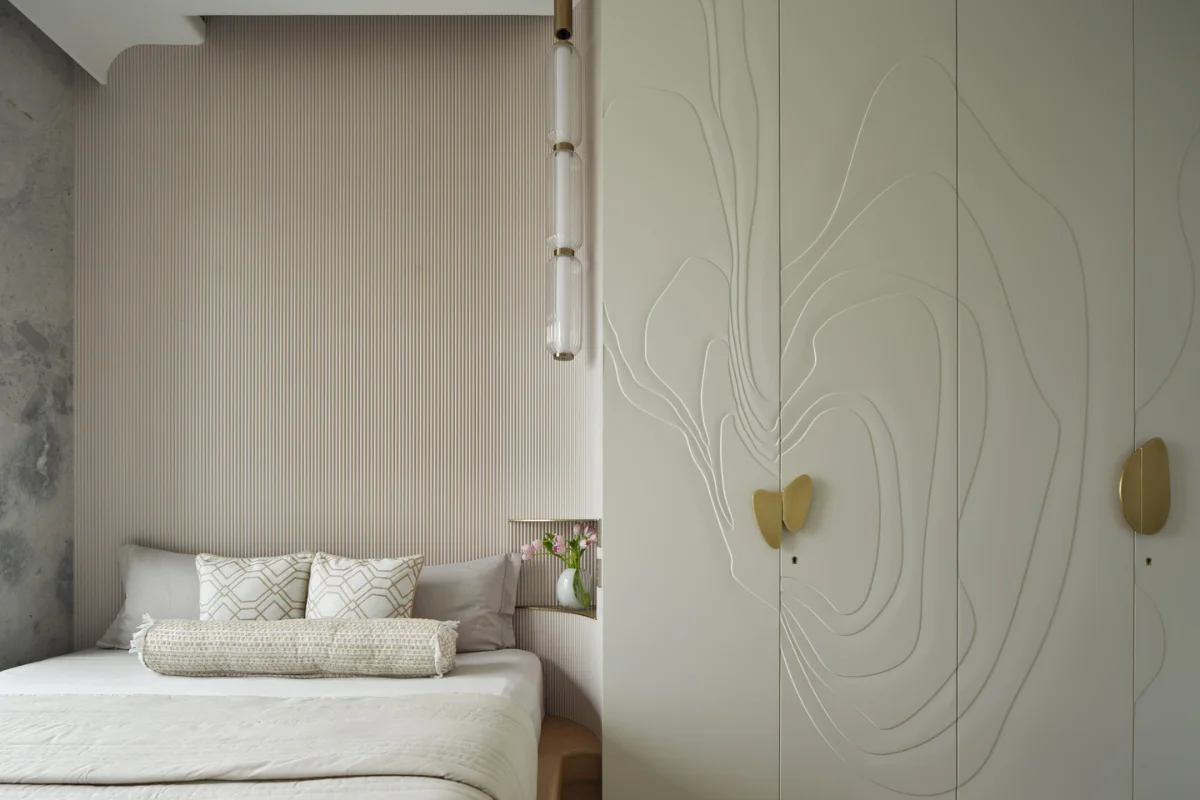
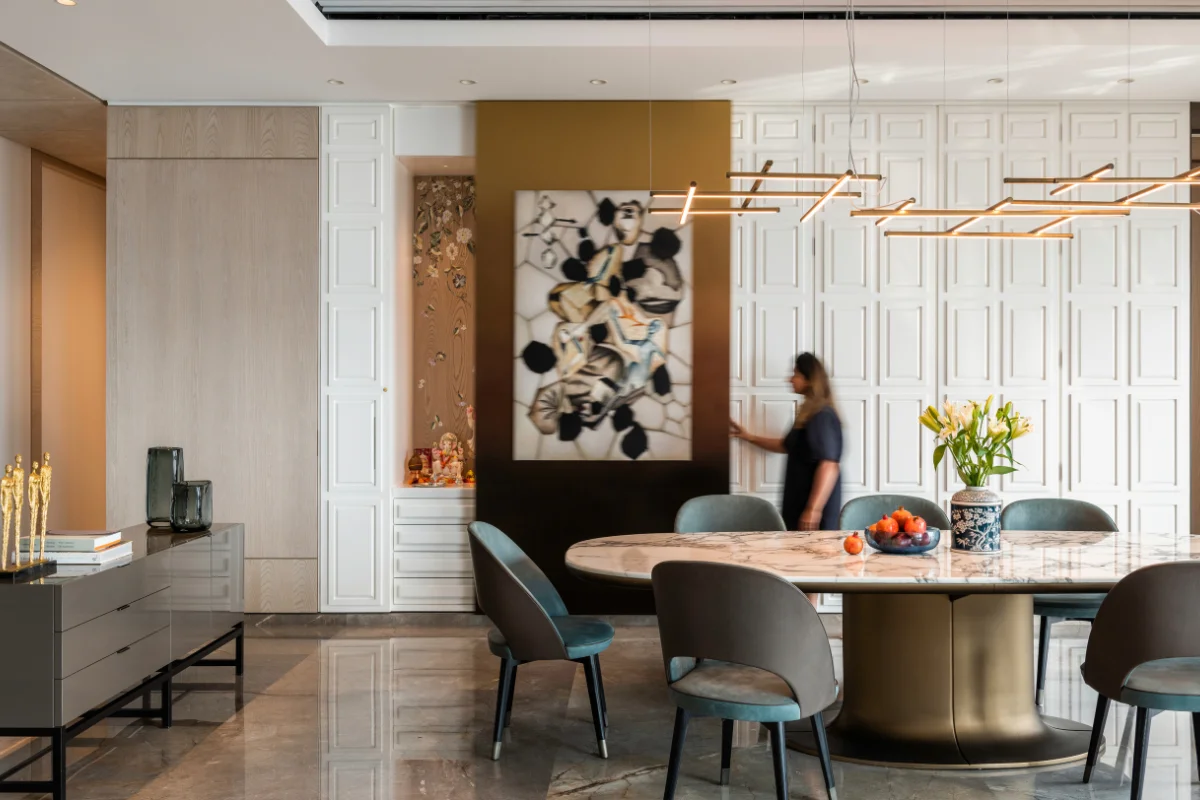
A restrained modern interior colour palette is often what ties form, material, and light together. Think tonal neutrals; warm greys, soft taupes, muted whites, layered with one or two deeper accent tones drawn from the home’s natural materials, rather than bright, competing colours. This isn’t about avoiding colour altogether; it’s about letting colour emerge from material rather than paint alone, so the palette feels grounded instead of decorative.
A Modern Minimalist Apartment at Niyati Residency demonstrates this well; a tonal, largely neutral palette allows texture and craftsmanship to take center stage, rather than relying on colour contrast to create visual interest.

Bringing it all together

Modern house interior design luxury featuring elegant contemporary interiors
Ultimately, learning how to design a modern house interior isn’t about following a style guide from a magazine or replicating a look you saw online; it’s about applying a framework consistently, and allowing that framework to respond to how a specific family actually lives. Form gives a space its clarity, material gives it honesty, light gives it life, and flow gives it ease. Colour, when chosen last and chosen carefully, simply ties these decisions together rather than driving them.
When these five elements are considered together rather than in isolation, the result is a home that feels luxurious not because of what’s been added, but because of how thoughtfully everything has been resolved. A modern interior, done right, doesn’t need to shout to be noticed; it simply needs to feel effortless to live in, every single day, in ways that only become more apparent the longer you spend in the space. That’s the real difference between a house that simply looks modern, and one that has genuinely been designed with modern principles at its core.
Stay tuned at www.talatiandpartners.com for more such design ideas.

How to Design a Modern House Interior That Exudes Luxury Effortlessly

  • Clean lines, minimal ornamentation, an honest use of materials, and function-led layouts are the core defining traits, as distinct from strictly "minimalist" or "contemporary" styles.

  • Modern design refers to a specific historical design movement from the early-to-mid 20th century, while contemporary design reflects whatever is current today.

  • Neutral, tonal palettes, warm greys, taupes, and soft whites, layered with one or two deeper accent tones, are most associated with modern interiors.

  • Focus on a few high-quality material moments (like a stone countertop or solid wood furniture piece) rather than spreading budget thin across many cheaper elements.

  • Restraint in decoration, an emphasis on natural light, functional layouts, and a limited, considered material palette.

Blogs you may like..

Are you ready to step into the world of interior design and immerse yourself in the latest trends and styles? Welcome to the exciting realm of blogs at TPA, where creativity meets functionality and inspiration abounds.
August 21, 2026
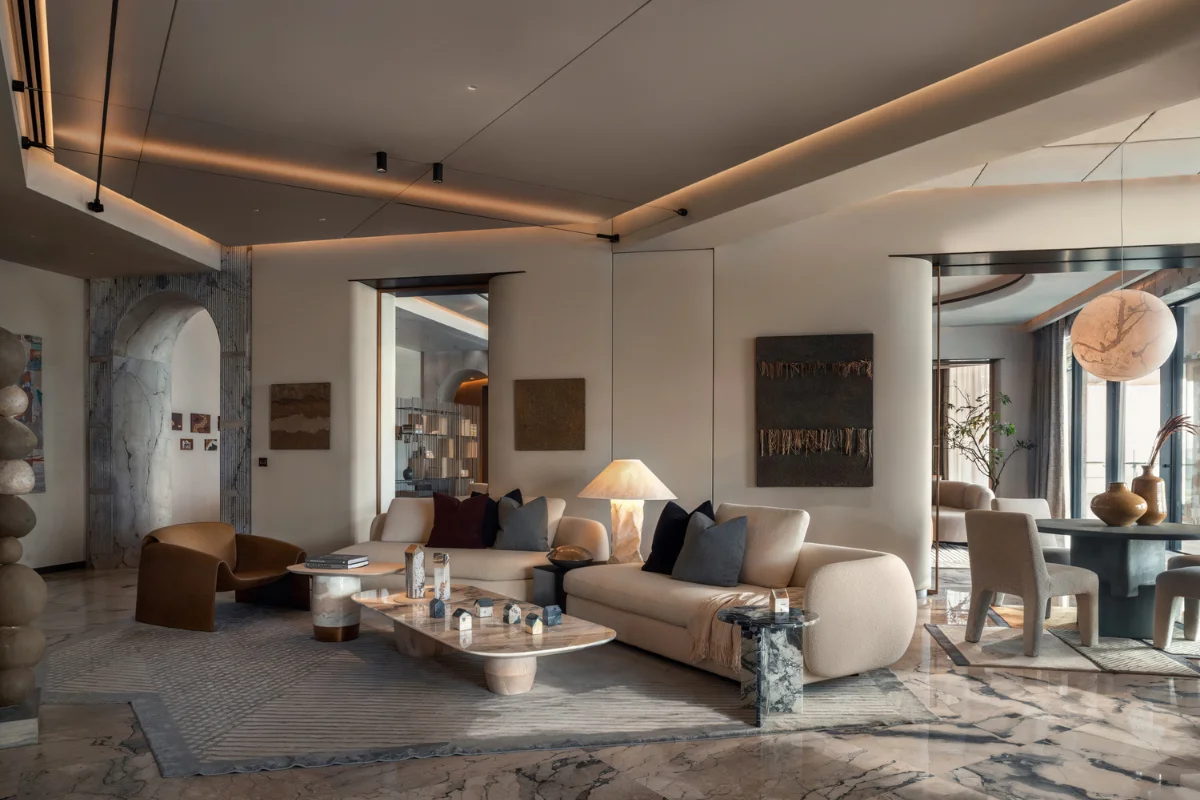
Walk into a beautifully designed room and switch off every light, and you’ll notice something interesting, the furniture, the art, and the finishes haven’t changed, but the room suddenly feels flat and unfinished.

August 12, 2026

Design years rarely arrive with a sudden fanfare or a dramatic shift in aesthetics; instead, they settle in through a gentle transition in temperament, focusing on how a room feels along with how it appears on Instagram.
April 11, 2026

Luxury interior design trends shaping 2026, from refined residences to elevated workplaces, through the evolving design language of Talati and Partners.
best luxury interior designers, architects, Talati & Partners, Luxury residential interior designers, Famous architects in India, best Indian architects, top interior design firms, best luxury interior designers, top interior design firms in india, India’s best apartment interior designer, Award winning interior designer, luxury residence interior designers, top 10 residential interior designers in mumbai, best residential interior design firms, best interior designers worldwide, architects firm in india, best indian architects, best indian residential architects, top 10 indian architects, Duplex house architects, India's leading award winning architects, International architects, Talati and partners, best architects firm in india
Know us better
Stay In Touch
Subscribe & Follow

© 2023, Talati & Partners LLP

error: