Talati & Partners

top

Interior Lighting Design: Types, Techniques and Applications

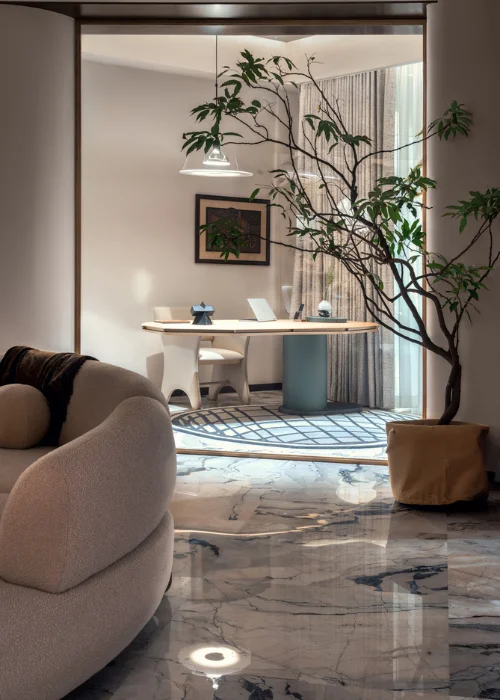
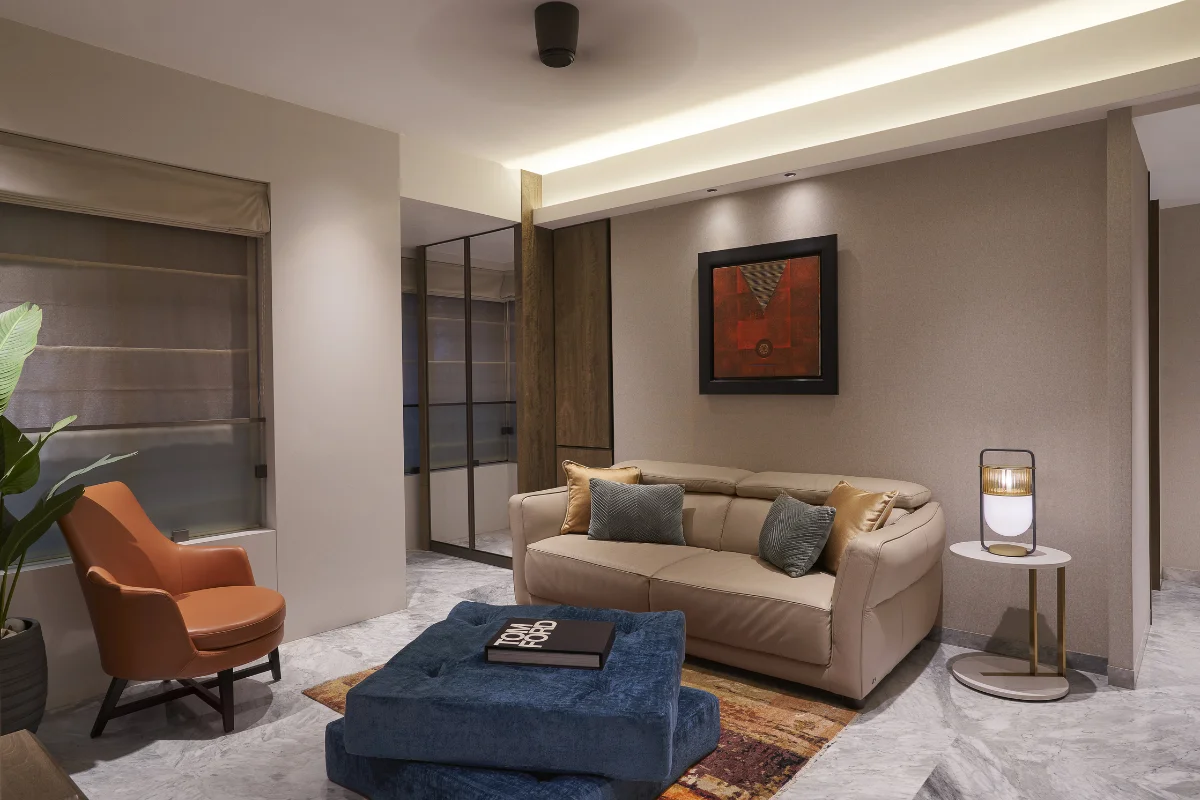
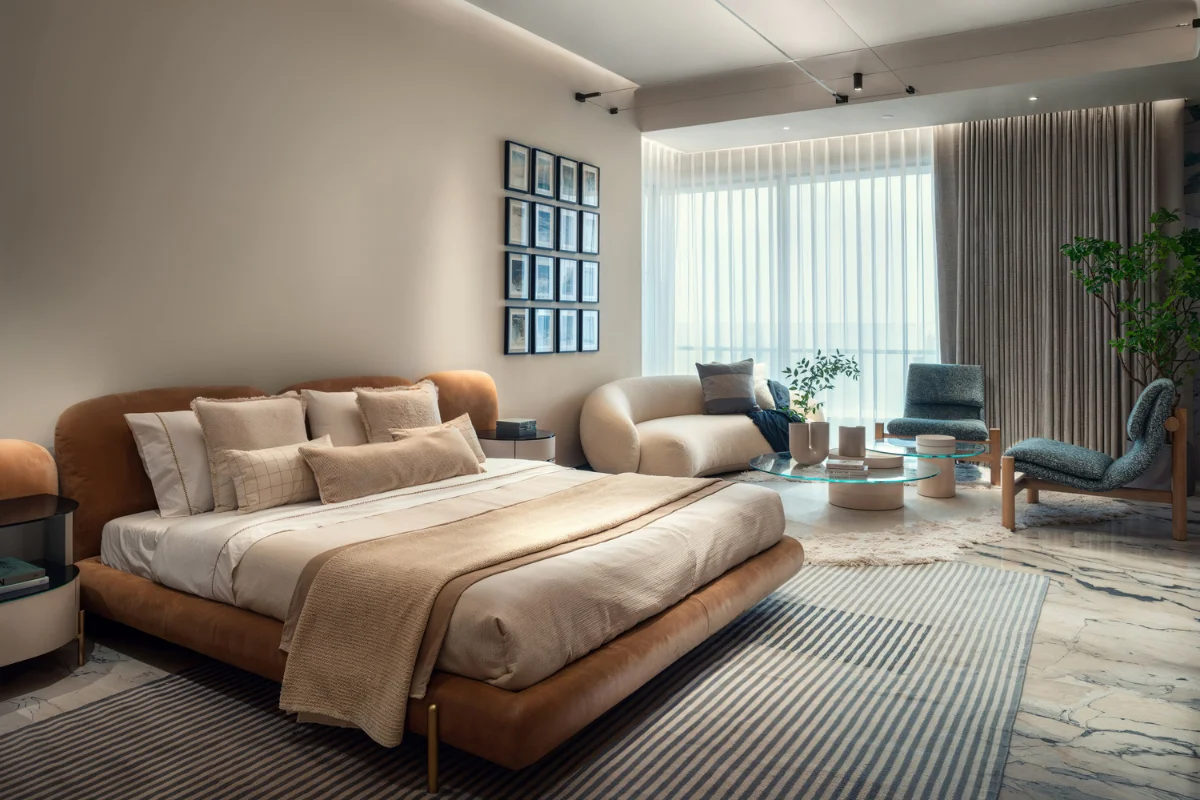
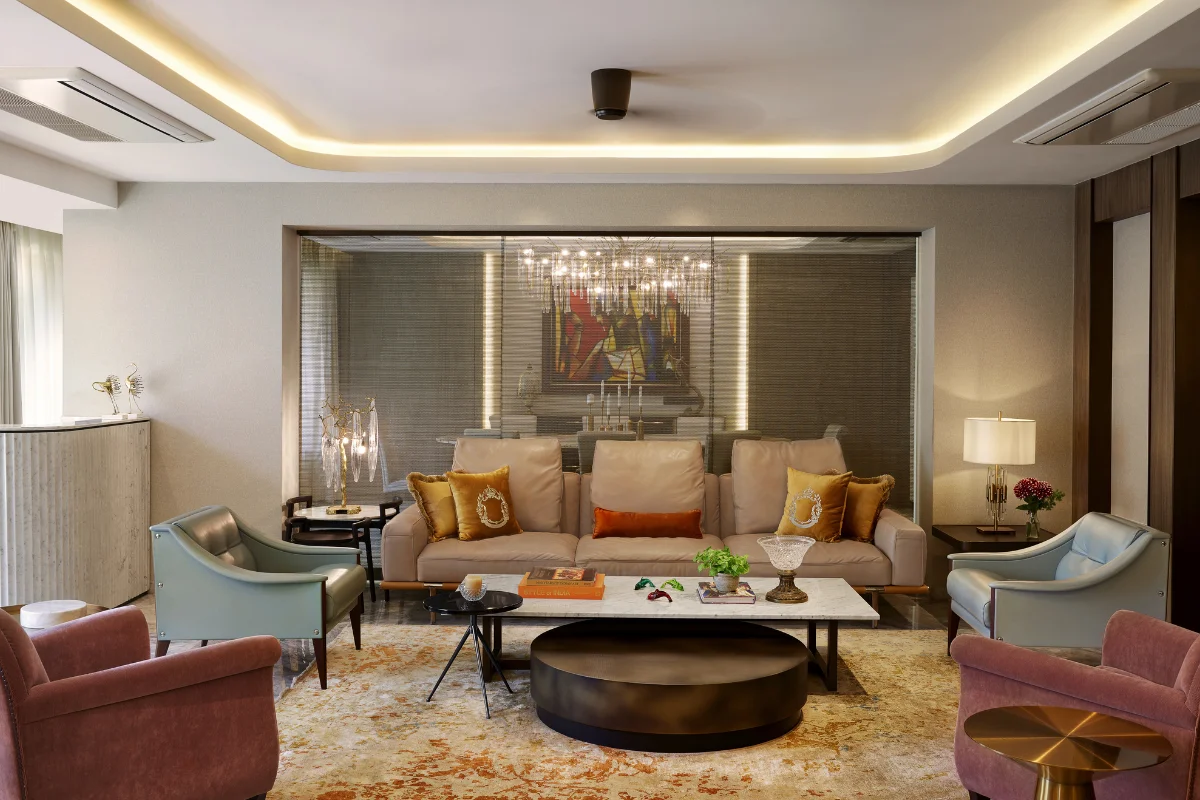
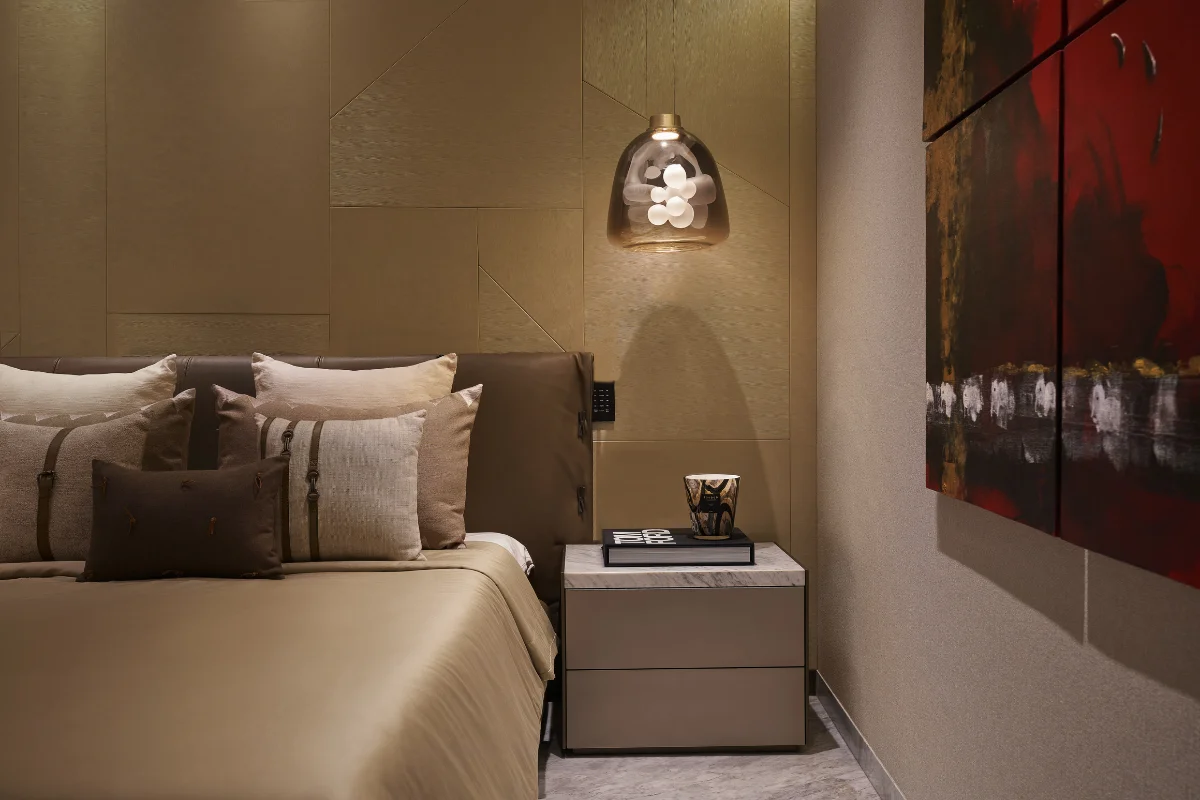
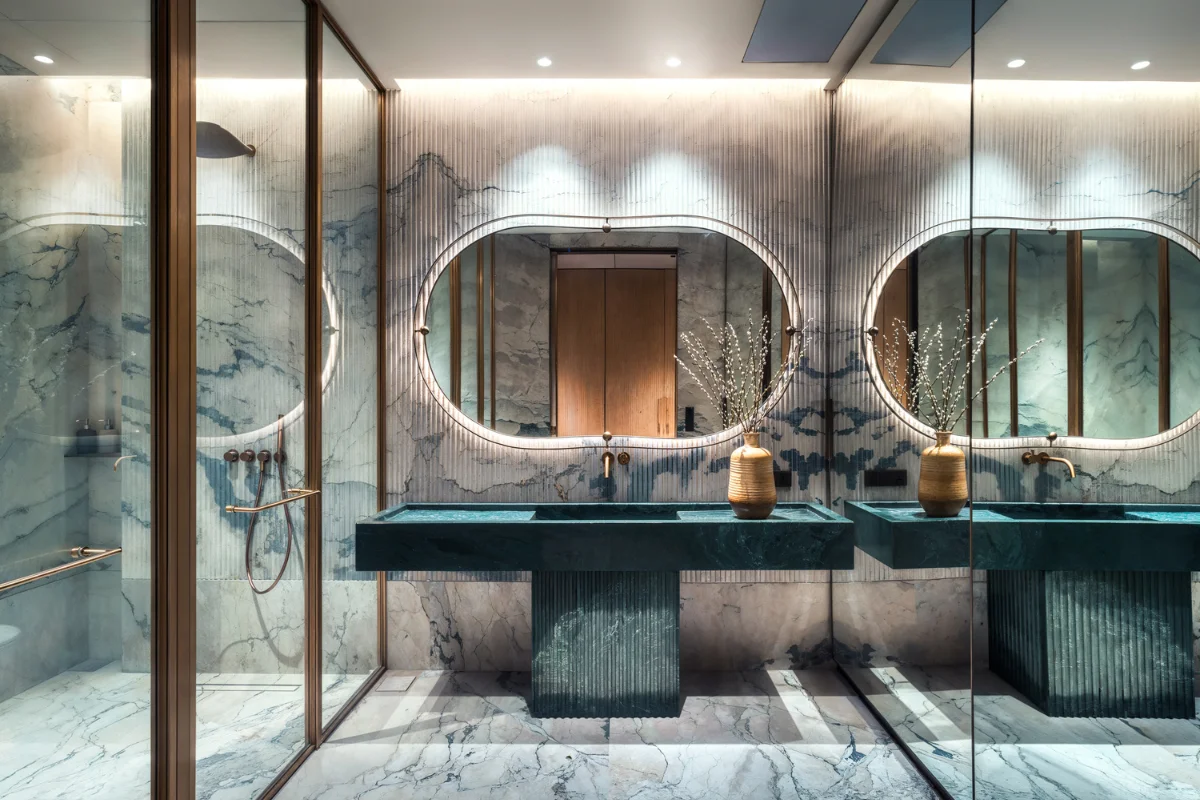
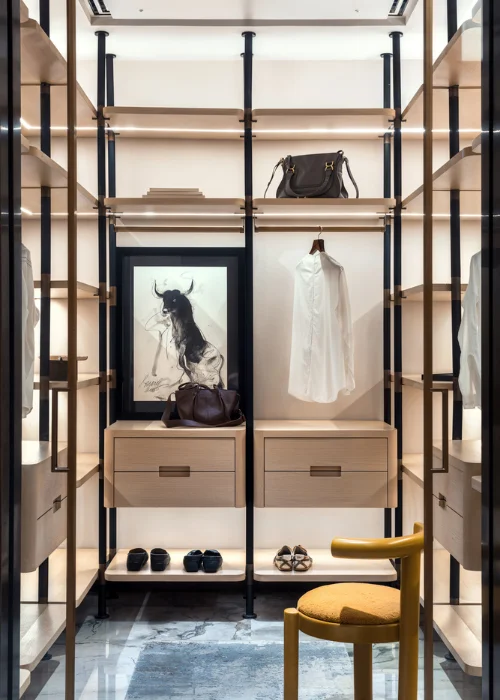
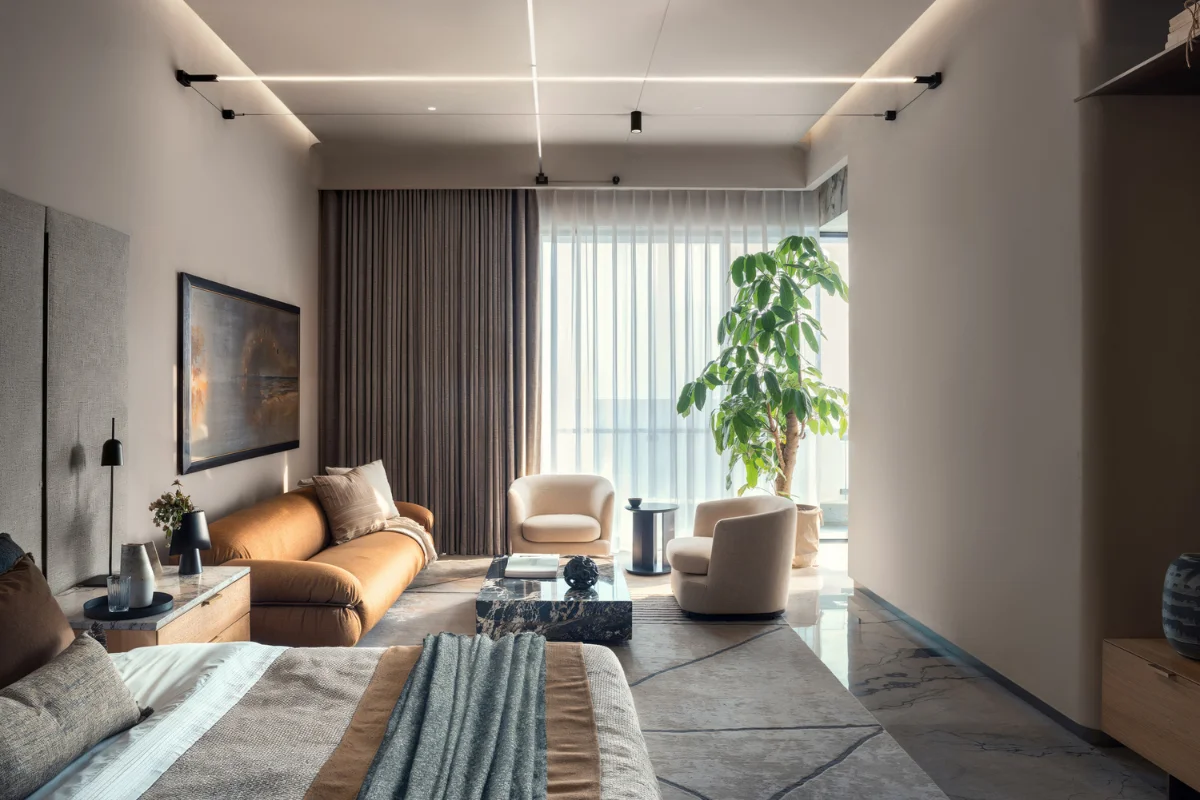
Lighting is an essential part of interior design because it influences the functionality, atmosphere, visual comfort, and character of a space. A well-planned interior lighting design combines multiple sources instead of depending on a single fixture. The right combination of ambient, task, accent, decorative, and architectural lighting can create interiors that are both practical and visually refined. The main types of lighting in interior design include ambient lighting, task lighting, accent lighting, decorative lighting, natural lighting, cove lighting, wall-wash lighting, wall-grazing lighting, pendant lighting, wall sconces, and layered mood lighting. Ambient lighting provides general illumination throughout a room and creates the foundation for the overall lighting scheme. Recessed lights, ceiling fixtures, and other evenly distributed sources can provide comfortable illumination for everyday activities. Task lighting provides focused illumination for specific activities such as reading, cooking, working, dressing, or studying. Under-cabinet lights, desk lamps, bedside lighting, and pendant lights can improve visibility while supporting the function of individual areas. Accent lighting is used to draw attention to architectural features, artwork, sculptures, textured walls, furniture, or decorative elements. By creating contrast between highlighted areas and surrounding surfaces, accent lighting can add depth and visual interest to an interior. Decorative lighting combines illumination with aesthetics. Chandeliers, sculptural fixtures, artistic pendants, and statement lighting can act as design elements that contribute to the identity and character of a room. Natural lighting is one of the most important elements of residential interior design. Daylight can influence the appearance of materials, colours, textures, and spatial proportions while creating a stronger connection between interiors and the outdoors. Cove and architectural lighting uses concealed light sources within ceilings, recesses, niches, and architectural details. This technique creates a soft, indirect glow while emphasising the architectural volume and geometry of a space. Wall-wash and wall-grazing lighting can enhance surfaces and materials. Wall washing creates relatively even illumination across a surface, while wall grazing uses a closer and more directional light position to emphasise textures, patterns, stone, finishes, and architectural details. Pendant lighting is commonly used above dining tables, kitchen islands, counters, study areas, and entry spaces. Besides providing focused illumination, pendant fixtures can become an important visual element within the interior. Wall sconces provide illumination closer to eye level and can create a softer atmosphere than overhead lighting. They are particularly useful in bedrooms, corridors, staircases, bathrooms, and other areas where subtle illumination is desirable. Layered lighting combines different lighting sources to create flexibility and atmosphere throughout the day. A successful layered lighting plan may combine ambient, task, accent, decorative, and natural light, with dimmers or separate controls allowing the mood and intensity of a room to change according to its use.

Importance of Layered Lighting in Interior Design

The best interior lighting schemes are designed around how a space will be used. Rather than treating lighting fixtures as decorative additions, interior designers consider illumination as part of the architecture and spatial experience. Layered lighting helps define zones, highlight materials, improve functionality, create focal points, and establish different moods within the same room. For luxury residential interiors, lighting design can work together with architecture, furniture, materials, artwork, and landscape views to create a cohesive environment. The result is a space that remains functional during the day while becoming warm, atmospheric, and visually sophisticated in the evening.

Modern Lighting Design for Homes

Modern home lighting increasingly focuses on flexibility, comfort, energy efficiency, architectural integration, and visual quality. Recessed fixtures, concealed LED lighting, decorative pendants, wall sconces, accent lights, natural daylight, and smart dimming systems can be combined to create adaptable lighting scenes for living rooms, bedrooms, dining areas, kitchens, home offices, corridors, and other residential spaces. A thoughtful lighting plan does more than illuminate a room. It helps define the way people experience space, enhances architectural details, brings materials to life, and creates a balanced relationship between functionality and aesthetics.

10 Different Types of Lighting in Interior Design for a Luxury Appearance

Types of lighting in interior design including ambient, task and accent lighting
Walk into a beautifully designed room and switch off every light, and you’ll notice something interesting, the furniture, the art, and the finishes haven’t changed, but the room suddenly feels flat and unfinished. That’s because lighting isn’t a finishing touch in interior design; it’s structural. It shapes how a space is read, how materials come alive, and how a home feels at different hours of the day. Understanding the different types of lighting in interior design and how they work together rather than in isolation is often what separates an ordinary room from one that feels effortlessly luxurious.
Good lighting design rarely relies on a single source. It’s the layering of several types of interior lighting, each doing a distinct job, that gives a space its depth and atmosphere. Here’s a closer look at the ten types every well-designed home should consider, and how they come together in practice.

1. Ambient lighting: the foundation of every room

Types of lighting in interior design including ambient, task and accent lighting
Ambient lighting is the general, even illumination that fills a room think recessed ceiling lights or a central fixture. It’s the base layer that every other type of lighting builds on. Without a well-calibrated ambient layer, even the most beautiful accent pieces can feel disjointed. Getting this base right is usually the first step in any conversation about the different types of lighting in interior design.

2. Task lighting: light with a purpose

Types of lighting in interior design including ambient, task and accent lighting
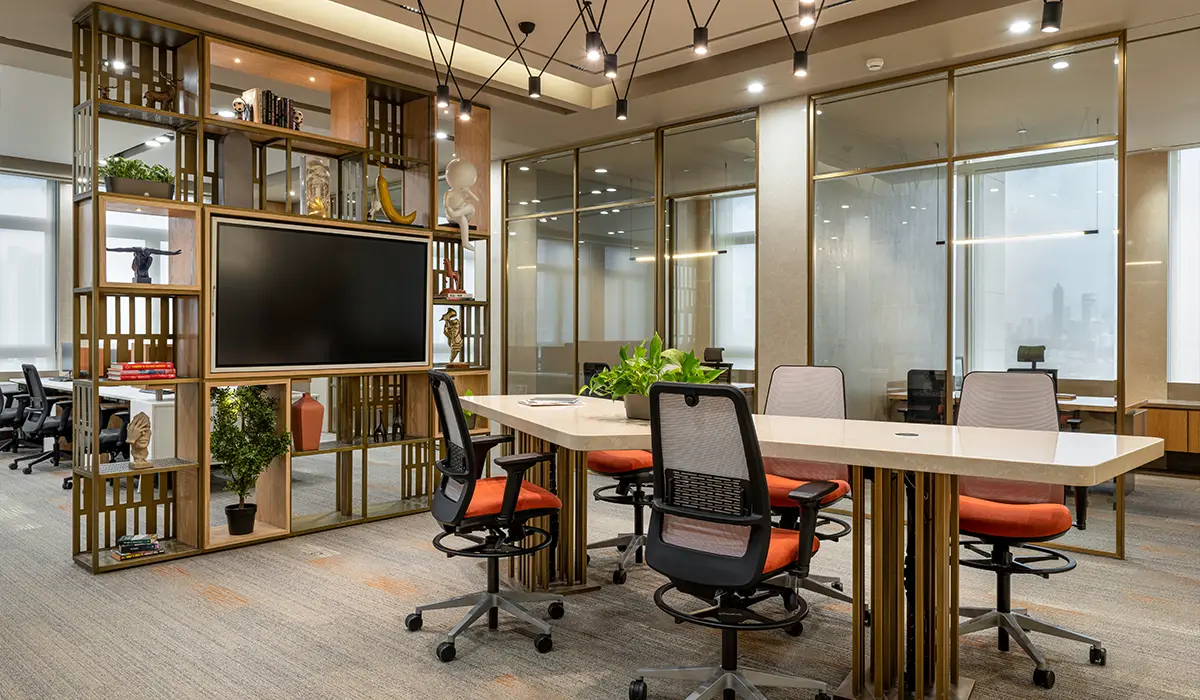
Task lighting is functional by design under-cabinet lights in a kitchen, a reading lamp beside a bed, or pendant lights over a study desk. It’s concentrated, directional, and meant to support a specific activity rather than fill the whole room. In luxury homes, task lighting is often the most overlooked layer, yet it’s what makes a beautifully designed kitchen or home office genuinely usable.
Types of lighting in interior design including ambient, task and accent lighting

3. Accent lighting: creating focal points

Types of lighting in interior design including ambient, task and accent lighting
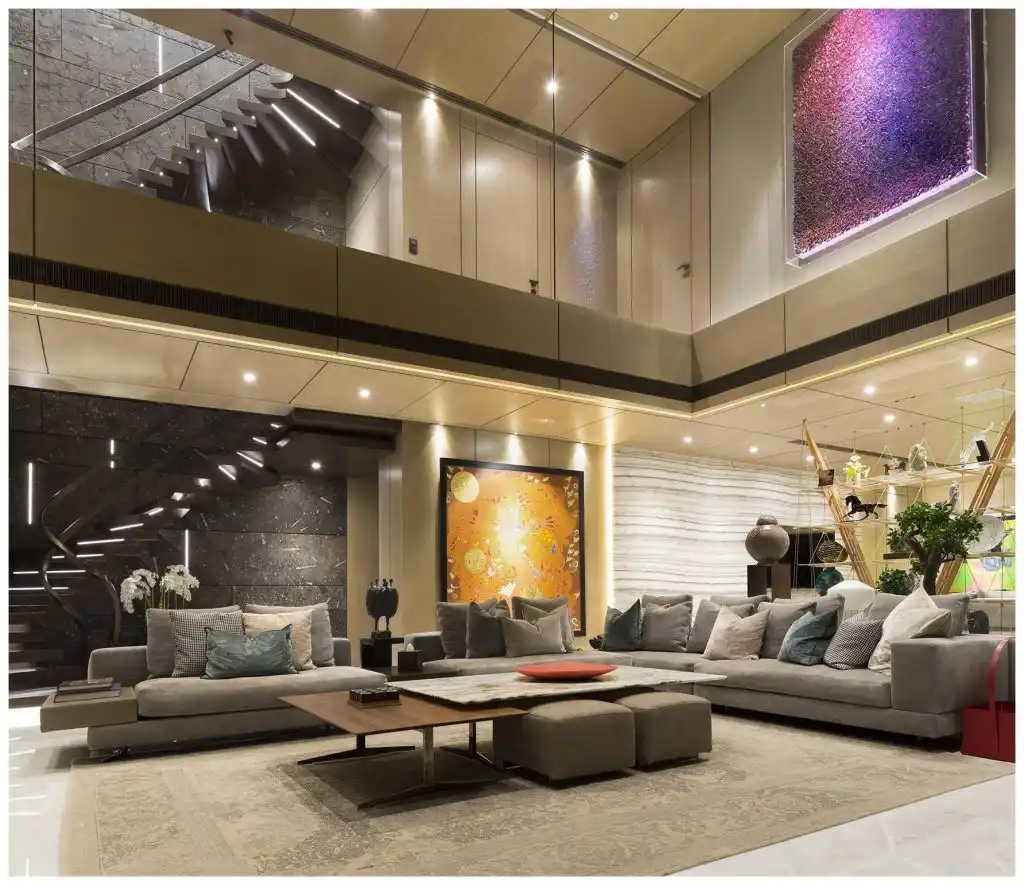
Accent lighting draws the eye toward something worth noticing, a piece of art, a textured wall, a sculptural staircase. It typically uses about three times the intensity of ambient light to create contrast and drama. This is where a designer’s instinct really shows, deciding what a room should quietly celebrate.

4. Decorative and statement light fixtures

Types of lighting in interior design including ambient, task and accent lighting
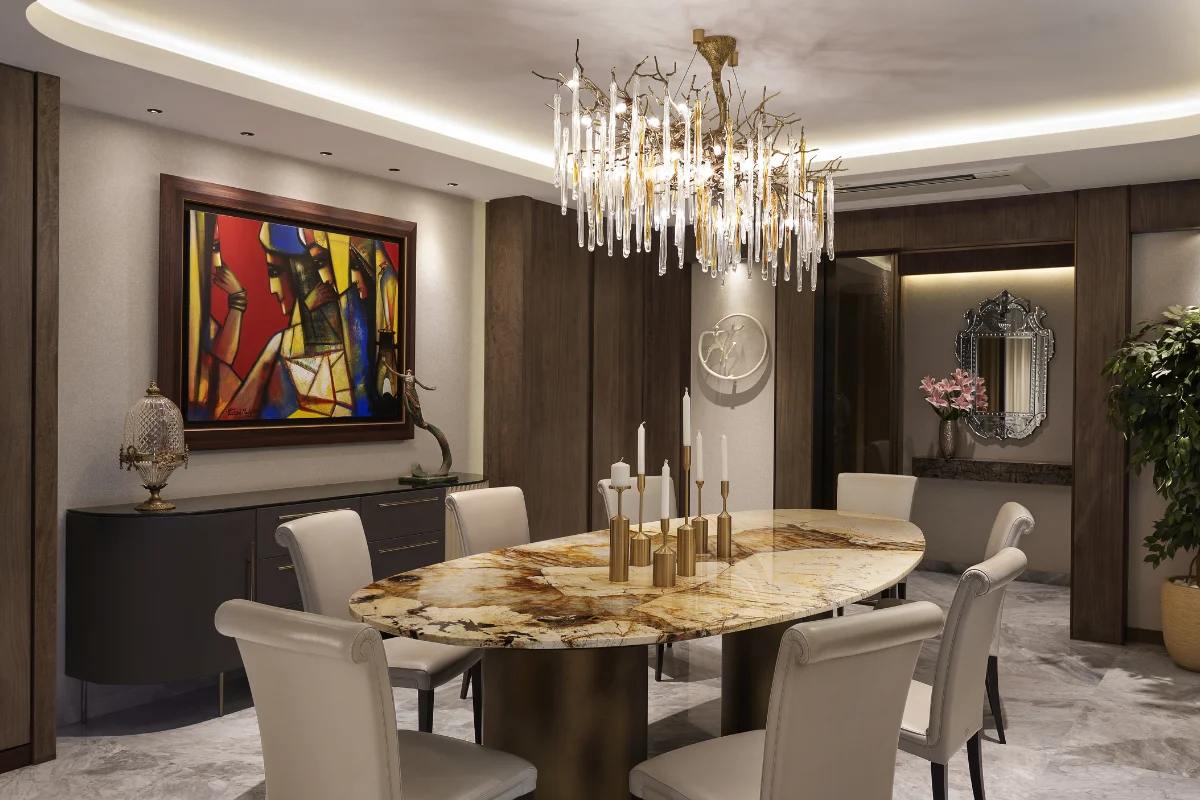
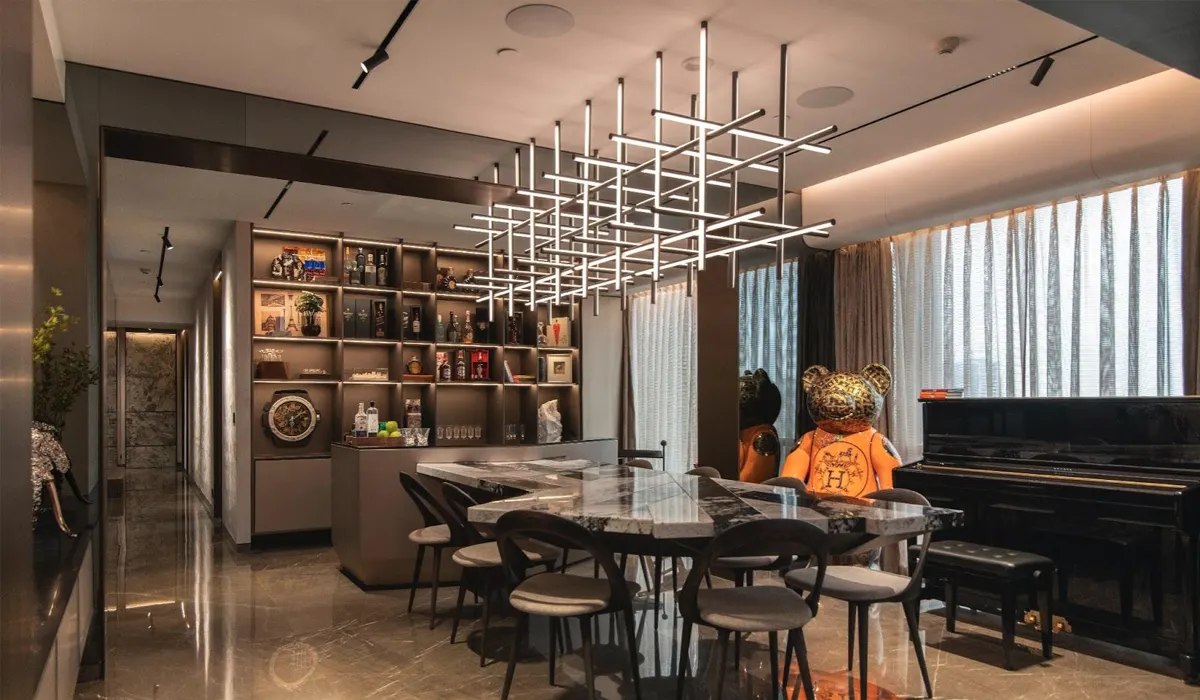
Sometimes, the fixture itself becomes the story. Statement light fixtures, a sculptural chandelier, an artisanal pendant cluster, function as jewellery for a room, anchoring the design language of the entire space. In the Ashford Palazzo, a luxury residence designed by Talati & Partners, fixtures are chosen with the same intent as furniture each one considered for scale, material, and the way it interacts with the room’s proportions rather than added as an afterthought.

5. Natural light: the most valuable source of all

Types of lighting in interior design including ambient, task and accent lighting
No conversation on lighting design is complete without acknowledging natural light in interior design. It’s free, it’s dynamic, and it changes the character of a room across the day in a way no artificial source can replicate. Good design begins by mapping how sunlight enters a home and orienting living spaces to make the most of it, before a single fixture is even selected.

6. Cove and architectural lighting

Types of lighting in interior design including ambient, task and accent lighting
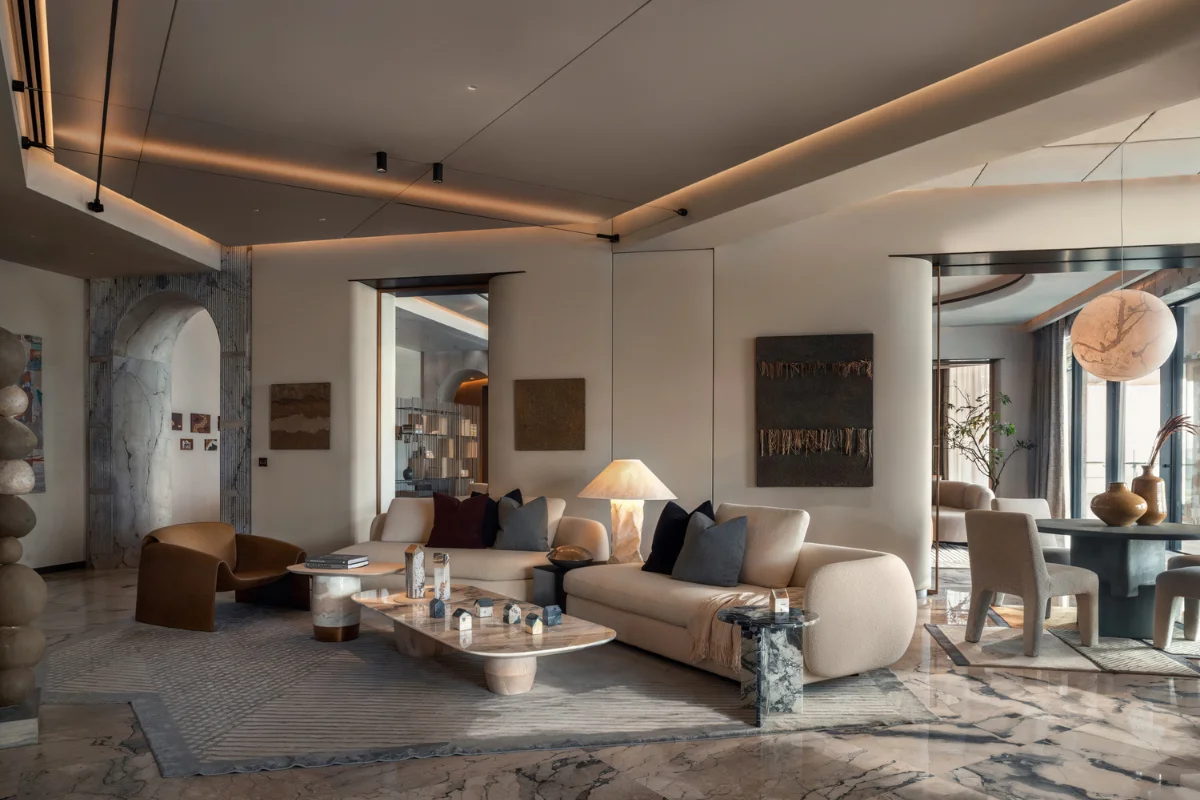
Cove lighting ideas, concealed strips set into ceiling recesses, niches, or coffered details, create a soft, glowing wash without a visible source. It’s one of the more architectural forms of lighting, used to define volume and add a quiet sense of drama to double-height spaces or ceiling details, without ever announcing itself.

7. Wall-wash and grazing lighting

Types of lighting in interior design including ambient, task and accent lighting
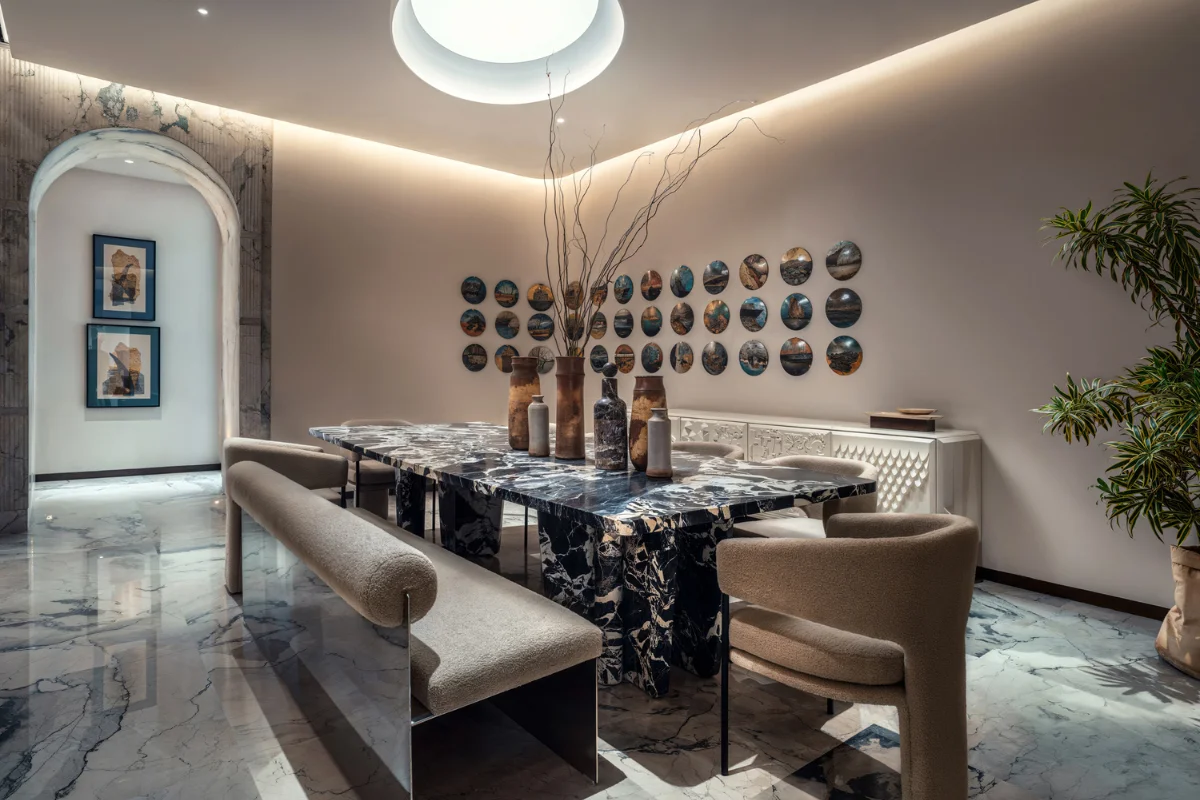
Wall washing bathes an entire surface evenly in light, ideal for showcasing a textured stone or a gallery wall. Wall grazing, on the other hand, is angled closer to the surface to exaggerate texture and shadow; a subtle but effective technique used to bring depth to material-driven interiors.

8. Pendant lighting

Suspended fixtures over dining tables, kitchen islands, or entry consoles do double duty, they provide focused task light while also acting as a design element in their own right. Pendant height and scale matter enormously here; even a beautiful fixture can throw off a room’s proportions if hung incorrectly.

9. Wall sconces

Sconces bring light closer to eye level, softening the harsher shadows that overhead lighting alone can create. They’re particularly effective in corridors, staircases, and bedrooms, where a gentler, more intimate quality of light is preferred over bright overhead illumination.

10. Mood and layered lighting

Types of lighting in interior design including ambient, task and accent lighting
This is less a single source and more a philosophy, the deliberate layering of the sources above, often on separate dimmable circuits, to shift a room’s character across the day. Mood lighting for home interiors is what allows a living room to feel bright and functional in the morning and warm and intimate by evening. The Aangan Allegory project is a good example of this layered approach in action, ambient, accent, and decorative lighting are calibrated together rather than treated as separate decisions, so the living spaces feel composed at every hour rather than lit for a single moment.
Types of lighting in interior design including ambient, task and accent lighting

Why layering matters more than any single fixture

The real skill in lighting design for a living room, bedroom, or any other space isn’t picking a beautiful chandelier;  it’s understanding how ambient vs task vs accent lighting work together to support how a room is actually used. A layered lighting design approach means every corner of a home has a purpose and a mood, rather than a single switch dictating the entire atmosphere.
At Parisian Style Apartment, this thinking is evident in how light is used to enhance the apartment’s material palette, soft ambient washes bring out the warmth of timber and stone, while accent lighting is reserved for the details worth lingering on, from ornate mouldings to curated art pieces.
Ultimately, the different types of lighting in interior design aren’t a checklist to tick off ,  they’re a toolkit. Used thoughtfully, together, they’re what allows a home to feel considered at 8 a.m. and quietly luxurious by 8 p.m., without a single piece of furniture having moved.
Frequently Asked Questions

  • Ambient, task, accent, and decorative lighting are generally considered the four core types, each serving a distinct functional and aesthetic purpose.

  • Ambient lighting provides even, general illumination for a whole room, while accent lighting is focused and directional, used to highlight a specific object or feature.

  • Most designers recommend at least three layers, ambient, task, and accent, on separate switches or dimmers for flexibility.

  • A layered mix of natural light, ambient fixtures, and warm-toned artificial lighting (around 2700K-3000K) is generally considered the most flattering and livable for homes.

  • It's typically referred to as "layered" or "scene" lighting, achieved through dimmable circuits that combine multiple lighting types.

Blogs you may like..
Are you ready to step into the world of interior design and immerse yourself in the latest trends and styles? Welcome to the exciting realm of blogs at TPA, where creativity meets functionality and inspiration abounds.

Aug 29, 2023

As per Harvard Business Review, employees’ content with their physical working space has proven to be 16% more productive, 30% more attracted to the company, and 18% more likely to stay.

November 26, 2022

The interior design trends for 2022 are all about modern interpretations of luxury while staying focused on comfort with attention to detail.

November 14, 2023

When it comes to interiors, lighting design plays a vital role in shaping the aesthetics. While every minute detail is significant in a space, interior lighting design is the ultimate show-stopper, lighting up the luxury!
best luxury interior designers, architects, Talati & Partners, Luxury residential interior designers, Famous architects in India, best Indian architects, top interior design firms, best luxury interior designers, top interior design firms in india, India’s best apartment interior designer, Award winning interior designer, luxury residence interior designers, top 10 residential interior designers in mumbai, best residential interior design firms, best interior designers worldwide, architects firm in india, best indian architects, best indian residential architects, top 10 indian architects, Duplex house architects, India's leading award winning architects, International architects, Talati and partners, best architects firm in india
Know us better
Stay In Touch
Subscribe & Follow

© 2023, Talati & Partners LLP

error: