Talati & Partners

top

Designing Better Cities With High-Rise Architecture

Designing Better Cities With High-Rise Architecture is about creating urban spaces that balance functionality, sustainability, and human connection. As cities continue to grow vertically, architects and planners are reimagining how high-rise buildings can improve the quality of urban living while addressing challenges such as density, privacy, natural light, and community interaction. Modern high-rise architecture goes beyond simply maximizing space. Thoughtfully designed residential and mixed-use towers can foster vibrant communities by integrating shared amenities, green terraces, social spaces, and pedestrian-friendly environments. By carefully planning layouts, ventilation, and access to daylight, architects can create healthier and more comfortable living experiences for residents. Talati and Partners approach Designing Better Cities With High-Rise Architecture through innovative design strategies that prioritize both aesthetics and practicality. Their projects emphasize sustainable materials, efficient space utilization, and urban connectivity, helping cities evolve into more livable and future-ready environments. High-rise developments also play a significant role in reducing urban sprawl by accommodating growing populations within compact city zones. When designed responsibly, these structures contribute to smarter infrastructure, improved mobility, and a stronger sense of community. Through visionary architecture and thoughtful urban planning, high-rise buildings can shape cities that are dynamic, inclusive, and sustainable for generations to come.

Designing Better Cities: How High-Rise Architecture Can Still Feel Human
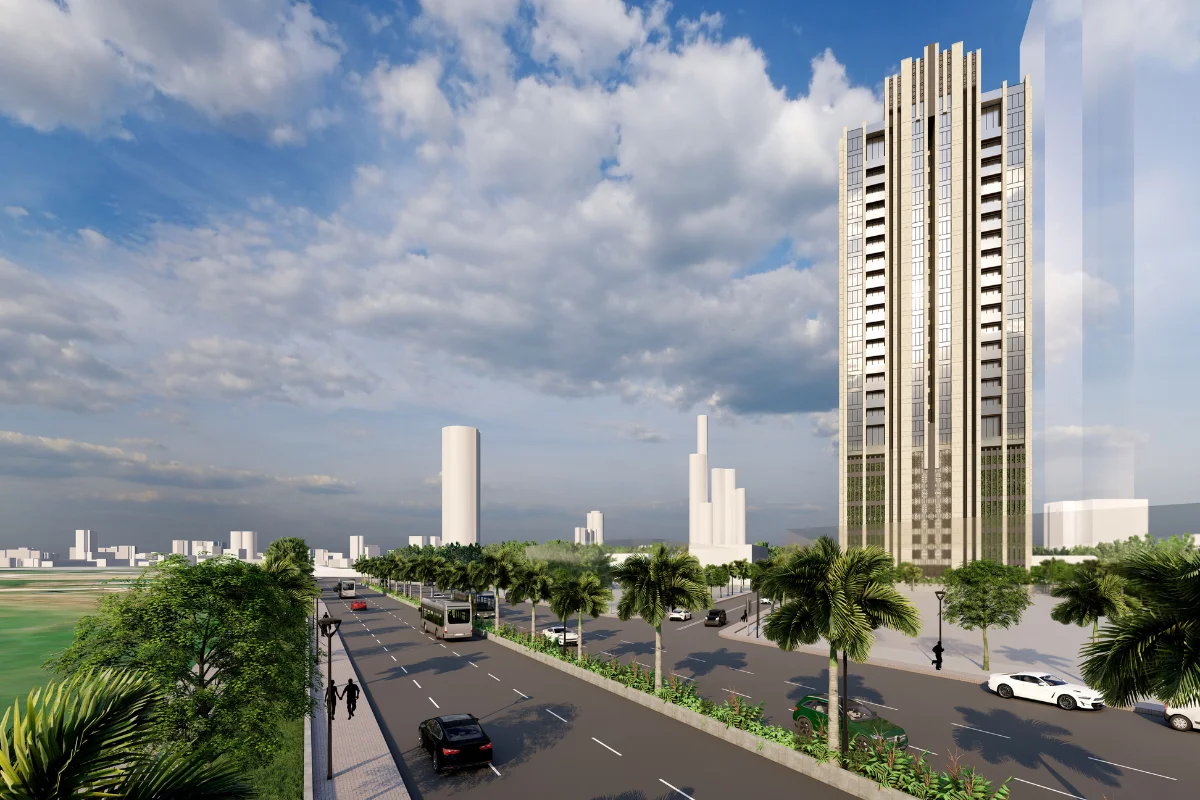
Designing Better Cities With High-Rise Architecture, High-Rise Building, Modern Cities, Talati and Partners, Building Architecture
Picture Courtesy- Talati and Partners
Metropolis no longer emerges as static silhouettes against a horizon but as intricate, breathing environments defined by the rhythm of movement and the quietude of a pause. As the skyline of Mumbai reaches new heights, the architectural conversation has moved past the mere conquest of altitude to focus on how life truly flourishes within these soaring volumes. Vertical living has undergone a sophisticated evolution, transitioning from isolated domestic boxes to vibrant, vertical communities that nurture social exchange and the intimacy of daily ritual.
High-rise architecture now demands a delicate mastery of scale, ensuring that every resident feels anchored within a protected sanctuary while remaining tethered to the pulse of the city below. Through residential, commercial, and mixed use projects, Talati and Partners approach vertical architecture as a framework for living rather than a symbol of scale. The challenge lies in shaping buildings that remain attentive to people, even as they rise above the city.

Vertical living with spatial generosity
Designing Better Cities With High-Rise Architecture, High-Rise Building, Modern Cities, Talati and Partners, Building Architecture
Picture Courtesy- Talati and Partners
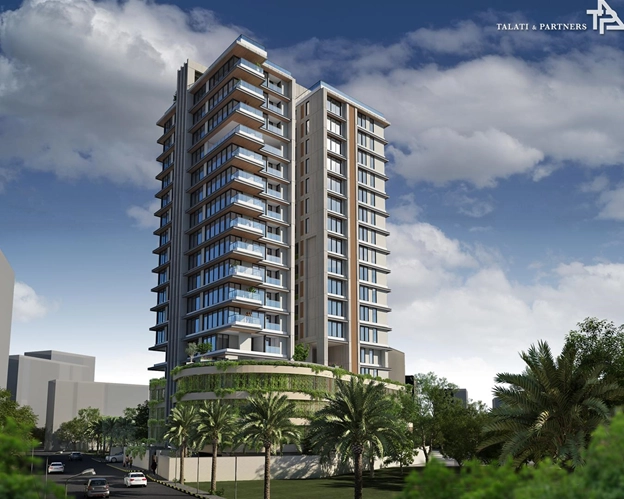
High-rise housing frequently struggles with the fatigue of clinical repetition and the feeling of internal constraint. At Ceejay Residency, the architectural approach prioritises openness and clarity within a tall residential format to ensure a liberated lifestyle. The building mass undergoes a precise articulation to allow natural light and fresh air to reach every living space, proving that density does not have to translate into spatial compression. Within this luxury tower, the core concept revolves around a column free floor plate that promotes maximum flexibility. Residential planning and circulation are treated as integral components of daily comfort.

Terraces as breathing spaces in dense cities

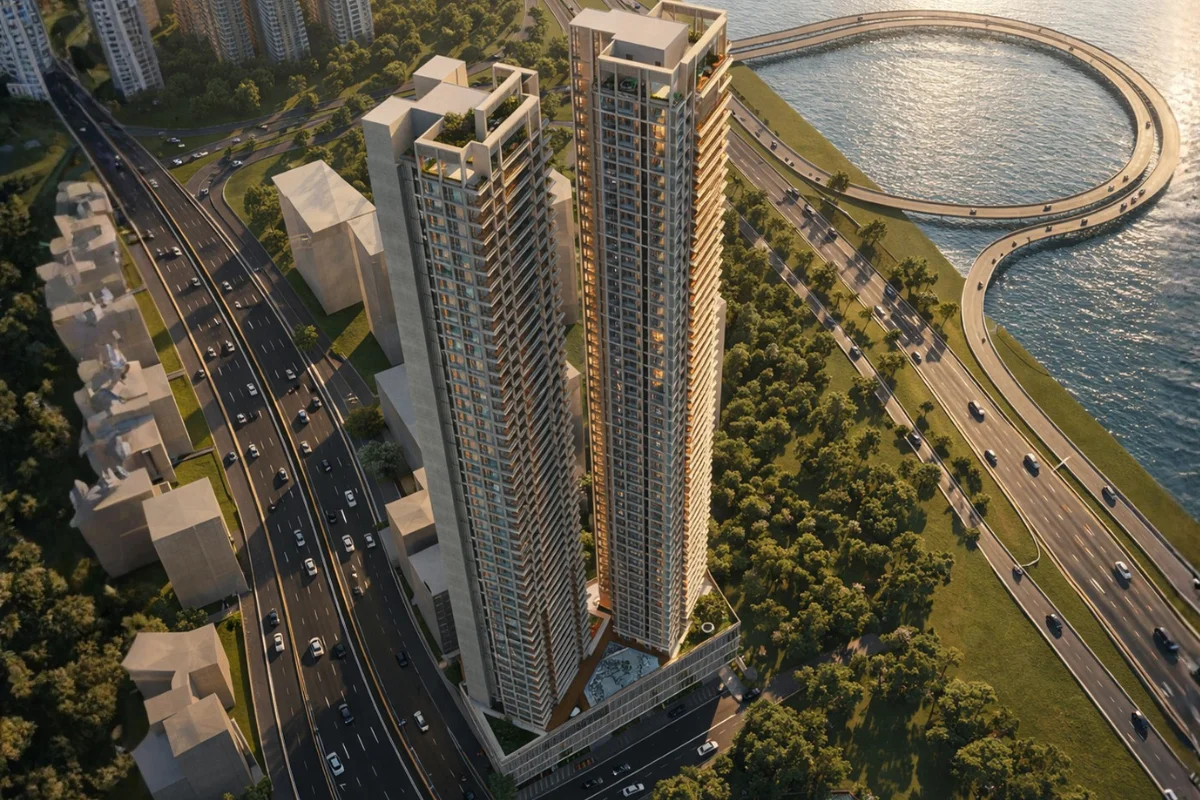
Outdoor access becomes increasingly valuable as buildings grow taller within the urban grid. In projects such as Ashford Royale, terraces sit integrated as part of the architectural mass rather than functioning as appended elements. These outdoor zones act as intentional pauses within the vertical journey, offering residents moments of openness and relief from enclosure. By distributing expansive decks across levels, the building avoids concentrating social activity in a single zone. This arrangement allows for varied patterns of use while reinforcing a sense of layered community within the 38 storey towers.

Managing scale through light and orientation
Designing Better Cities With High-Rise Architecture, High-Rise Building, Modern Cities, Talati and Partners, Building Architecture
Picture Courtesy- Talati and Partners
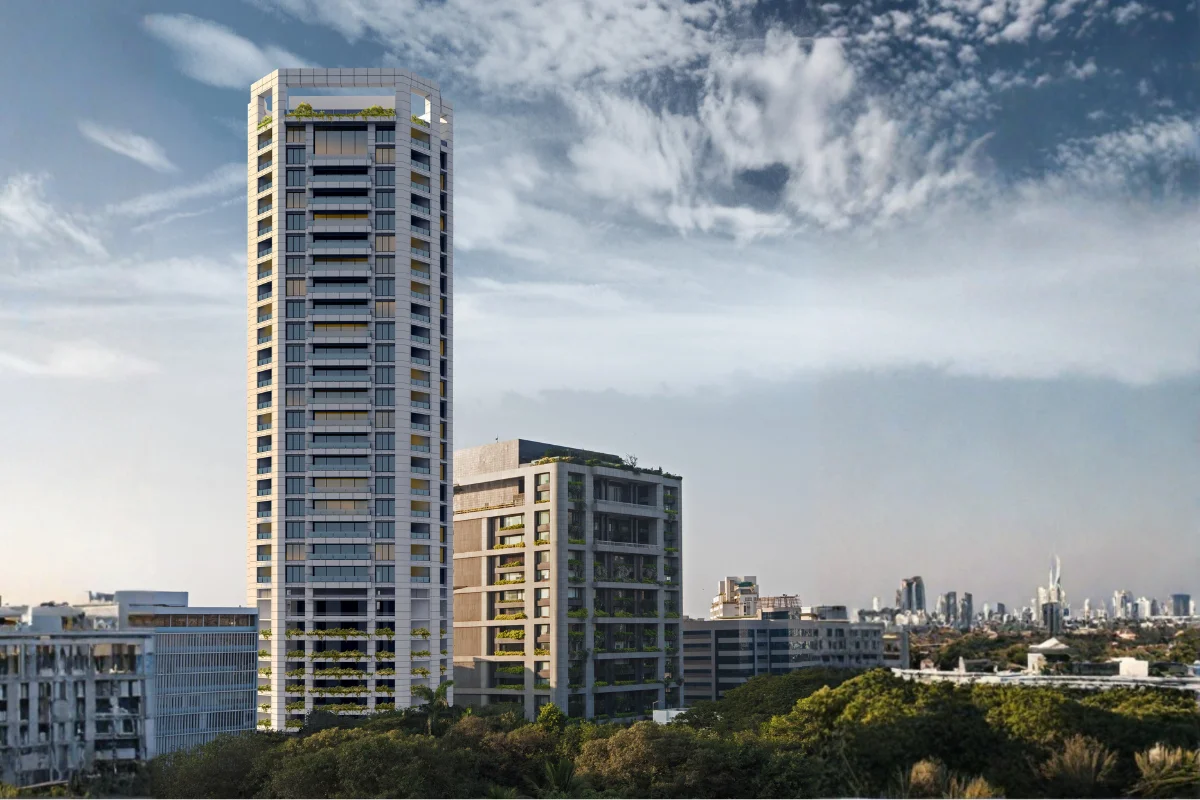
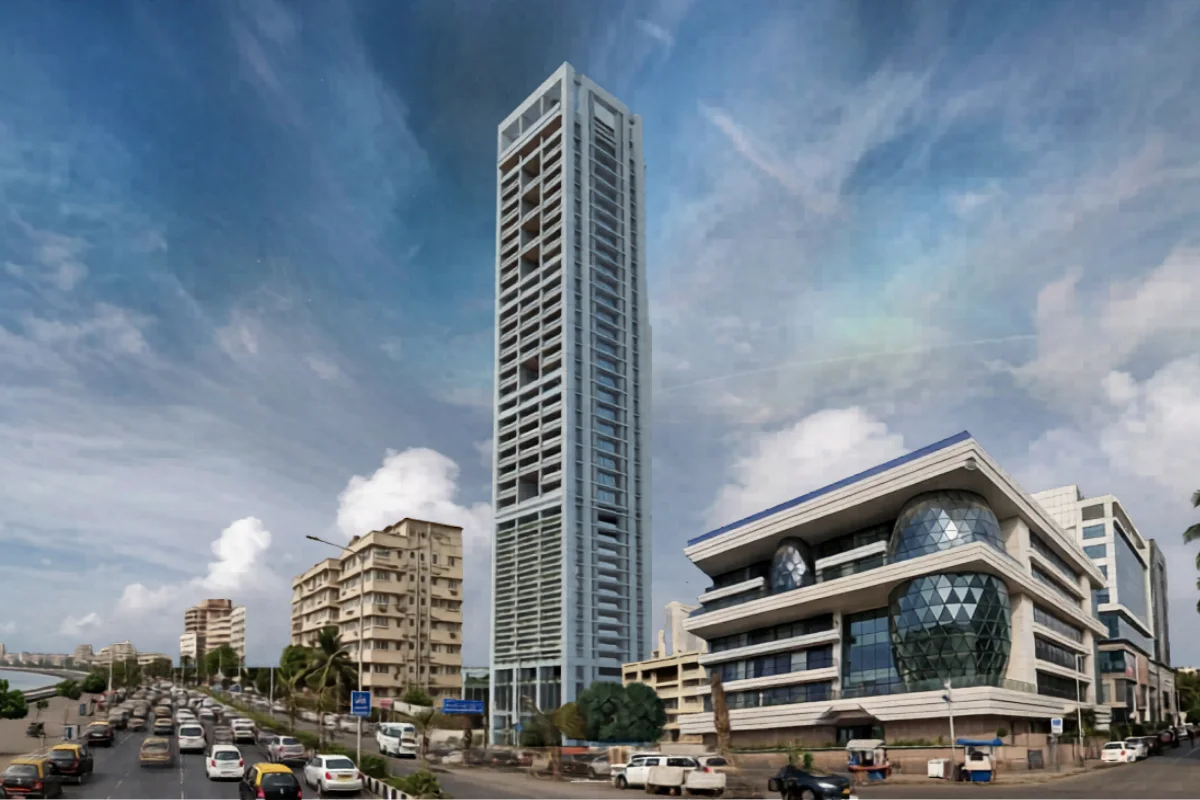
Natural light plays a critical role in human centres high-rise design within the dense Mumbai landscape. At Naman Xana, the architectural strategy prioritises openness and orientation to ensure that residences receive ample daylight while maintaining absolute privacy. The massing and facade articulation support this balance, allowing light to enter living spaces without exposing the interiors unnecessarily to the neighbouring structures. This careful calibration helps mitigate the psychological effects often associated with dense vertical environments. Height feels expansive rather than restrictive when the design captures the horizon and the movement of the sun throughout the day.

Privacy without isolation

Designing Better Cities With High-Rise Architecture, High-Rise Building, Modern Cities, Talati and Partners, Building Architecture
Picture Courtesy- Talati and Partners
One of the central challenges of vertical communities lies in balancing social interaction with a sense of retreat. Luxury residences and service apartments project by Talati and Partners demonstrates how meticulous planning can support this equilibrium within a dense metropolis. Clear zoning within residential floors allows private spaces to remain insulated from shared circulation while still maintaining a spatial connection to the larger building. Privacy functions as a fundamental design condition rather than an afterthought, ensuring residents can engage with the community on their own terms. This internal logic allows the home to serve as a calm sanctuary despite the massive scale of the tower.

Workplaces that contribute to urban life

High-rise office buildings also shape how communities function throughout the day. The CTS project reflects an approach where scale is moderated through thoughtful planning and facade articulation. Shared amenities and accessible circulation areas support movement and interaction, allowing the building to participate in the city rather than withdraw from it. By considering how people arrive, move, and gather, the architecture reinforces a sense of collective experience within a tall structure. This strategy prevents the workplace from becoming an insular environment, instead fostering a vibrant professional landscape that remains connected to the pulse of the street.

Building cities that feel lived in

Humane high-rise architecture emerges from attention to how people occupy space over time. Through terraces, shared amenities, careful light management, and disciplined planning, Talati and Partners shape vertical environments that support both community and privacy. These buildings recognise that cities are experienced from within through daily routines and fleeting encounters. As urban density continues to increase, the future of better cities will depend on architecture that allows vertical living to feel grounded, social, and deeply human. Prioritising the inhabitant over the silhouette transforms the skyscraper into a meaningful home that enriches the urban fabric for generations.
Blogs you may like..
Are you ready to step into the world of interior design and immerse yourself in the latest trends and styles? Welcome to the exciting realm of blogs at TPA, where creativity meets functionality and inspiration abounds.

December 03, 2024

The fascinating field of architectural engineering is a fusion of architectural creativity with engineering precision. It is the art of design and science of construction combined to procure specialised buildings that are safe and functional.
July 29, 2024

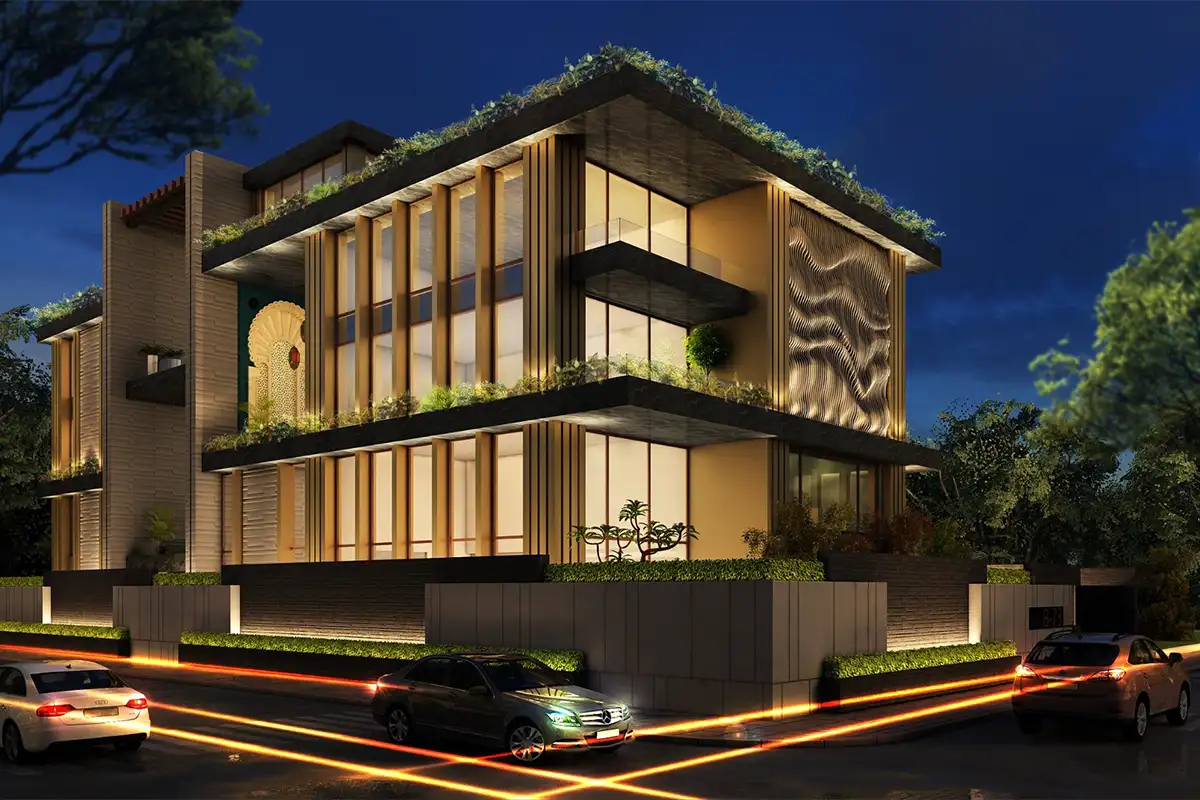
Architecture is more than building a home. It’s about planning built spaces—inside out. Architectural design is an exercise in designing spaces that wrap comfort around the users while experimenting with innovations in design and technology.
July 09, 2024

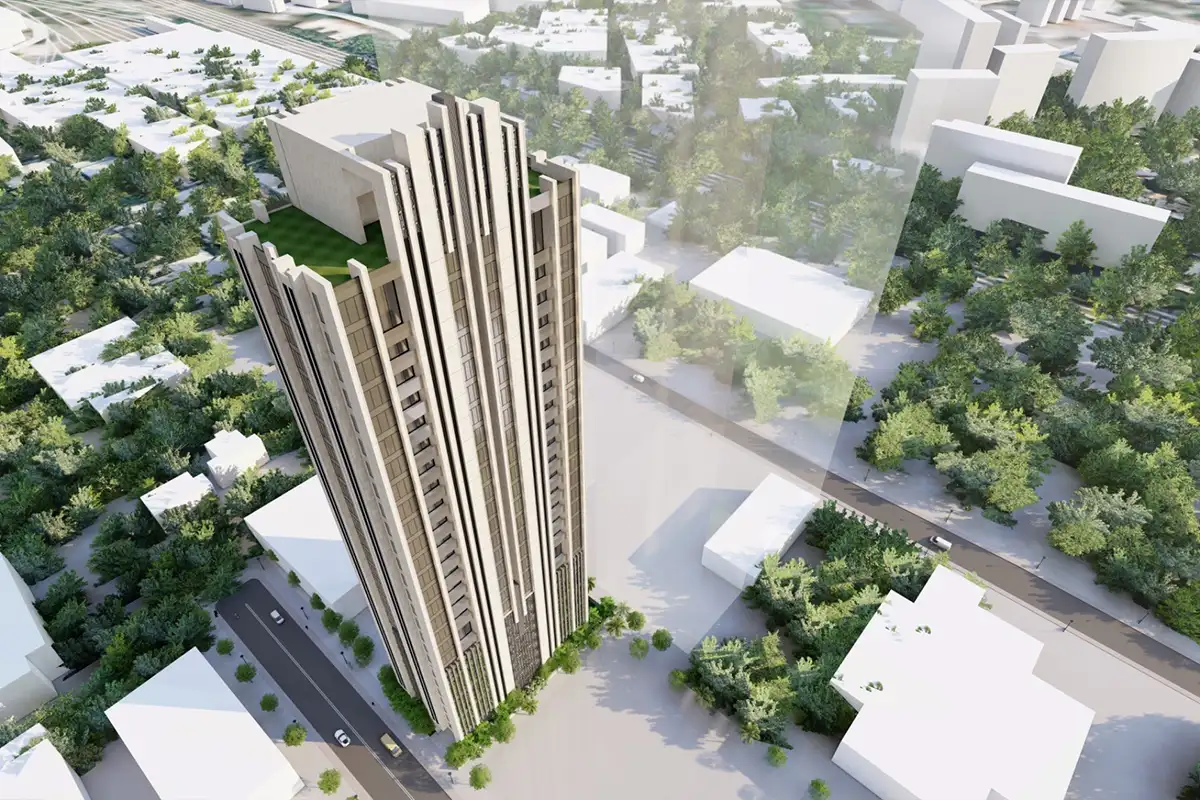
The UN reports predict that 68% of the world’s population will reside in urban areas by 2050. It’s no surprise that today, architecture is racing towards the sky.

best luxury interior designers, architects, Talati & Partners, Luxury residential interior designers, Famous architects in India, best Indian architects, top interior design firms, best luxury interior designers, top interior design firms in india, India’s best apartment interior designer, Award winning interior designer, luxury residence interior designers, top 10 residential interior designers in mumbai, best residential interior design firms, best interior designers worldwide, architects firm in india, best indian architects, best indian residential architects, top 10 indian architects, Duplex house architects, India's leading award winning architects, International architects, Talati and partners, best architects firm in india
Know us better
Stay In Touch
Subscribe & Follow

© 2023, Talati & Partners LLP

error: