Talati & Partners

top

What Is Contemporary Architecture?

What is contemporary architecture? Contemporary architecture refers to architecture designed for the present day, shaped by current technology, sustainability, cultural influences, materials, and modern lifestyles. Unlike modern architecture, which refers to a specific 20th-century movement, contemporary architecture continues to evolve with changing needs and design priorities. Key characteristics of contemporary architecture include clean and adaptable forms, open spaces, natural light, mixed materials, sustainable design, climate-responsive planning, and strong indoor-outdoor connections. Contemporary residential architecture also often incorporates courtyards, terraces, greenery, large openings, and locally appropriate materials to create comfortable and responsive homes. In simple terms, what is contemporary architecture can be answered as an evolving approach to design that responds to how people live today while balancing aesthetics, functionality, sustainability, and context.

What Defines Contemporary Architecture?

The characteristics of contemporary architecture extend beyond clean lines and modern-looking buildings. Contemporary design often focuses on sustainability, functional planning, contextual responsiveness, natural light, ventilation, material diversity, and flexible spaces. Architects may combine glass, concrete, timber, stone, metal, and other materials to create buildings with visual depth and a strong relationship with their surroundings.

Contemporary Architecture vs Modern Architecture

Contemporary and modern architecture are often used interchangeably, but they describe different concepts. Modern architecture refers to a specific architectural movement that developed during the early and mid-20th century. Contemporary architecture, in contrast, describes architecture of the present and is not restricted to one historical movement. A contemporary building may incorporate principles associated with modern architecture while also responding to current technologies, sustainability requirements, local climate, cultural influences, and changing patterns of living.

Sustainable Contemporary Architecture

Sustainability is increasingly fundamental to contemporary architectural design. Rather than being treated as an additional feature, environmental responsibility can influence the building from the earliest stages of planning. Orientation, natural ventilation, daylight, material selection, energy efficiency, landscape integration, and passive design strategies can all contribute to more sustainable architecture.

Indoor-Outdoor Connection in Contemporary Design

A strong connection between indoor and outdoor spaces is a common characteristic of contemporary residential architecture. Large windows, expansive glazing, terraces, balconies, courtyards, landscaped areas, and carefully planned openings can increase access to natural light, fresh air, and views. This approach creates a smoother transition between architecture and landscape while making residential spaces feel more open and connected to their surroundings.

Contemporary Residential Architecture in India

Contemporary residential architecture in India is shaped by the country’s diverse climates, urban conditions, cultural traditions, and evolving lifestyles. Contemporary homes may combine clean architectural forms with courtyards, deep overhangs, shaded spaces, natural materials, local stone, greenery, and climate-responsive planning. This creates a regional interpretation of contemporary architecture rather than simply reproducing international design trends.

Materials in Contemporary Architecture

Material selection plays an important role in contemporary architectural design. Combining contrasting materials such as glass, concrete, timber, stone, and metal can introduce texture, warmth, transparency, and visual balance. Material choices can also respond to local climate, durability, maintenance, sustainability, and the character of the site.
Contemporary Architecture and Functionality
Contemporary architecture places strong emphasis on the relationship between aesthetics and functionality. Open and flexible layouts, efficient circulation, adaptable spaces, natural illumination, and thoughtful integration of building services allow architecture to respond to how people live and work today. The objective is not simply to create a visually striking structure, but to create an environment that performs well and remains relevant as needs change.
The Future of Contemporary Architecture
The future of contemporary architecture will continue to evolve alongside technology, climate priorities, materials, construction methods, and changing lifestyles. The defining quality of contemporary design is its ability to respond to the present while remaining sensitive to context, people, sustainability, and the environment. Contemporary architecture is therefore less about following a fixed visual style and more about creating thoughtful, functional, sustainable, and context-responsive spaces for the way people live today.

What Is Contemporary Architecture? Here Are 5 Things You Didn't Know About It

what is contemporary architecture 1
If you’ve ever scrolled through an architecture magazine and seen the term “contemporary” attached to a home built from glass, concrete, and steel, and then seen the same word attached to a completely different looking building a few pages later, you’re not imagining things. Unlike most architectural styles, which are tied to a specific era and a fixed set of visual rules, contemporary architecture is a moving target by definition. It describes whatever is being designed right now, which means its vocabulary keeps evolving even as the underlying philosophy stays fairly consistent. So what is contemporary architecture, exactly, and why does it get confused so often with modern architecture, a completely different and much older movement? This piece breaks down five things about contemporary architecture that even design enthusiasts often get wrong, using real residential projects as reference points along the way.

1. Contemporary architecture definition, it's about "now", not a fixed style

what is contemporary architecture 2
The simplest contemporary architecture definition is this: it refers to architecture being designed in the present day, drawing from whatever influences, technologies, and cultural priorities are relevant at this moment. Unlike a defined movement with fixed rules, contemporary design is fluid by nature. It borrows freely, from minimalism, from regional vernacular, from sustainable building science, and reassembles those influences into something that responds to how people live today. This is precisely why asking what is contemporary architecture doesn’t have one neat, permanent answer; the answer shifts slightly with every decade.

2. Contemporary vs modern architecture is a common mix-up, and an important one

what is contemporary architecture 3
Contemporary vs modern architecture is one of the most frequently confused pairs in design vocabulary. Modern architecture refers specifically to a movement that emerged in the early to mid-20th century, defined by function-first design, minimal ornamentation, and the use of new-at-the-time materials like steel and reinforced concrete. Contemporary architecture, on the other hand, isn’t tied to a particular decade at all; it simply means “of the present.” A contemporary home built today might borrow modernist principles, but it isn’t bound by them the way a strictly modernist building would be.

3. Characteristics of contemporary architecture go beyond aesthetics

The characteristics of contemporary architecture aren’t purely visual. Yes, clean lines, open floor plans, and large windows are common, but the deeper characteristics lie in how a building responds to its context, climate, and the people using it. Sustainability integration, for instance, is now treated as a design fundamental rather than an add-on, shaping everything from a building’s orientation to its material choices well before finishes are even considered. Mixed materials, timber against concrete, glass against stone, are used deliberately to create texture and warmth rather than a single, uniform look.
what is contemporary architecture 4
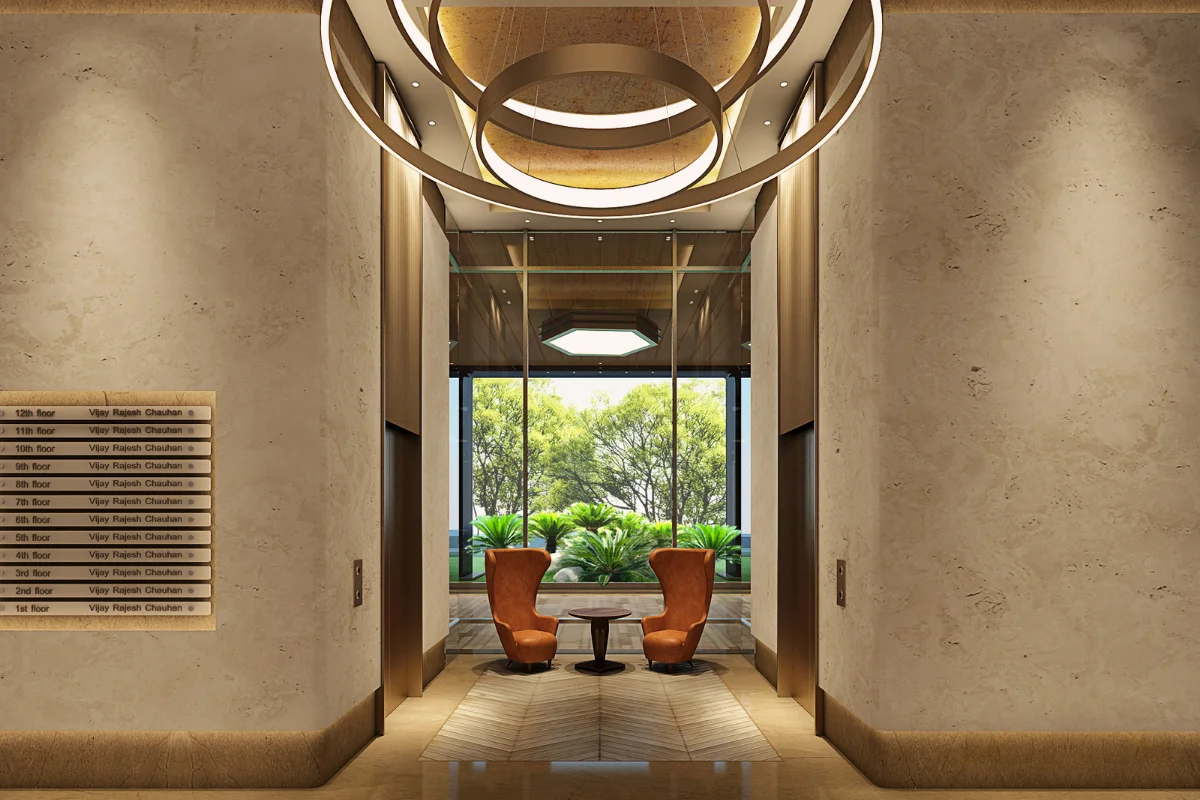
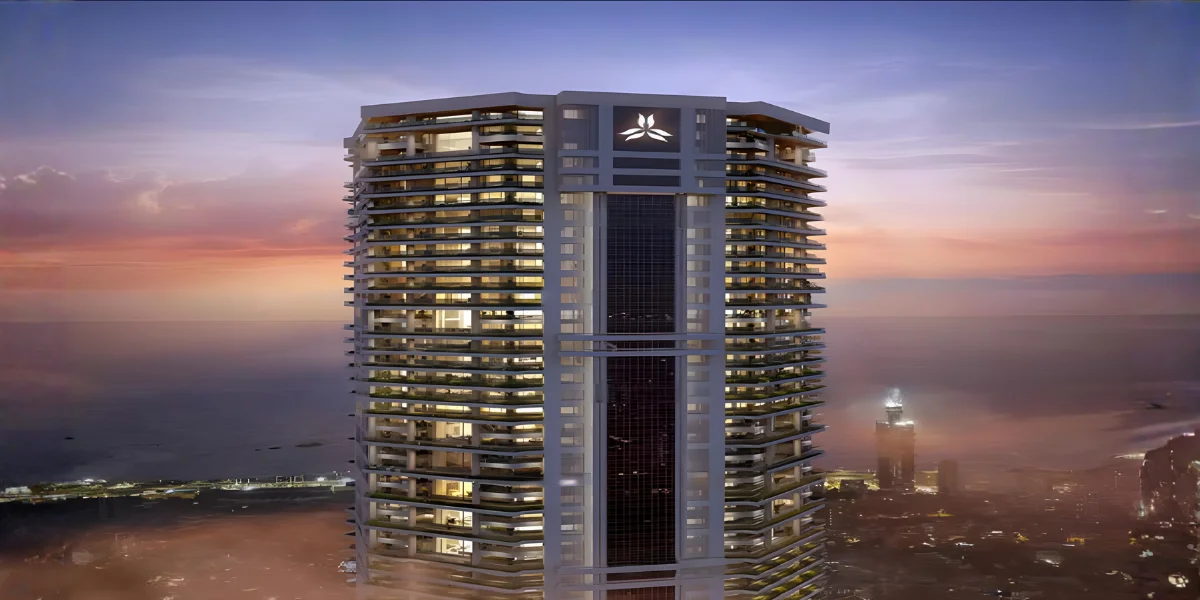
The Ceejay Residency Architecture project reflects several of these characteristics clearly, with a material palette that balances raw and refined textures, and a form that responds thoughtfully to its urban site rather than imposing a generic template onto it.

4. Indoor-outdoor flow is central to most contemporary architecture examples

Among the strongest contemporary architecture examples you’ll find today, indoor-outdoor flow tends to be a defining thread. Generous glazing, seamless transitions between interior floors and outdoor terraces, and a general dissolving of the hard boundary between “inside” and “outside” are hallmarks of this approach. It reflects a broader shift in how people want to live, seeking homes that feel connected to light, air, and landscape rather than sealed off from them.
what is contemporary architecture 5
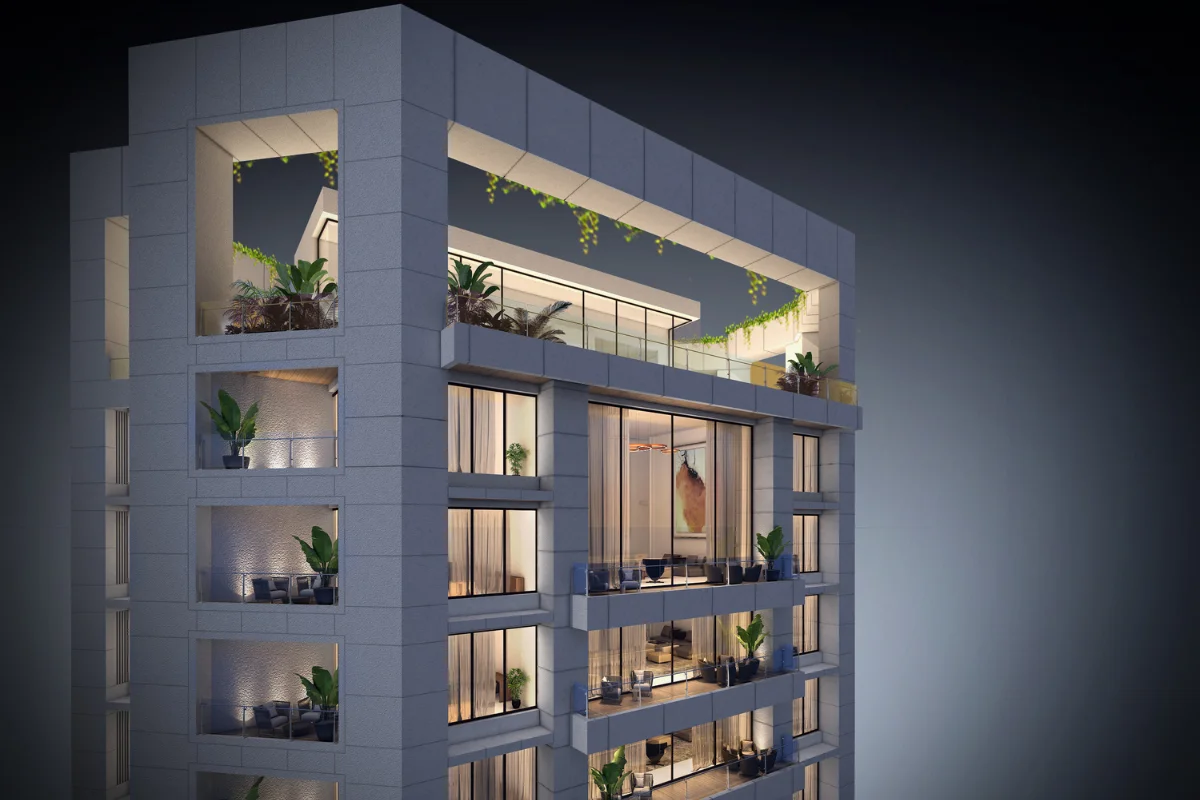
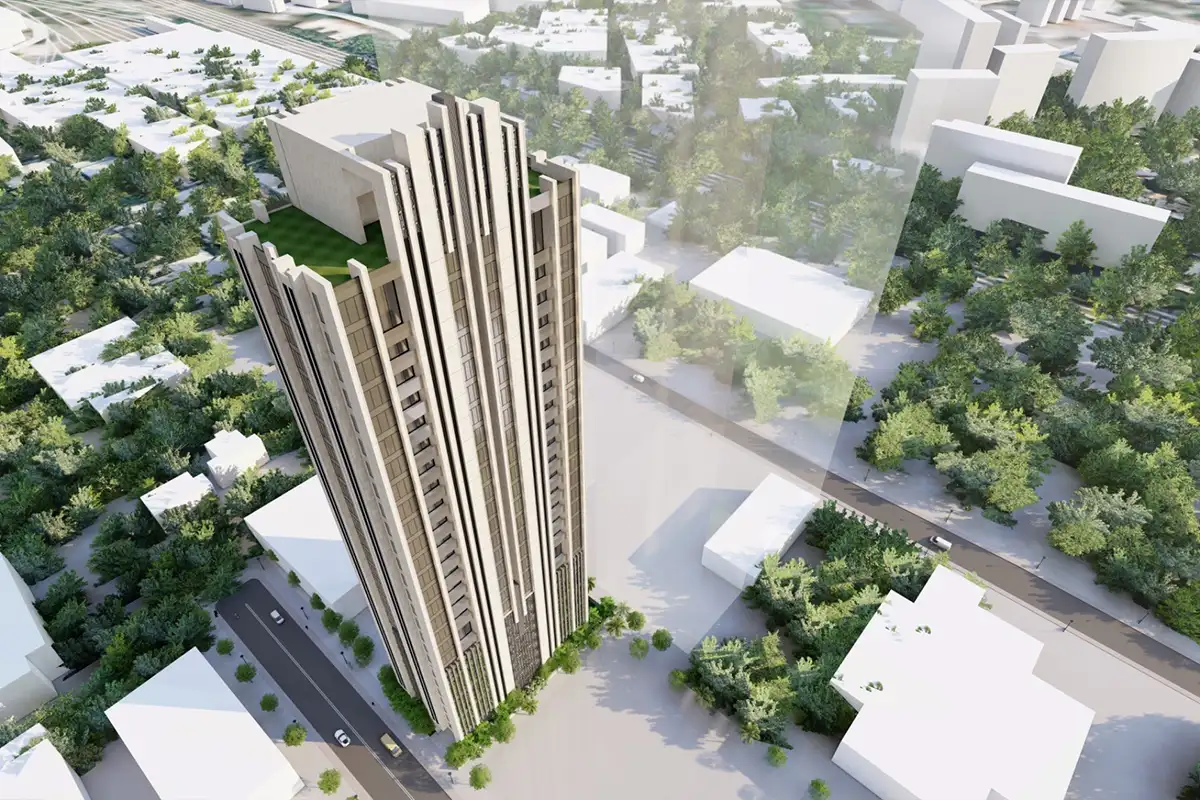
CTS-01 demonstrates this principle well, with a design language that allows natural light and ventilation to move through the building in a way that feels considered rather than incidental, softening the line between the structure and its surroundings.

5. Contemporary residential architecture in India has its own distinct voice

Contemporary architecture in India isn’t simply an import of Western design trends. Contemporary residential architecture here has developed its own voice, shaped by climate responsiveness, dense urban contexts, and a cultural preference for homes that feel both private and generously proportioned. Elements like deep overhangs, courtyards, and locally sourced stone often appear alongside more globally recognisable contemporary features, creating a style that is genuinely regional even while staying current.
what is contemporary architecture 6
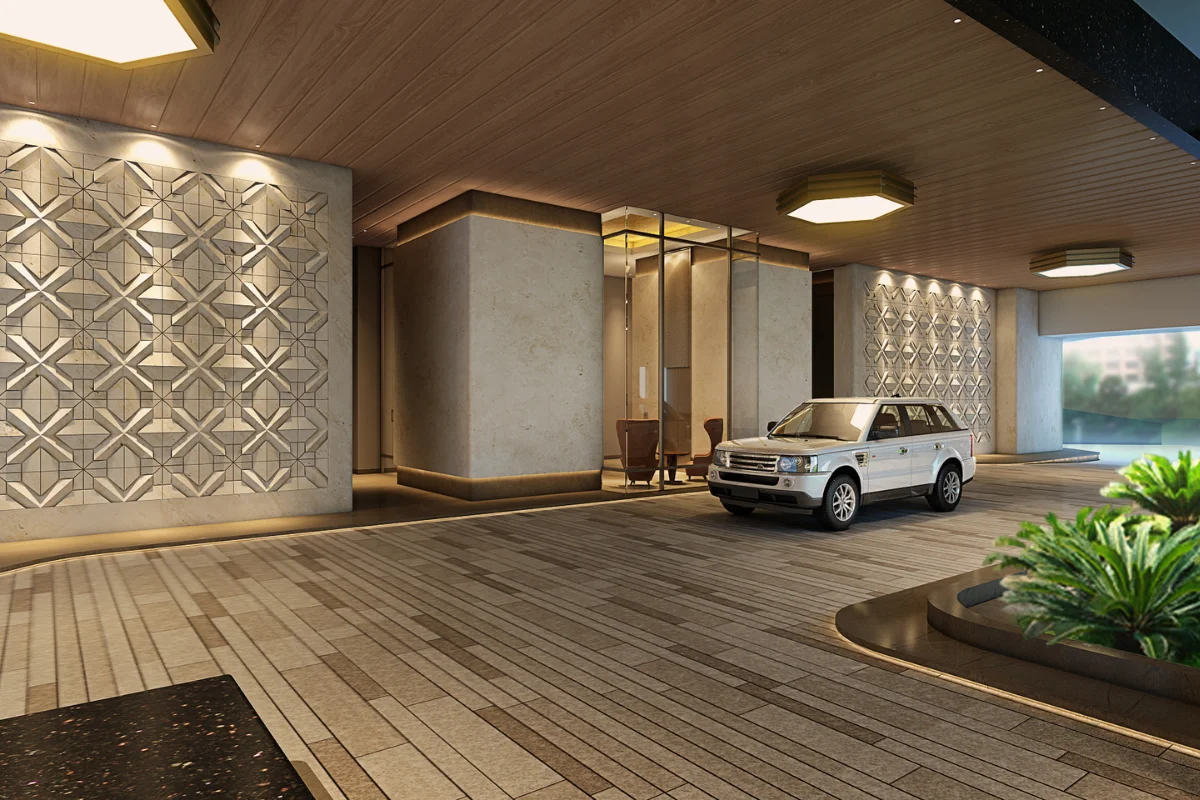
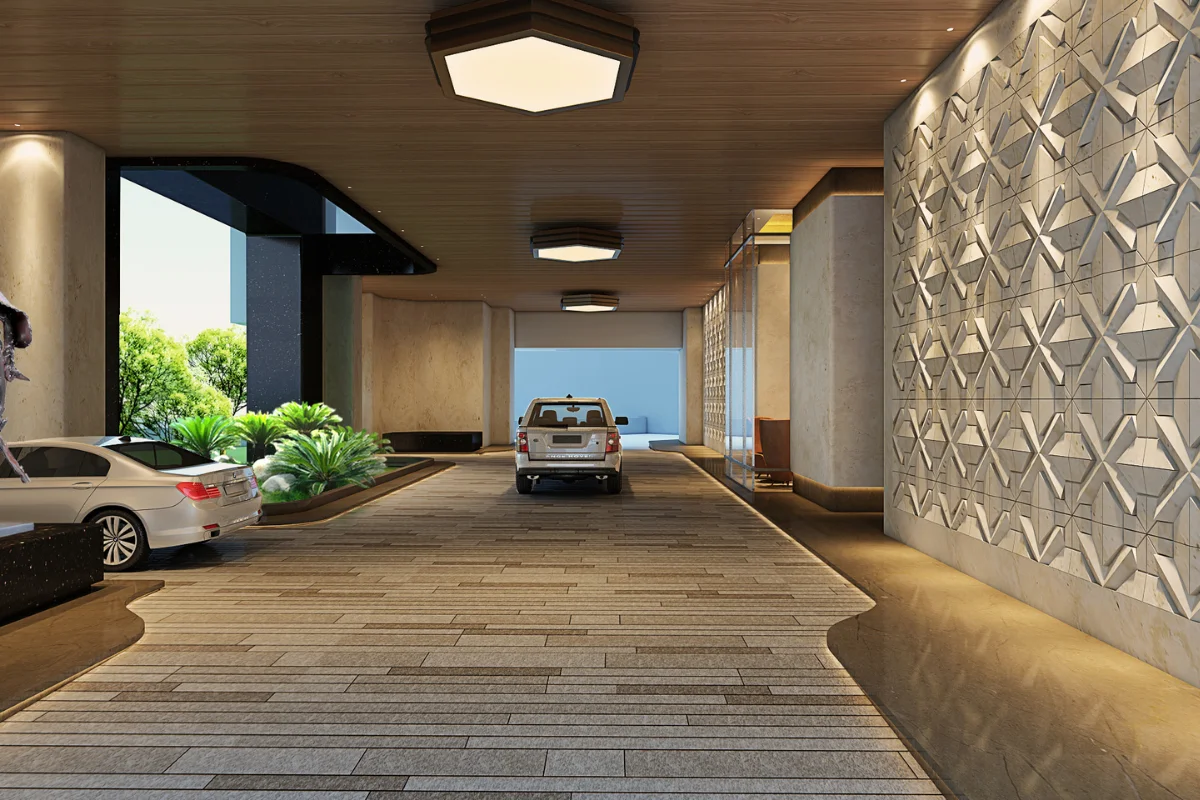
Ashford Royale is a strong example of this regional sensibility, blending a distinctly contemporary form with material choices and spatial planning suited to its specific site and climate, rather than following a one-size-fits-all approach to design.

Bringing it all together

So, what is contemporary architecture, at its core? It isn’t a fixed style you can point to and replicate; it’s a way of designing that stays responsive to the present moment, to sustainability, to material honesty, to the way people actually want to move through and live in their homes. It borrows from history without being bound by it, and it will keep evolving as building technology, climate priorities, and lifestyles continue to change.
what is contemporary architecture 7
Understanding these five distinctions, the difference between contemporary and modern, the deeper characteristics beyond aesthetics, the emphasis on indoor-outdoor flow, and the regional character contemporary architecture takes on in a place like India, gives you a much clearer lens for evaluating any building you come across, whether it’s a private residence or a public landmark. The next time someone calls a building “contemporary,” you’ll know it’s less about a checklist of features and much more about how thoughtfully that building responds to the world around it, right now.
Stay tuned at www.talatiandpartners.com for more such design ideas.
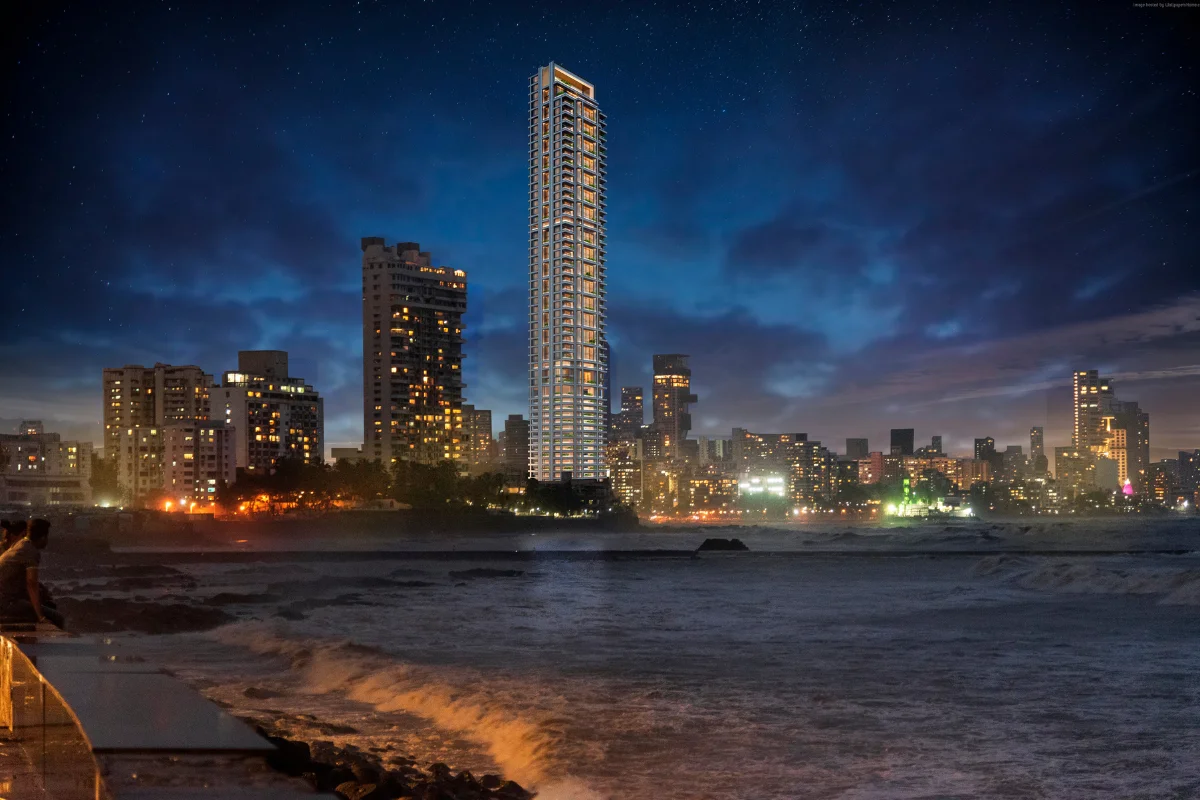
What Is Contemporary Architecture? Here Are 5 Things You Didn't Know About It

  • It refers to architecture being designed in the present day, rather than a fixed historical style, drawing on current technology, sustainability priorities, and cultural influences.

  • Modern architecture is a specific 20th-century movement; contemporary architecture is not tied to any single era and continues to evolve.

  • Sustainability integration, mixed materials, open and flexible floor plans, and strong indoor-outdoor connectivity are commonly cited characteristics.

  • Names frequently associated with the movement include Zaha Hadid, Frank Gehry, and Bjarke Ingels, among many regional and national architects practicing today.

  • Sustainability is now considered a foundational element of contemporary architecture rather than an optional add-on, influencing orientation, material choice, and passive design from the outset.

Blogs you may like..

Are you ready to step into the world of interior design and immerse yourself in the latest trends and styles? Welcome to the exciting realm of blogs at TPA, where creativity meets functionality and inspiration abounds.

October 10, 2025

Inside a Mumbai residence where Talati and Partners raises questions about modern minimalism and its deeply personal nature.

July 09, 2024

The UN reports predict that 68% of the world’s population will reside in urban areas by 2050. It’s no surprise that today, architecture is racing towards the sky.

June 15, 2024

In the world of modern architecture, finding the sweet spot between stunning aesthetics and everyday functionality is no small feat.

best luxury interior designers, architects, Talati & Partners, Luxury residential interior designers, Famous architects in India, best Indian architects, top interior design firms, best luxury interior designers, top interior design firms in india, India’s best apartment interior designer, Award winning interior designer, luxury residence interior designers, top 10 residential interior designers in mumbai, best residential interior design firms, best interior designers worldwide, architects firm in india, best indian architects, best indian residential architects, top 10 indian architects, Duplex house architects, India's leading award winning architects, International architects, Talati and partners, best architects firm in india
Know us better
Stay In Touch
Subscribe & Follow

© 2023, Talati & Partners LLP

error: