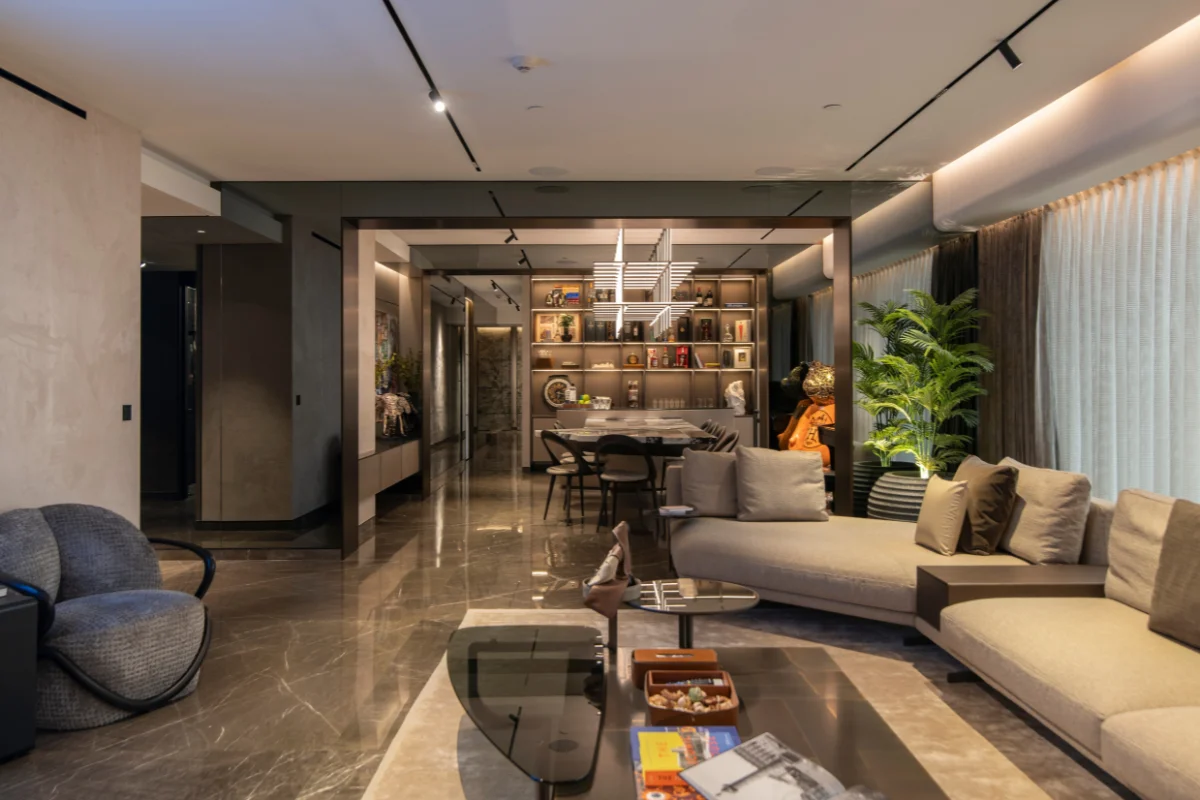
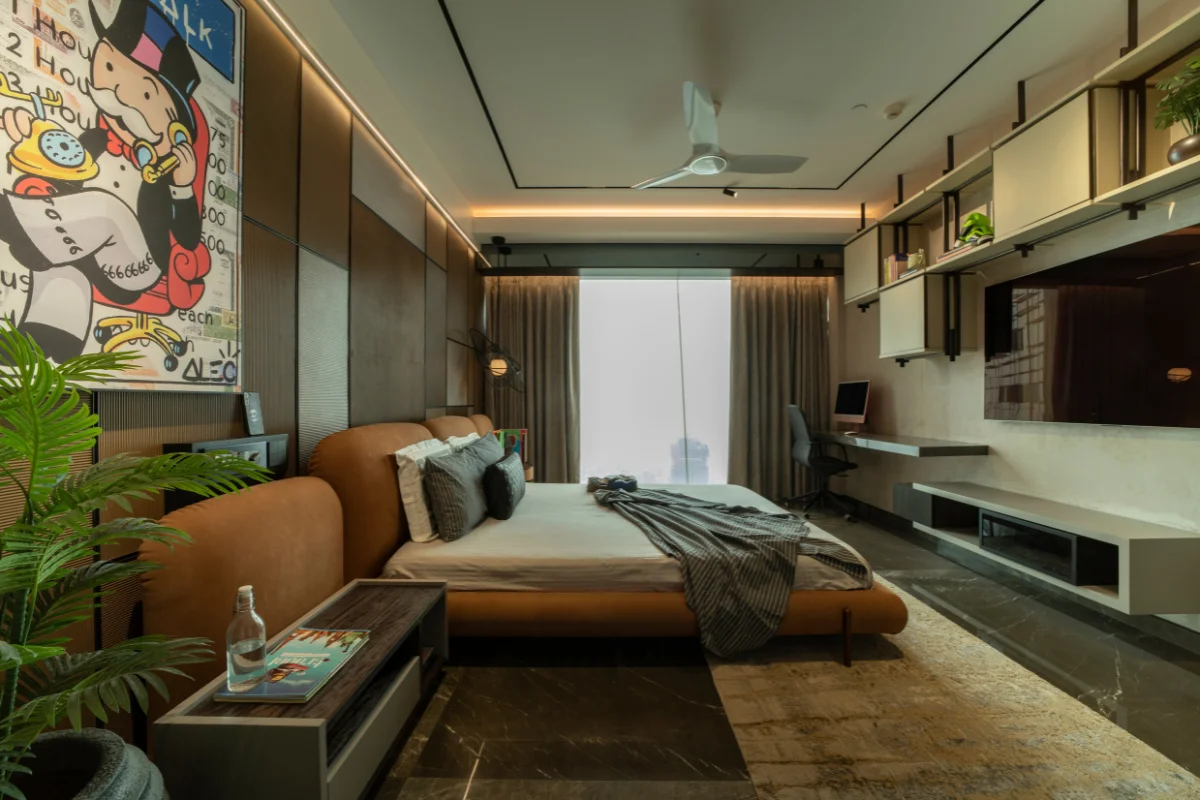
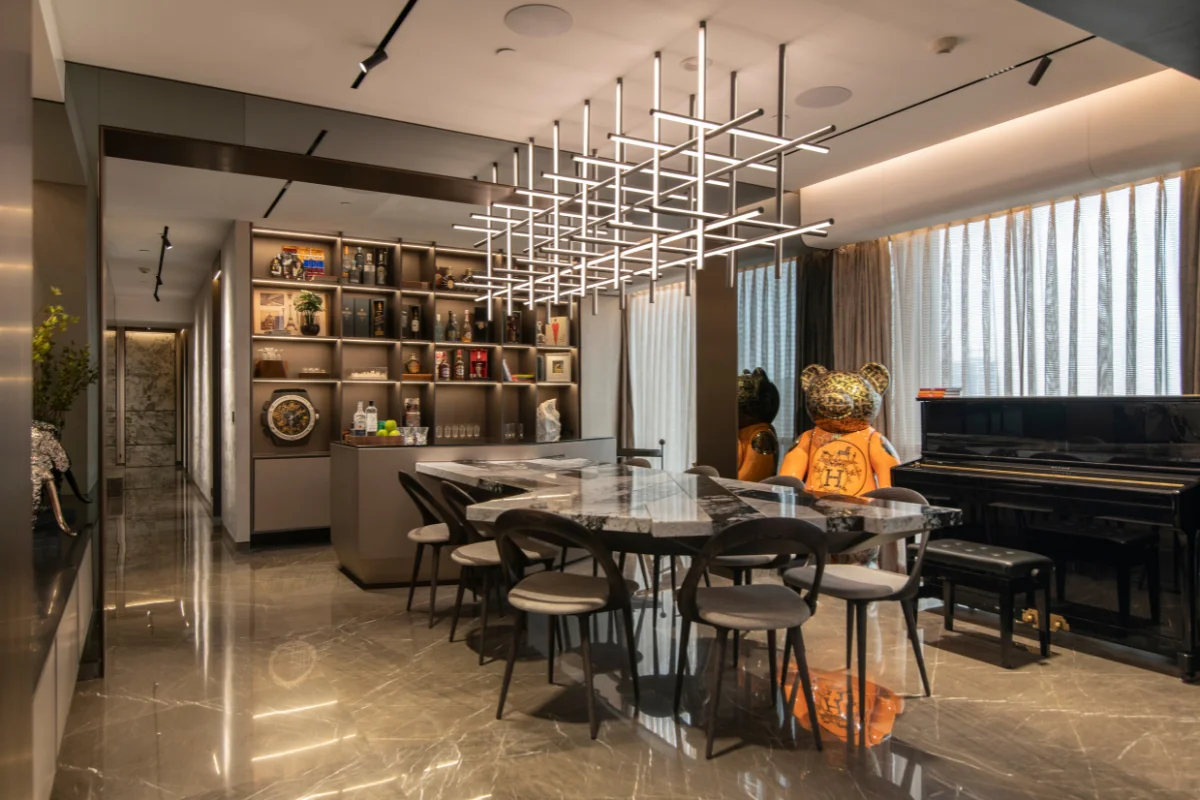
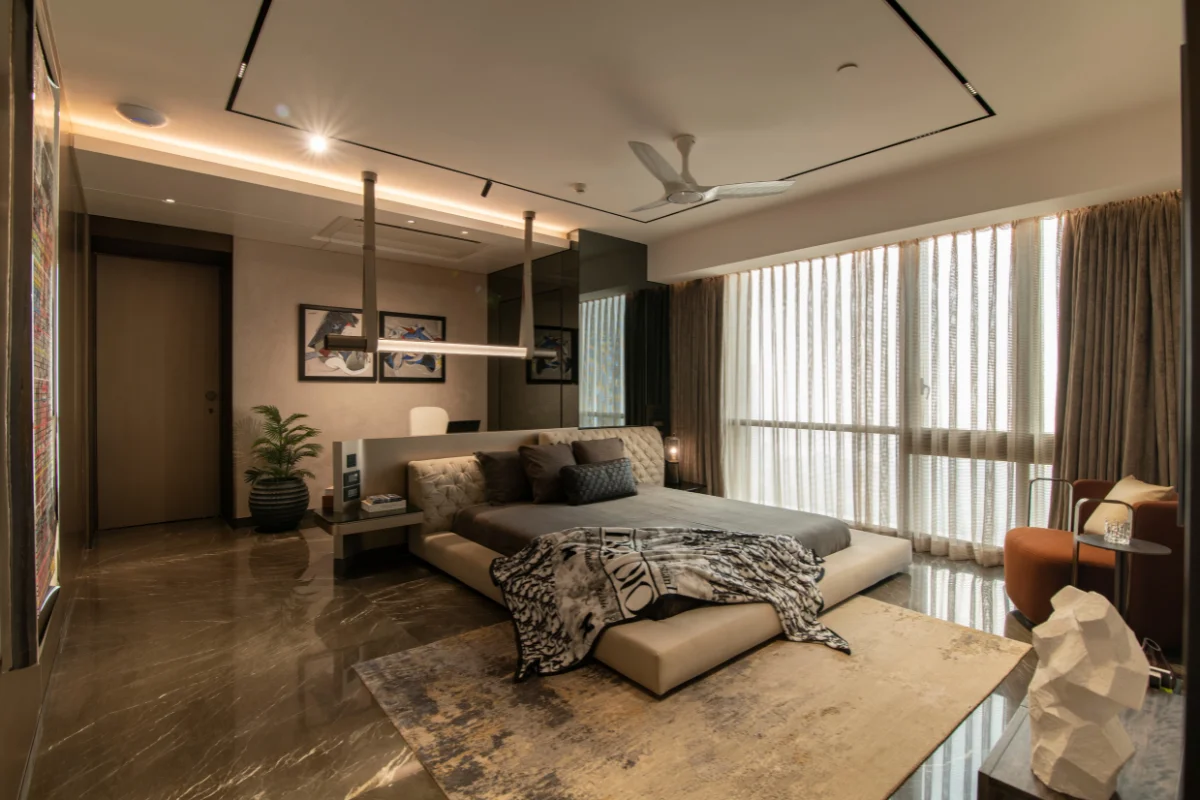
Minimalism has long been defined by its commitment to structural clarity and architectural restraint. Yet, the starker iterations of the past often felt distant or even austere. As we approach 2026, a new temperament is emerging within luxury residences. Warm minimalism embraces the discipline of modern design while introducing a profound sense of intimacy through palette and material tactility. This movement transforms the home into a sanctuary that feels both curated and deeply lived in.
Talati and Partners are at the forefront of this shift, demonstrating how a pared back aesthetic can possess a soul. By prioritising the human experience over mere visual spectacle, their work reveals that luxury is found in the balance between spatial rigour and sensory richness.
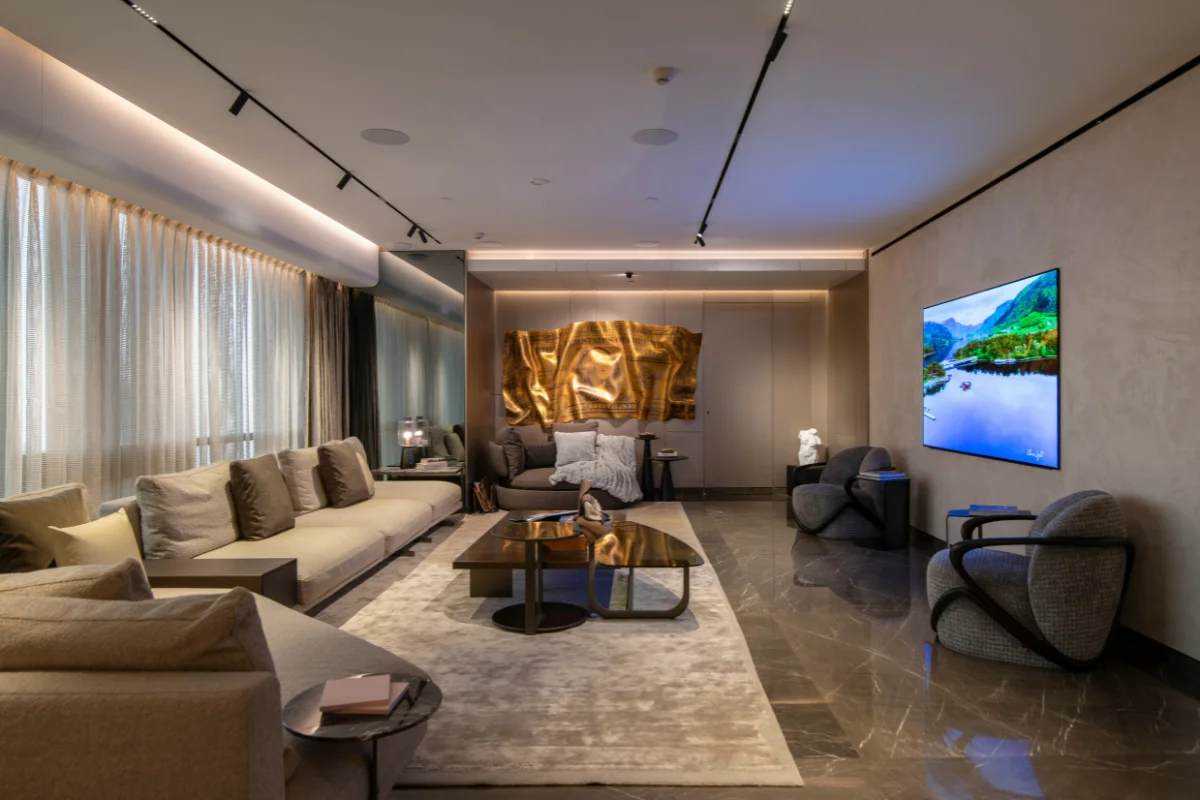
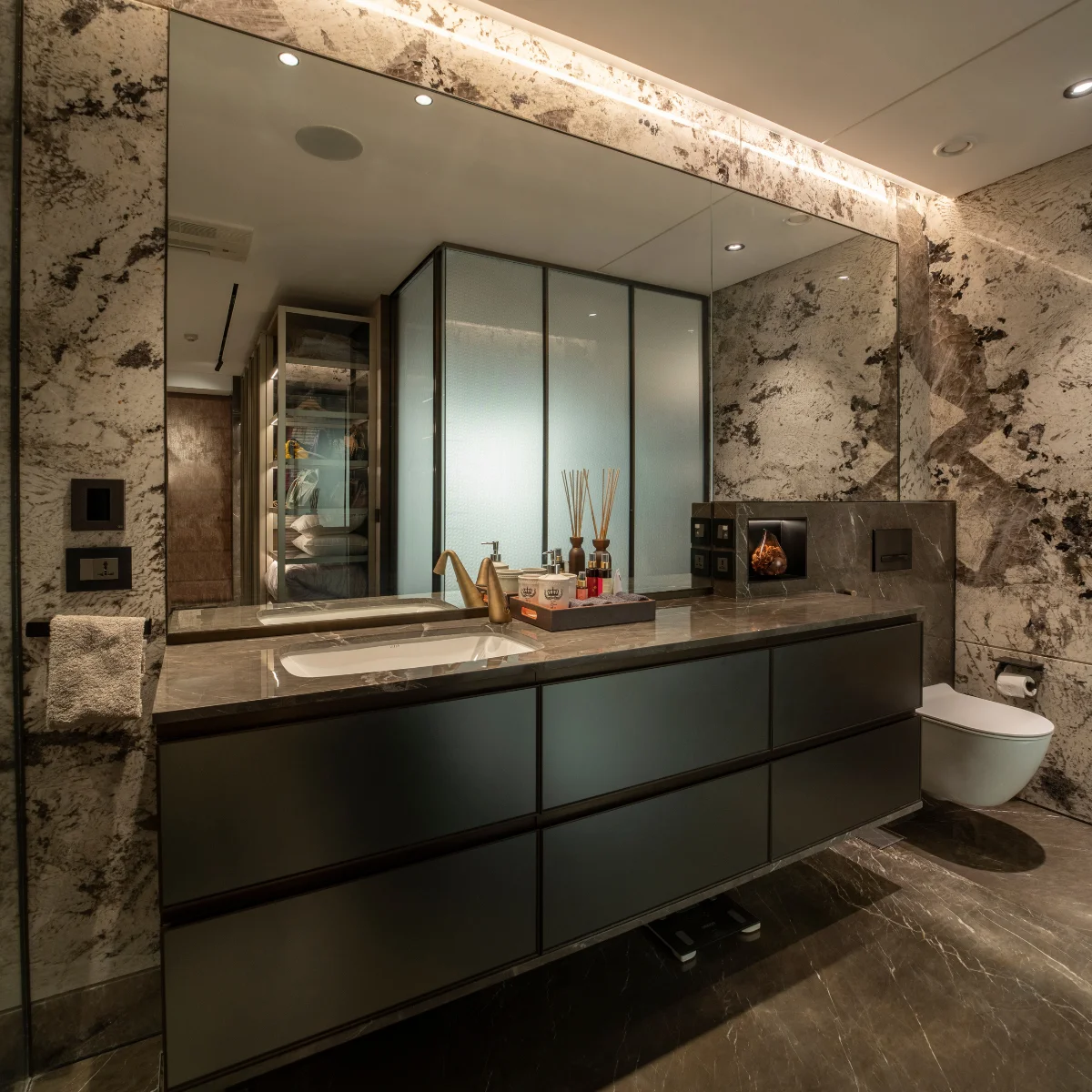
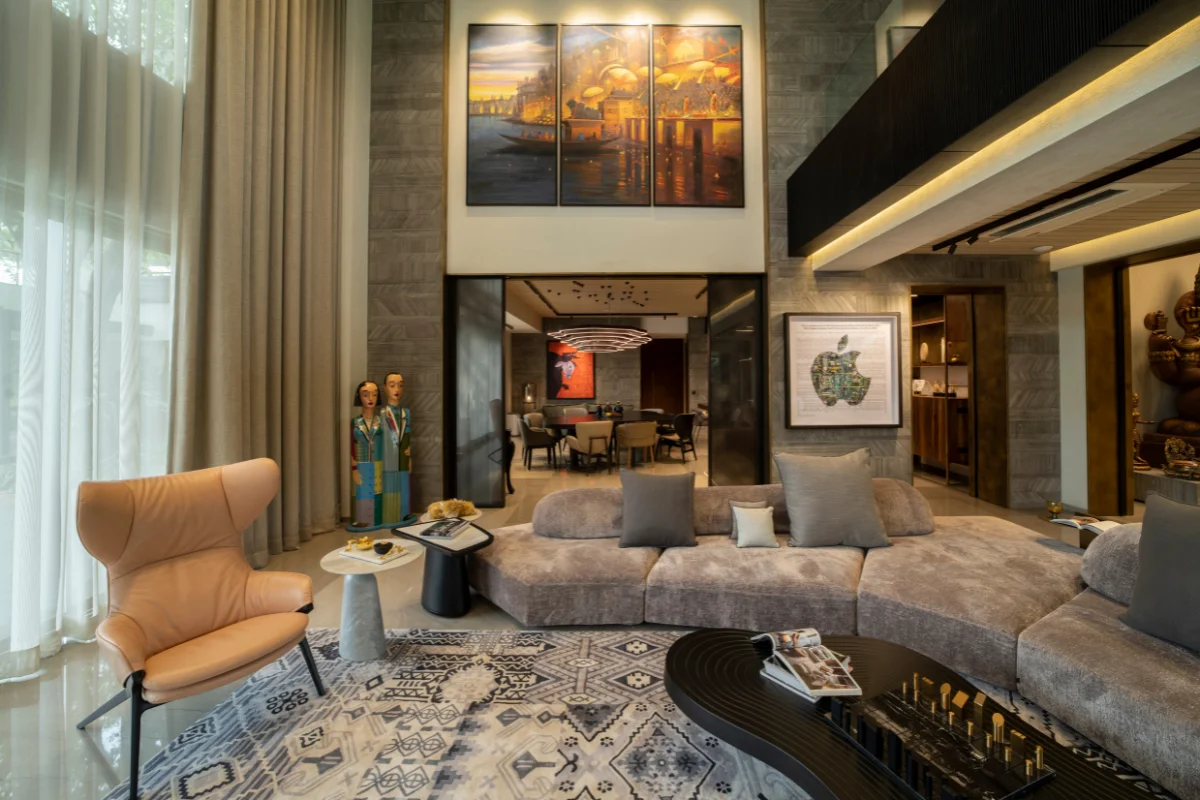
The realignment toward warmth begins with a departure from clinical whites. In 2026, the luxury interior relies on a palette drawn from the earth. Nuanced beiges, clay undertones, and stone inspired neutrals provide a foundation that feels organic.
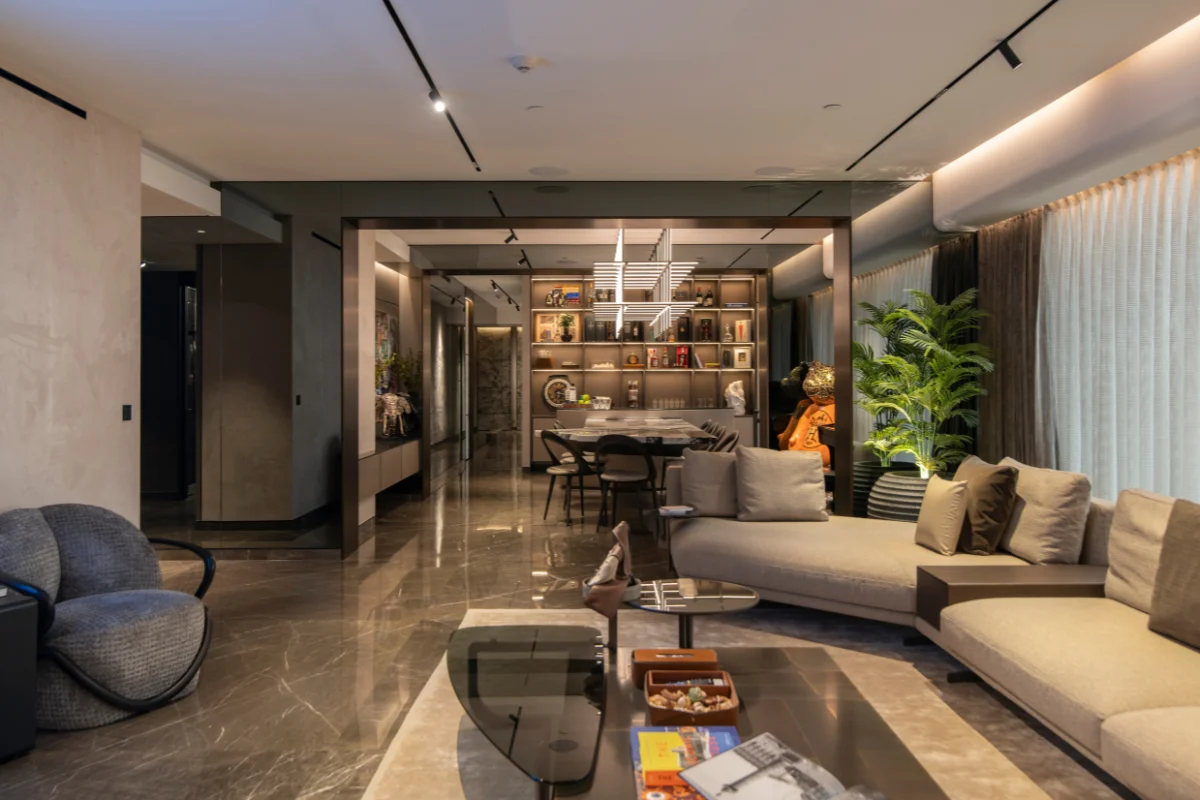
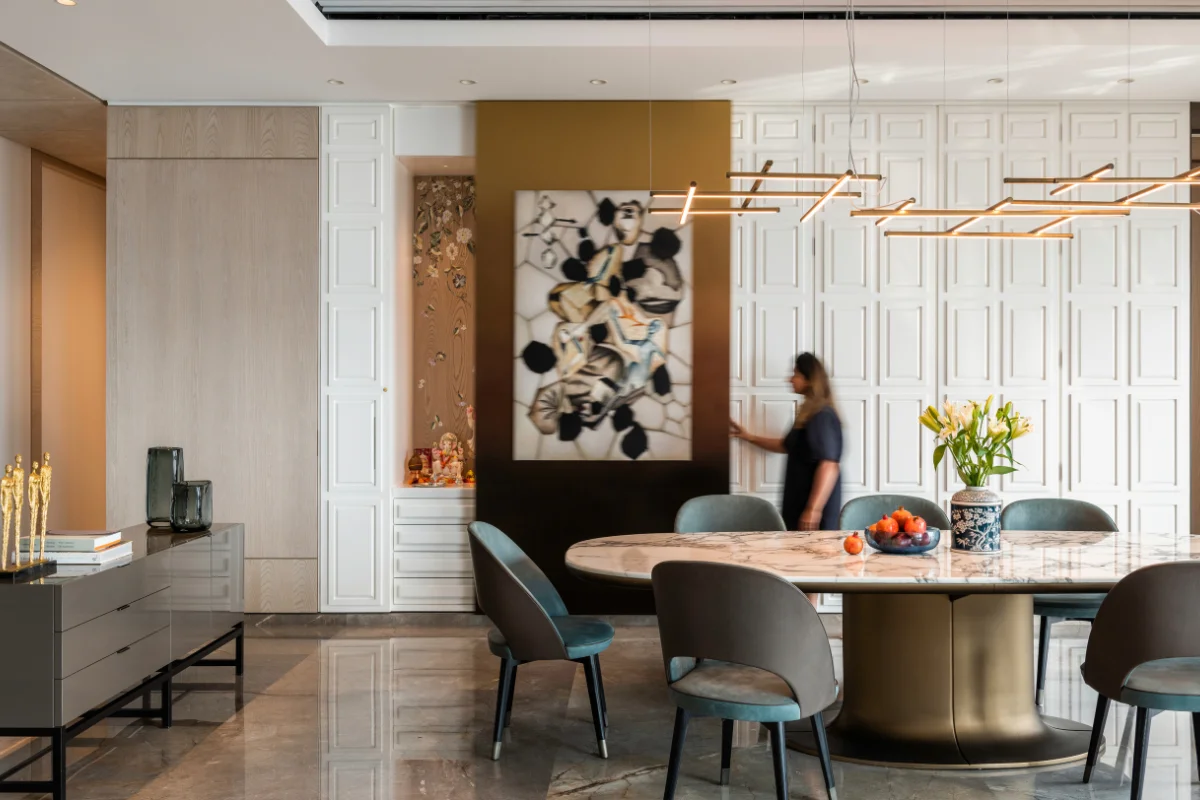
Surfaces here feel nuanced rather than monochrome. Timber joinery is balanced by gentle upholstery, creating a tactile harmony that invites one to linger. The absence of clutter ensures that the richness of these materials remain the focal point, turning a simple room into a sensory experience.
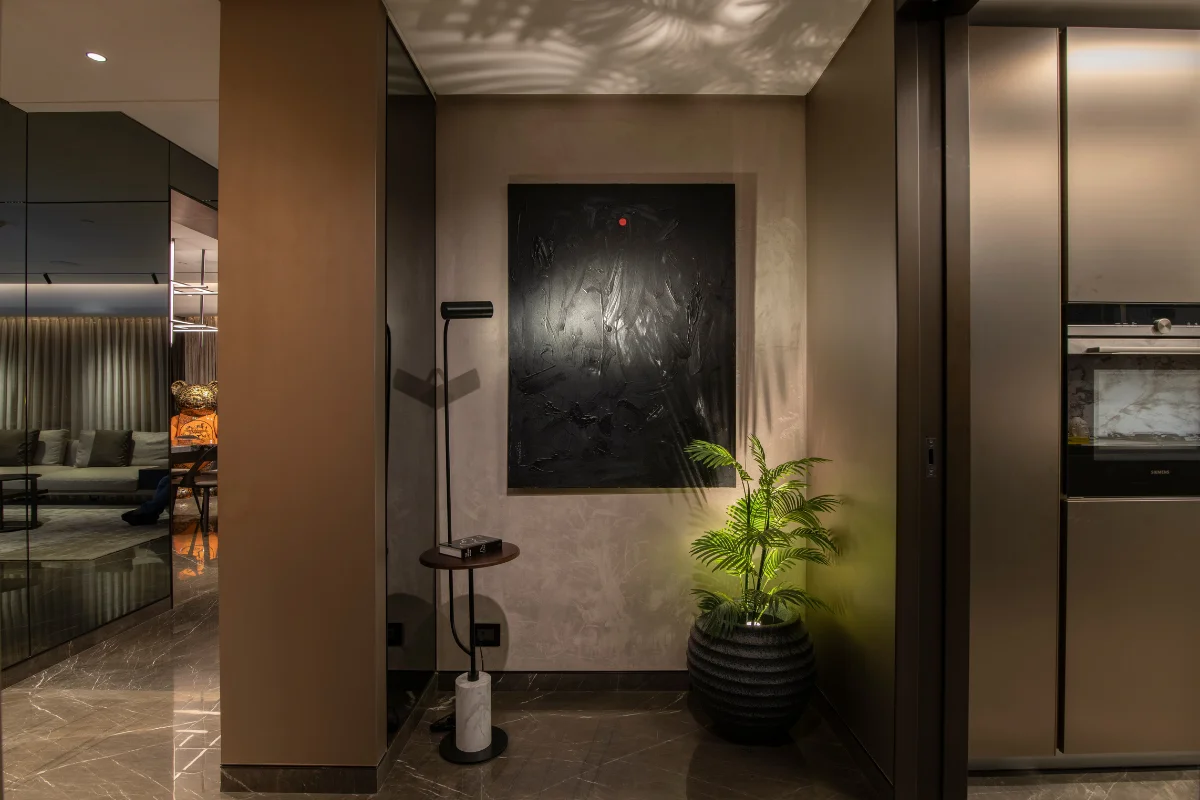
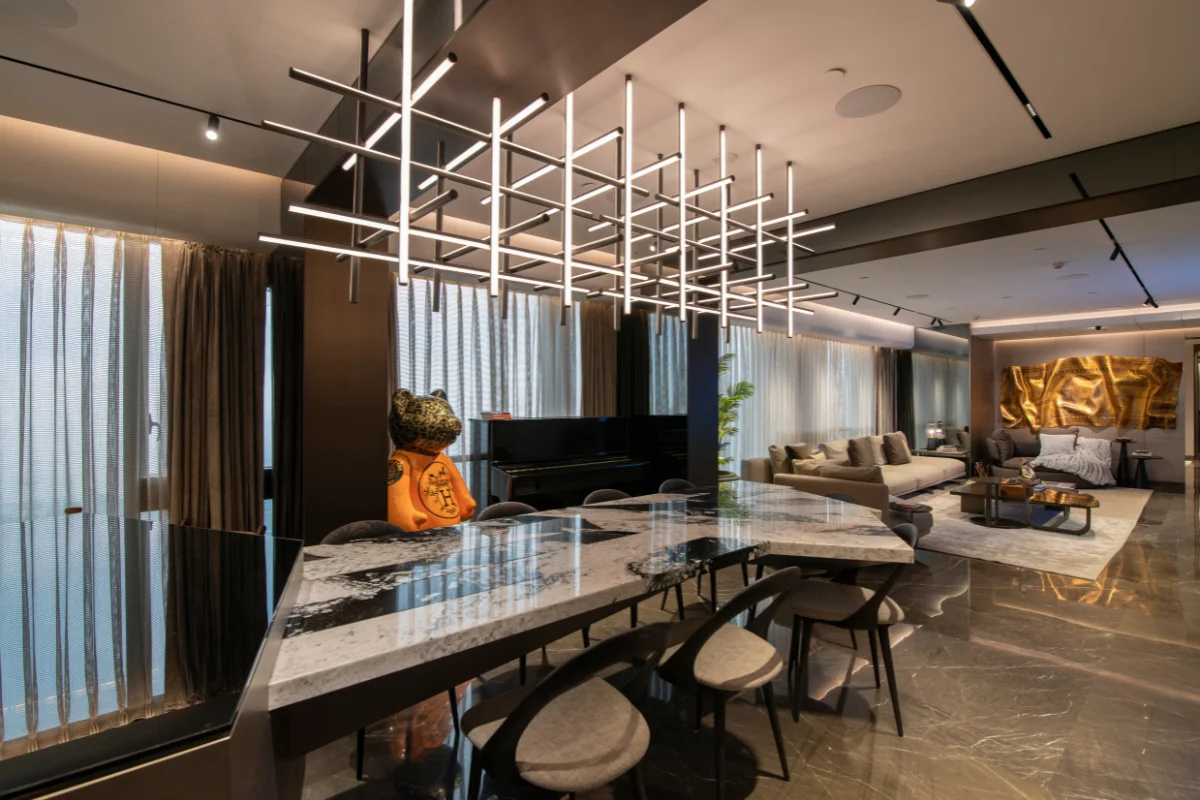
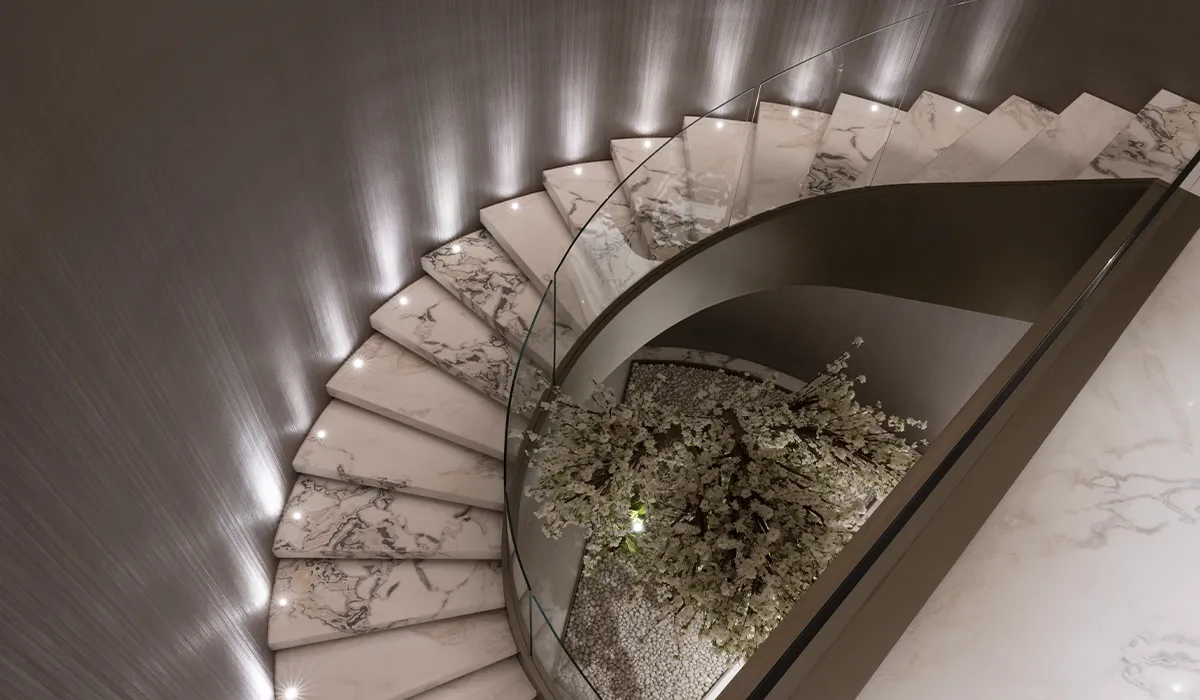
Lighting in the modern minimal home is treated as a structural element rather than a final flourish. It is used to define volume and enhance the grain of the palette. Layered strategies combine indirect illumination with subtle wall grazing to create an atmosphere that transitions seamlessly from dusk to dawn.
Warm minimalism persists because it acknowledges that true luxury is rooted in the ease of daily life. Circulation paths are clear, and storage is integrated so seamlessly that it becomes invisible. This spatial clarity supports a lifestyle that is effortless and intuitive. Furniture is selected with restraint but positioned to encourage conversation and serenity. It is a philosophy where function and form align to create an environment that anticipates needs rather than dictating them.
As design continues to evolve, this approach remains a testament to the power of thoughtful restraint. Through an extensive portfolio delving in the minimalistic principles of design, Talati and Partners prove that the ‘less is more’ philosophy is not a lack of content, but a mastery of it. This is a luxury defined by the clarity of form and the richness of the lived experience.