Walk into a beautifully designed room and switch off every light, and you’ll notice something interesting, the furniture, the art, and the finishes haven’t changed, but the room suddenly feels flat and unfinished. That’s because lighting isn’t a finishing touch in interior design; it’s structural. It shapes how a space is read, how materials come alive, and how a home feels at different hours of the day. Understanding the different types of lighting in interior design and how they work together rather than in isolation is often what separates an ordinary room from one that feels effortlessly luxurious.
Good lighting design rarely relies on a single source. It’s the layering of several types of interior lighting, each doing a distinct job, that gives a space its depth and atmosphere. Here’s a closer look at the ten types every well-designed home should consider, and how they come together in practice.
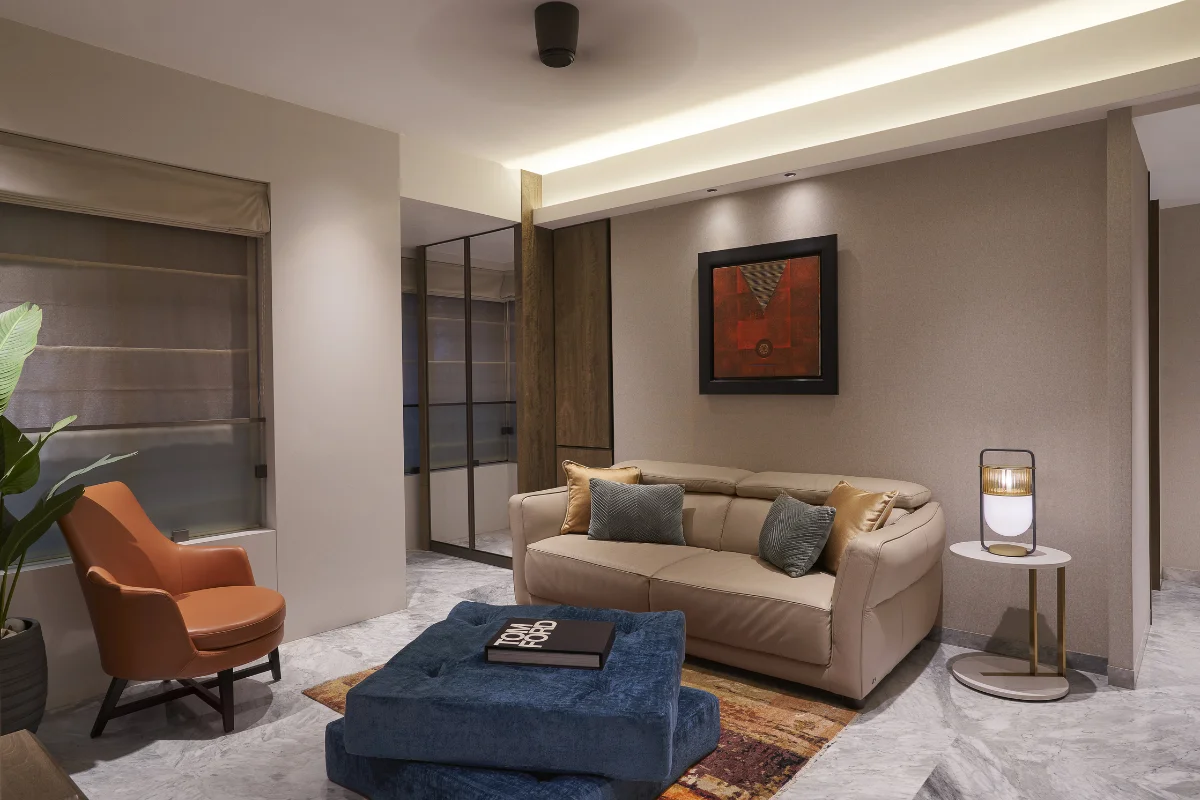
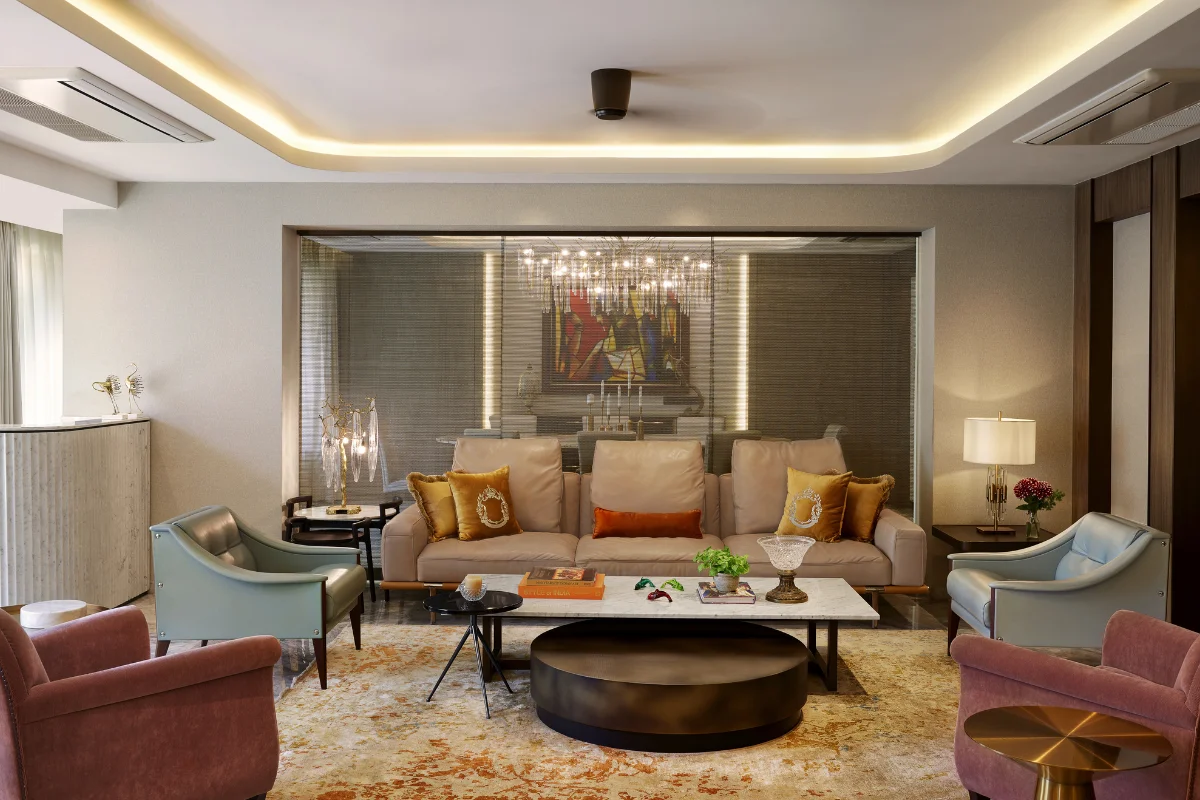
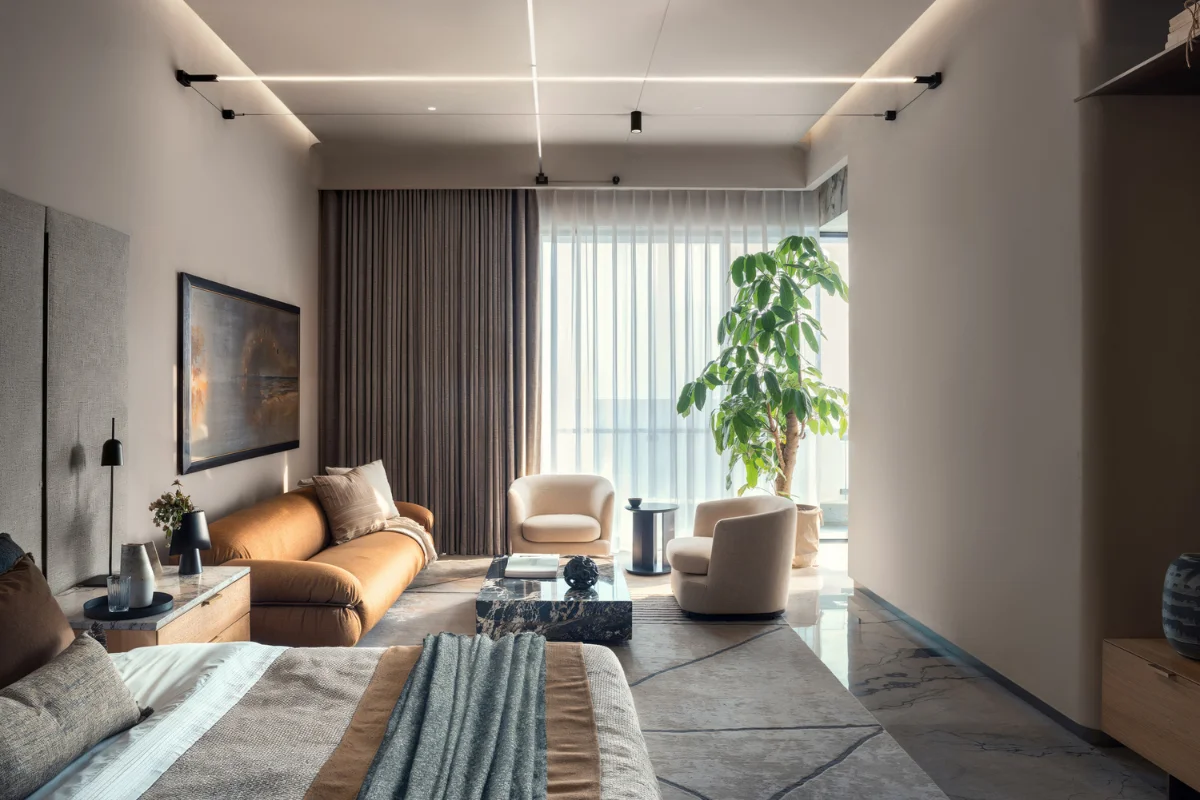
Ambient lighting is the general, even illumination that fills a room think recessed ceiling lights or a central fixture. It’s the base layer that every other type of lighting builds on. Without a well-calibrated ambient layer, even the most beautiful accent pieces can feel disjointed. Getting this base right is usually the first step in any conversation about the different types of lighting in interior design.
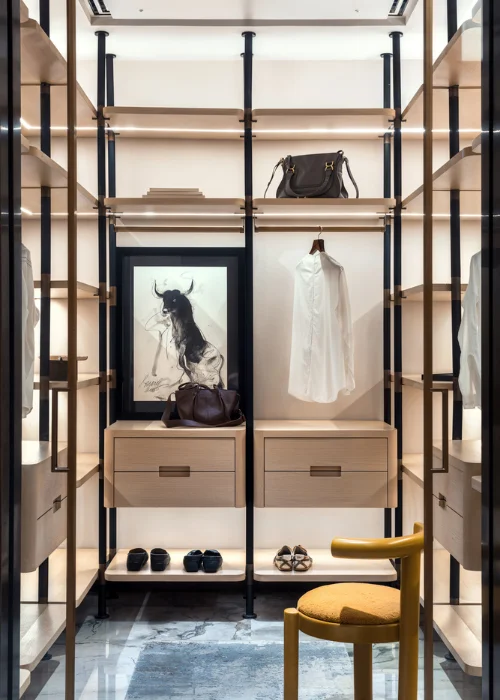
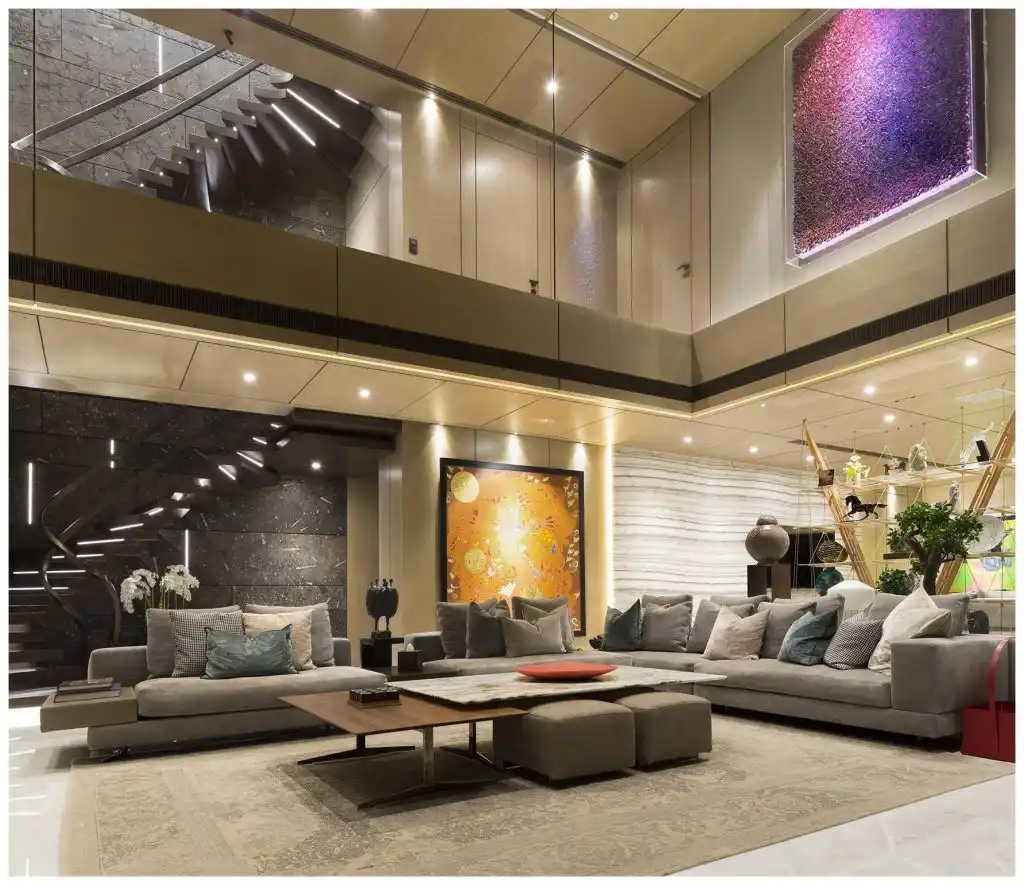
Accent lighting draws the eye toward something worth noticing, a piece of art, a textured wall, a sculptural staircase. It typically uses about three times the intensity of ambient light to create contrast and drama. This is where a designer’s instinct really shows, deciding what a room should quietly celebrate.
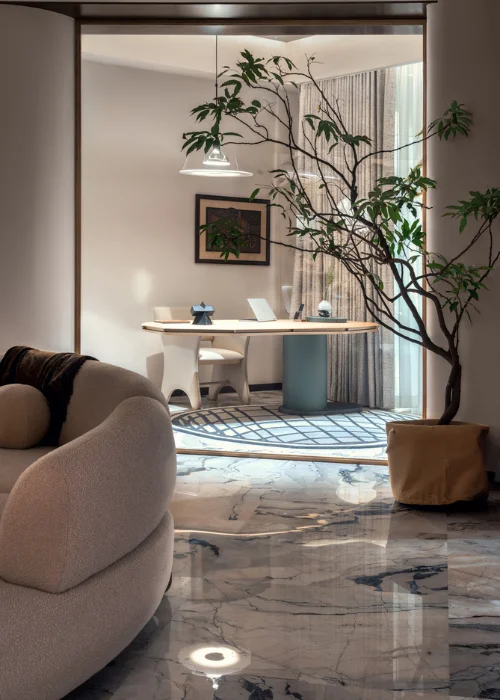
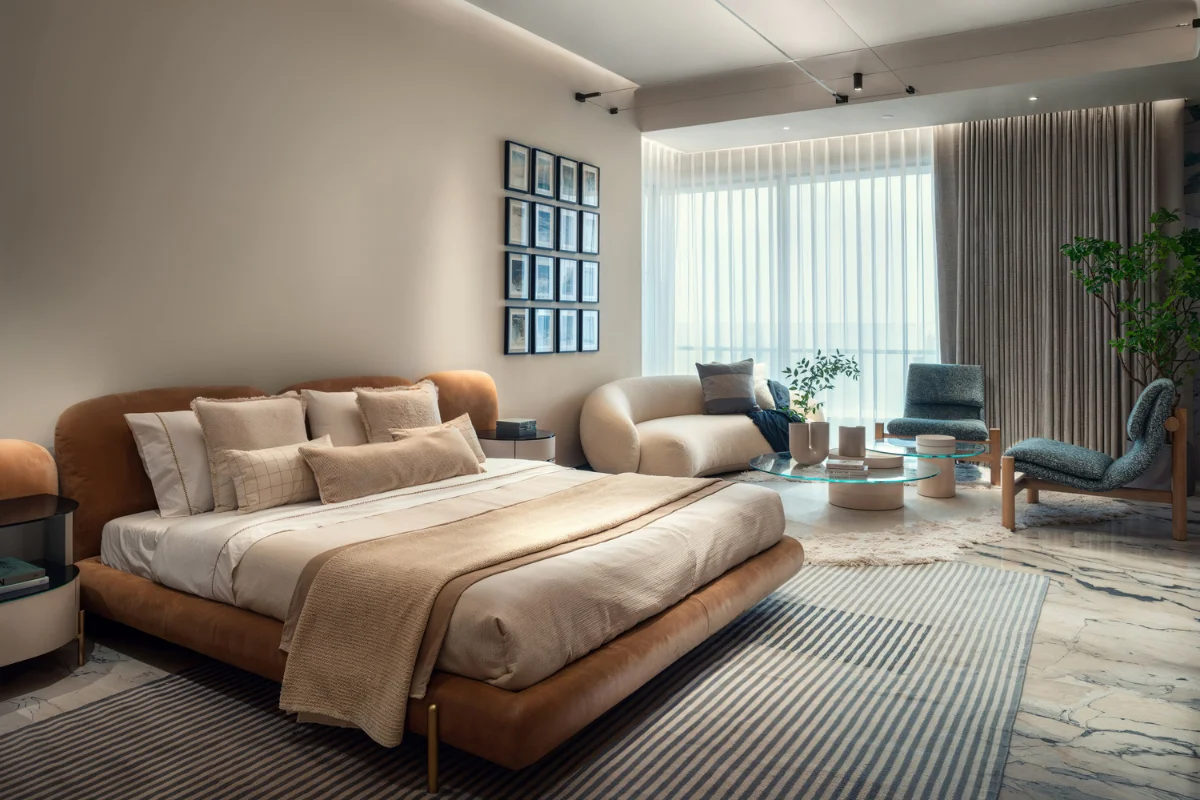
No conversation on lighting design is complete without acknowledging natural light in interior design. It’s free, it’s dynamic, and it changes the character of a room across the day in a way no artificial source can replicate. Good design begins by mapping how sunlight enters a home and orienting living spaces to make the most of it, before a single fixture is even selected.
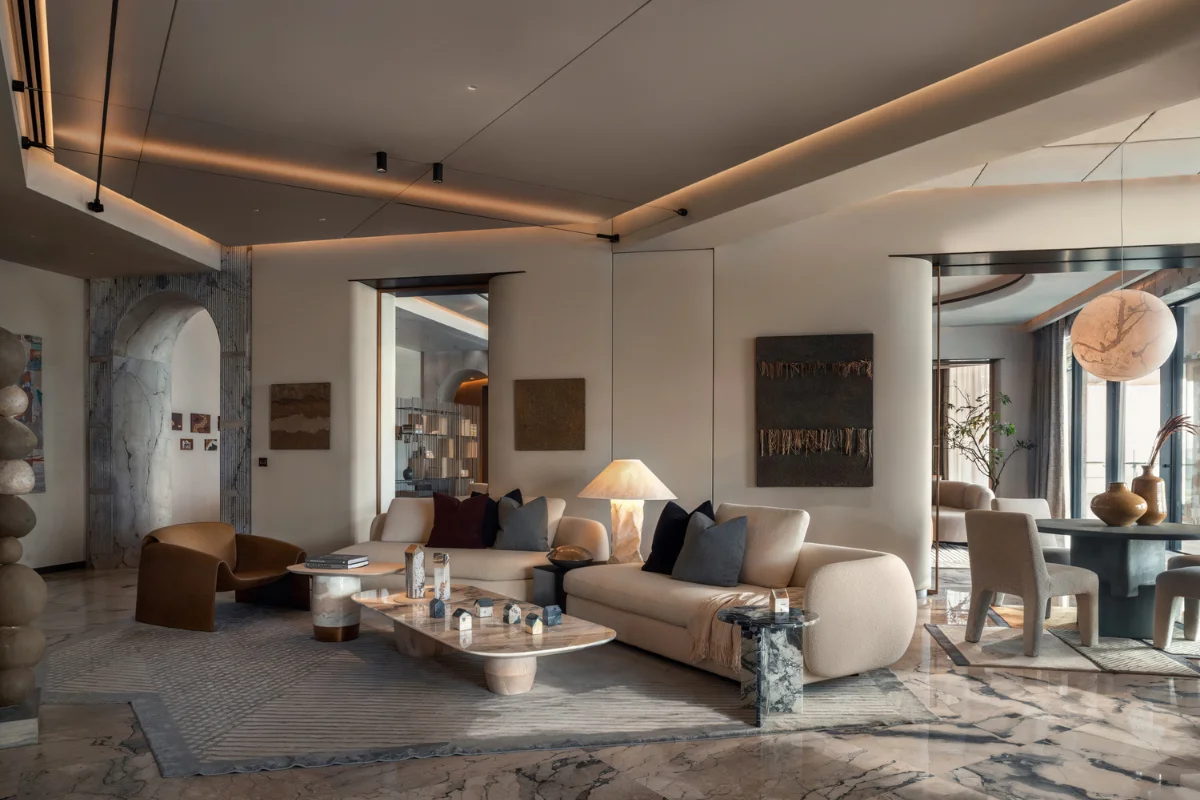
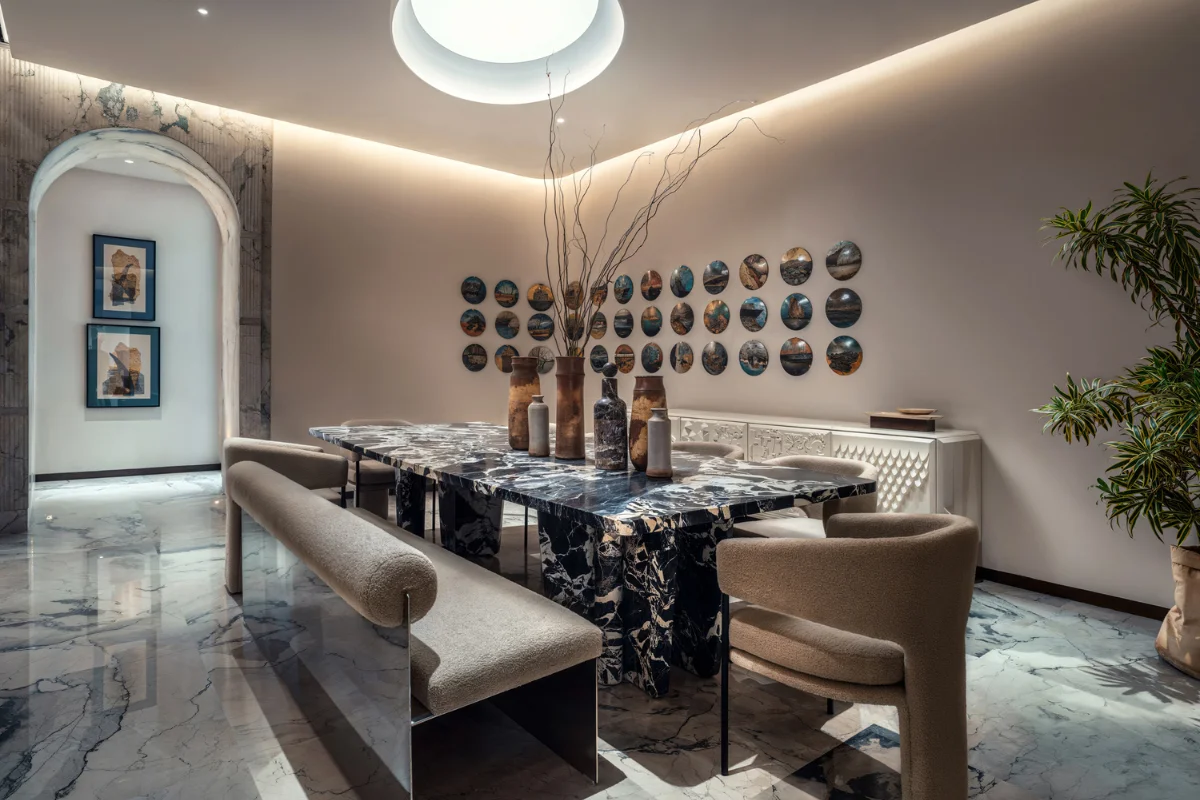
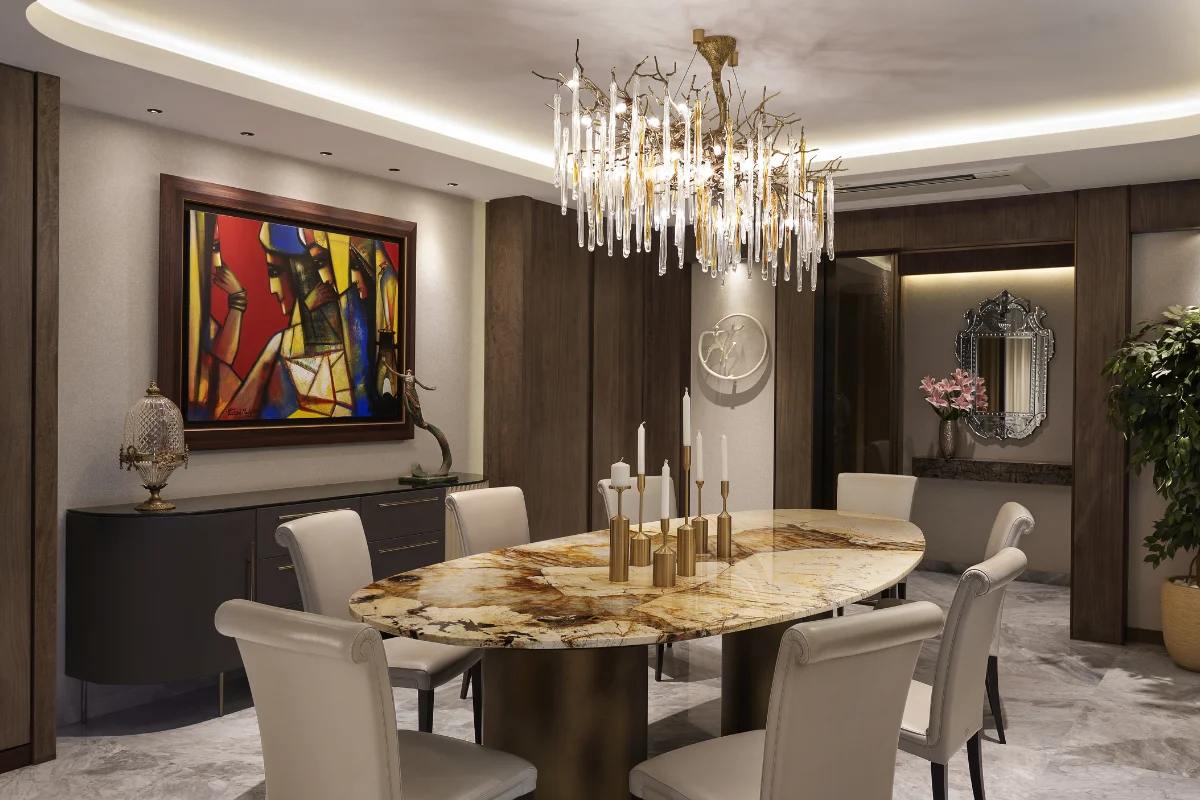
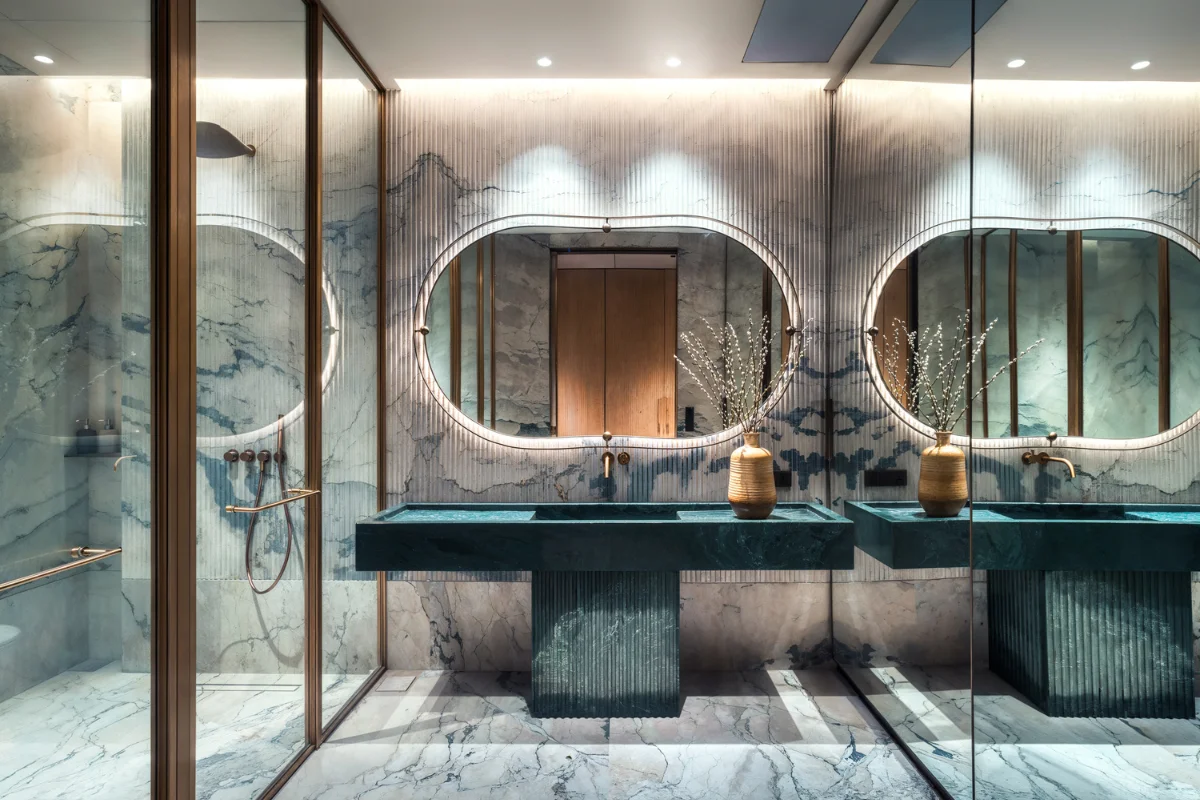
Cove lighting ideas, concealed strips set into ceiling recesses, niches, or coffered details, create a soft, glowing wash without a visible source. It’s one of the more architectural forms of lighting, used to define volume and add a quiet sense of drama to double-height spaces or ceiling details, without ever announcing itself.
Wall washing bathes an entire surface evenly in light, ideal for showcasing a textured stone or a gallery wall. Wall grazing, on the other hand, is angled closer to the surface to exaggerate texture and shadow; a subtle but effective technique used to bring depth to material-driven interiors.
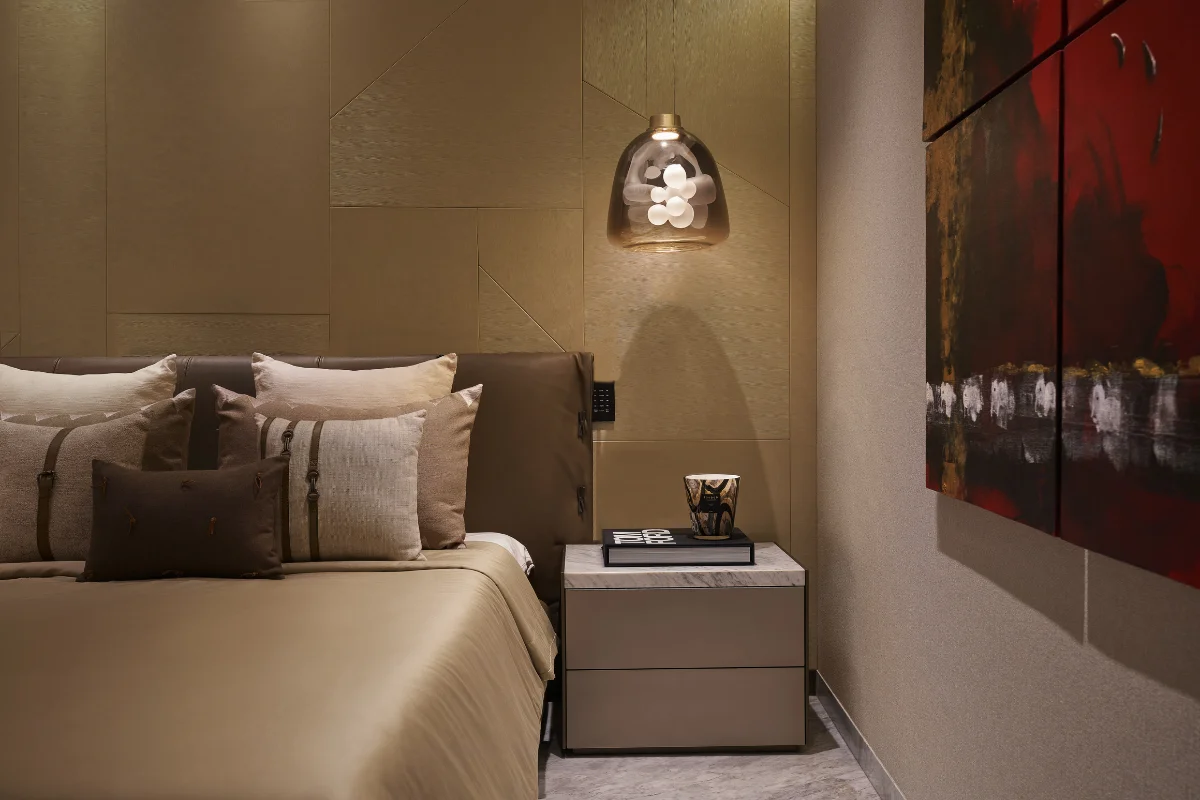
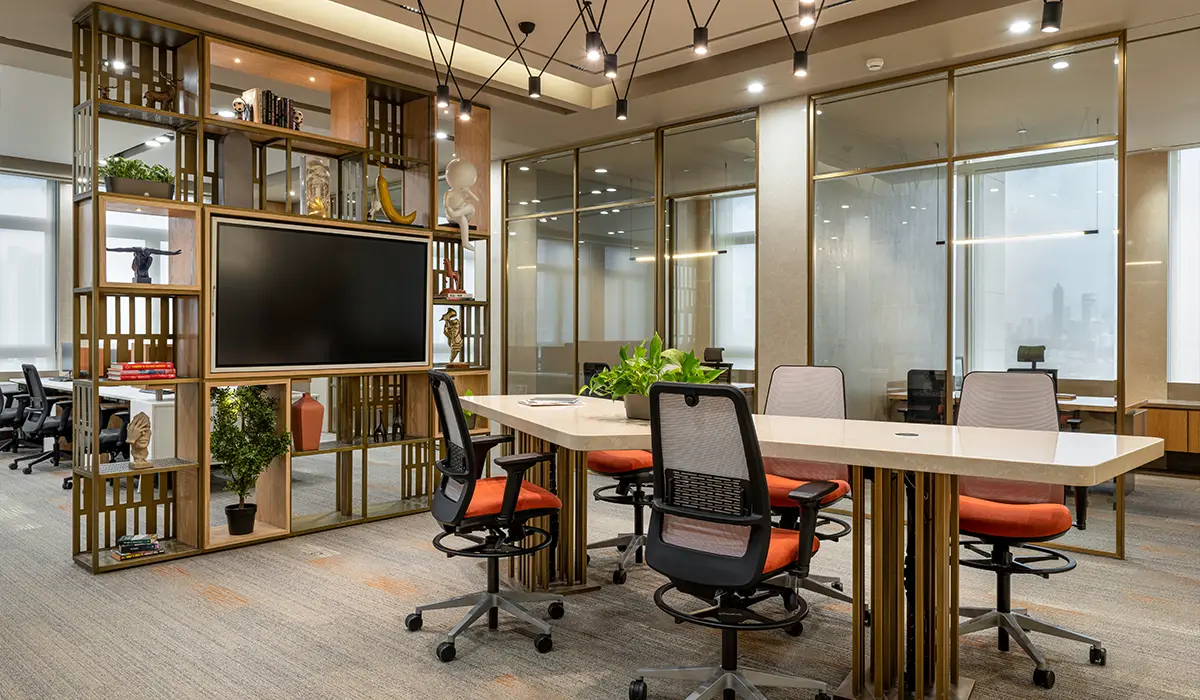
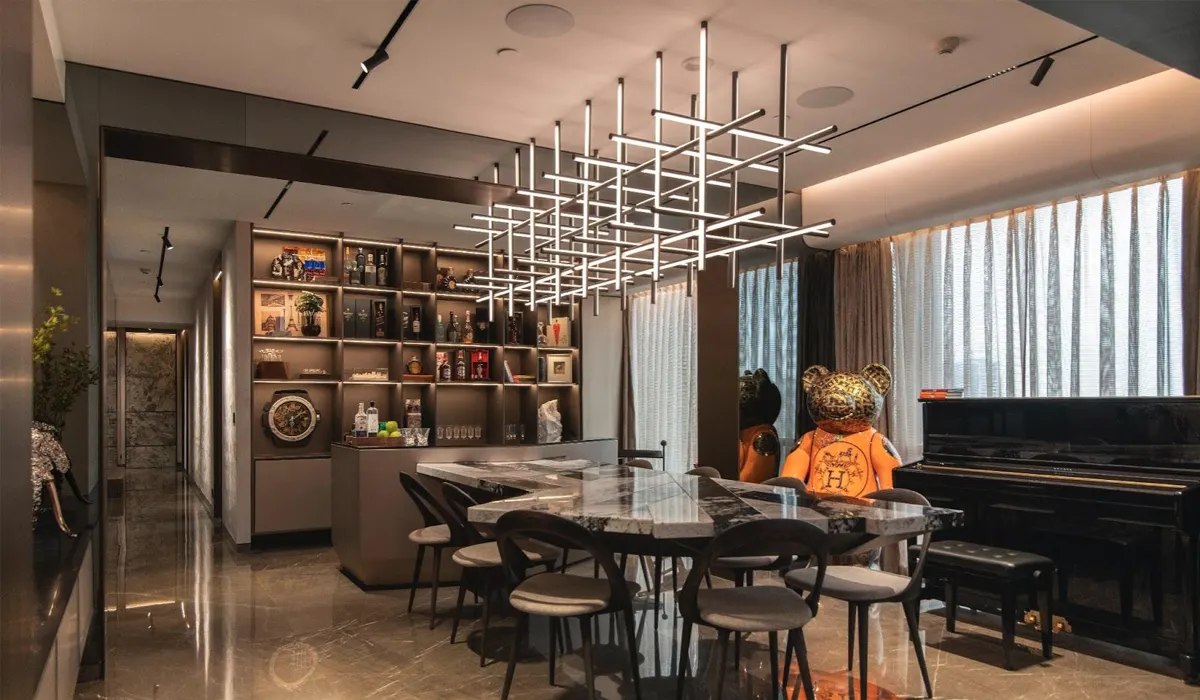
Suspended fixtures over dining tables, kitchen islands, or entry consoles do double duty, they provide focused task light while also acting as a design element in their own right. Pendant height and scale matter enormously here; even a beautiful fixture can throw off a room’s proportions if hung incorrectly.
Sconces bring light closer to eye level, softening the harsher shadows that overhead lighting alone can create. They’re particularly effective in corridors, staircases, and bedrooms, where a gentler, more intimate quality of light is preferred over bright overhead illumination.
The real skill in lighting design for a living room, bedroom, or any other space isn’t picking a beautiful chandelier; it’s understanding how ambient vs task vs accent lighting work together to support how a room is actually used. A layered lighting design approach means every corner of a home has a purpose and a mood, rather than a single switch dictating the entire atmosphere.
Ultimately, the different types of lighting in interior design aren’t a checklist to tick off , they’re a toolkit. Used thoughtfully, together, they’re what allows a home to feel considered at 8 a.m. and quietly luxurious by 8 p.m., without a single piece of furniture having moved.