Interior design trends in 2026 are moving toward spaces that feel warm, personal, timeless, and connected to everyday life. Modern luxury interiors are shifting away from purely visual displays and increasingly focus on comfort, material quality, emotional connection, functionality, and intentional living.
Warm Minimalism in Interior Design
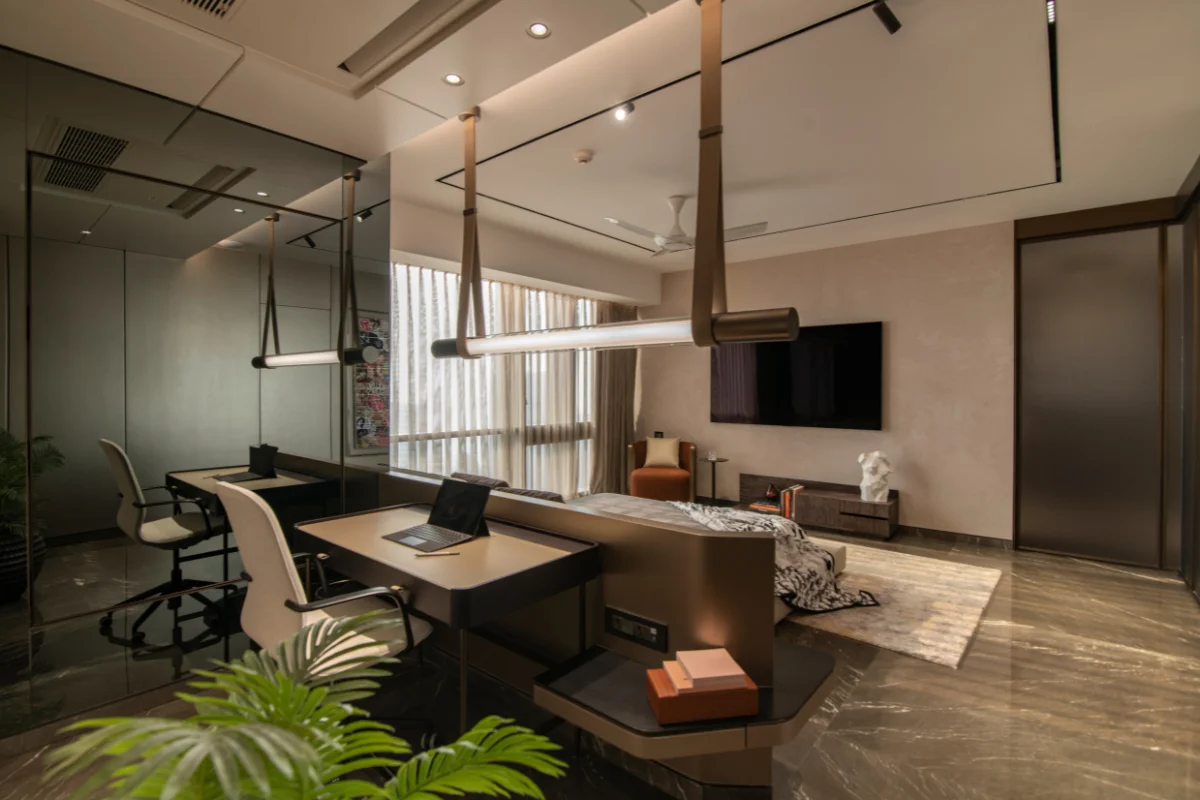
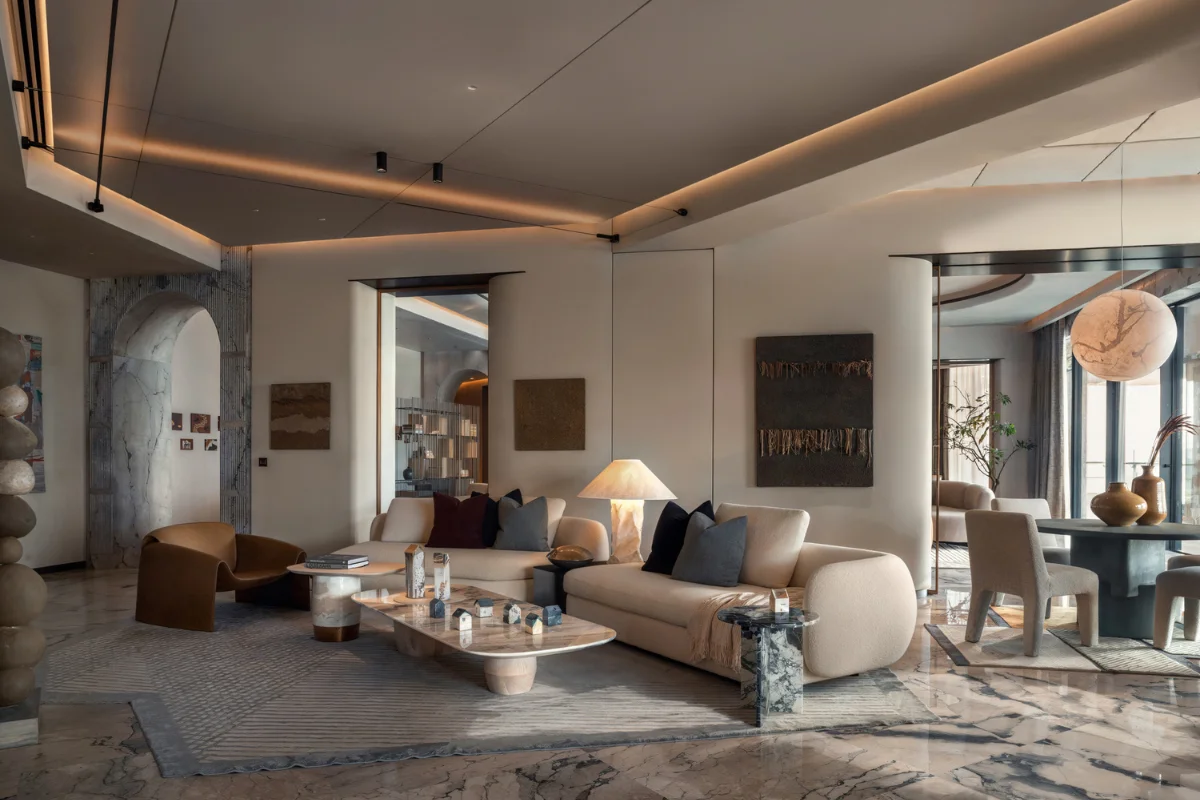
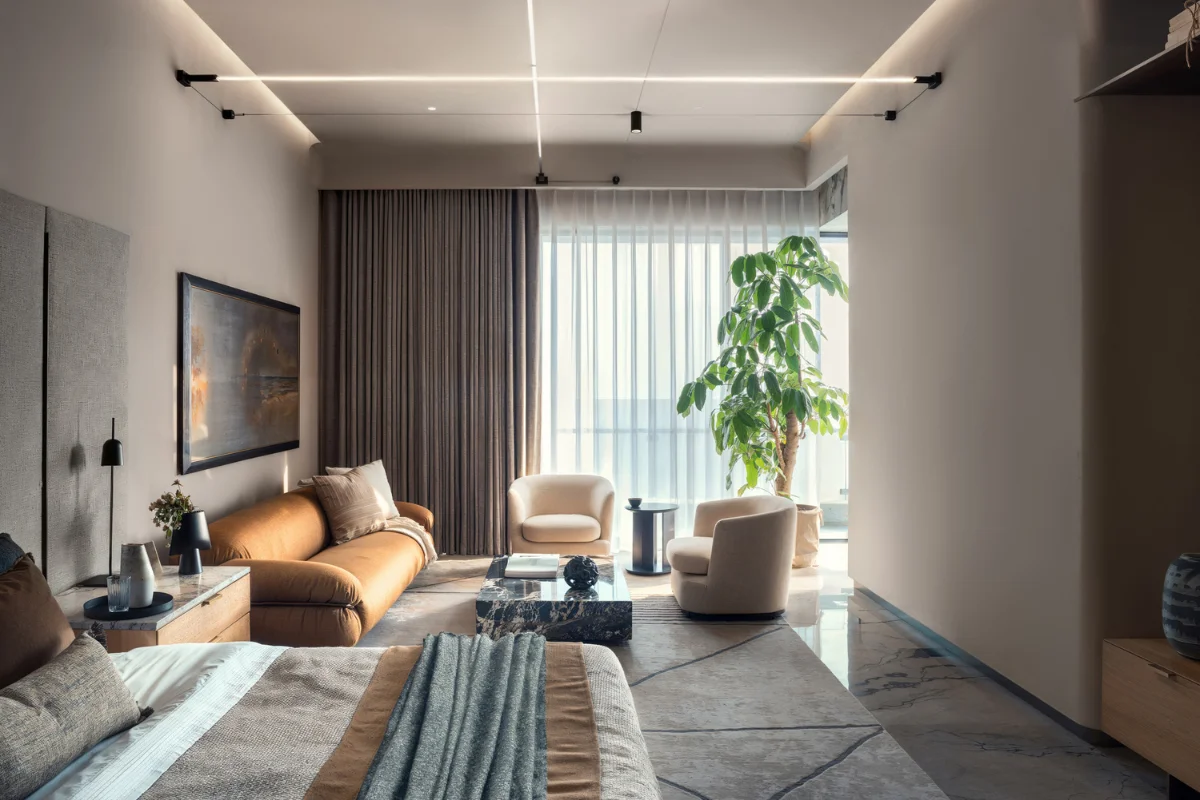
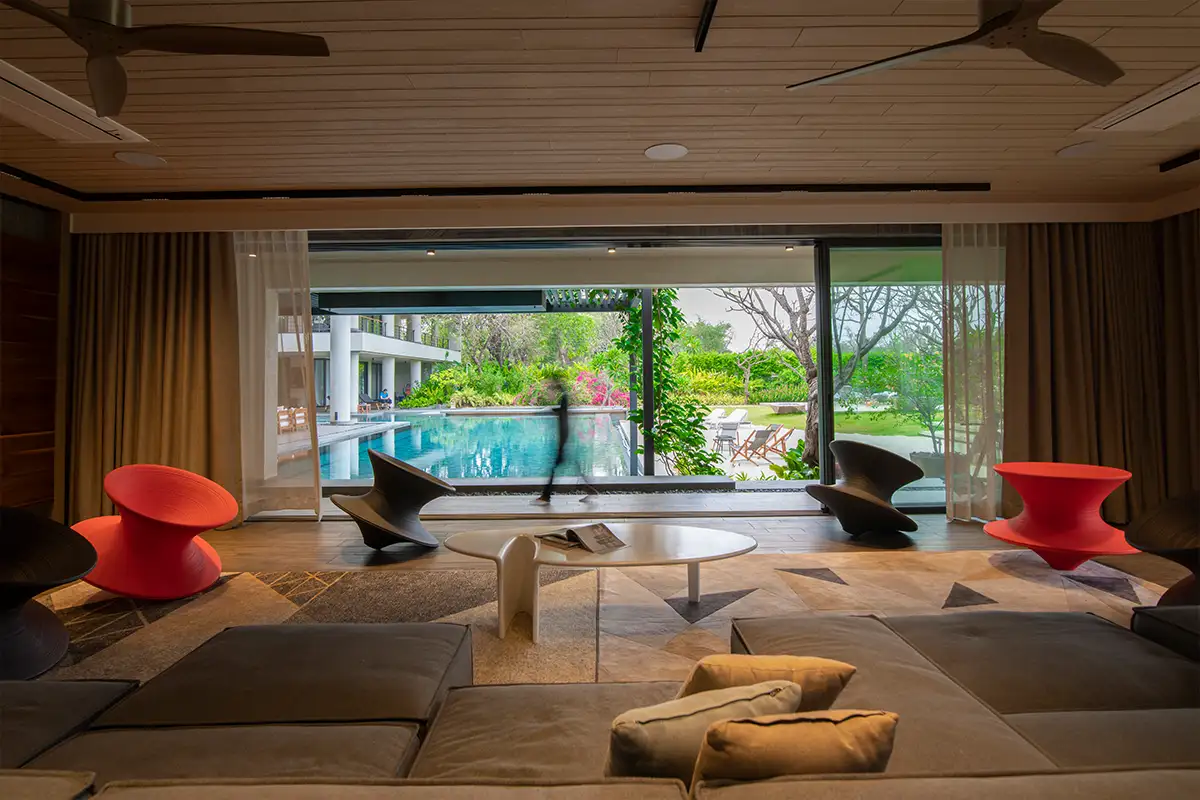
Warm minimalism is emerging as a defining interior design trend for 2026. Unlike the cooler and more clinical minimalism of previous years, warm minimalism introduces timber, natural stone, textured finishes, warm tones, and carefully selected materials. The result is a refined interior that feels uncluttered while retaining depth, character, and comfort.
Nostalgic Interior Design Elements
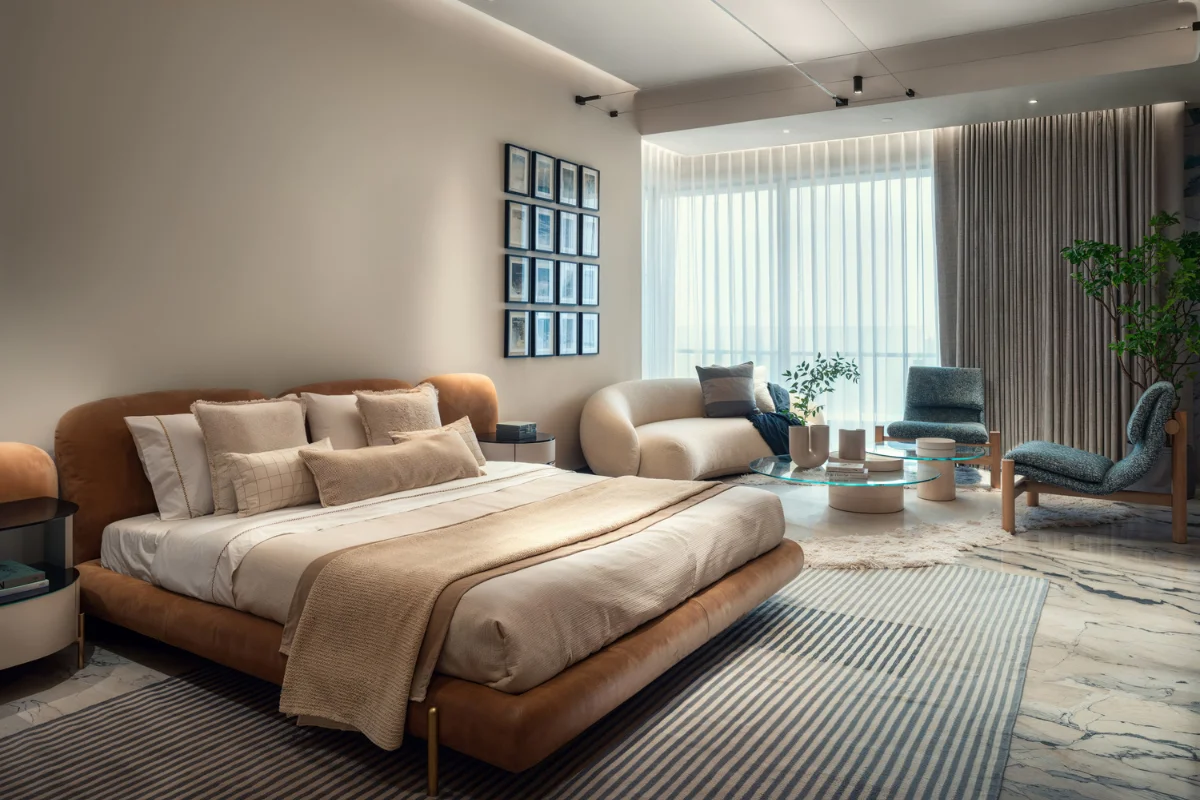
Contemporary interiors are bringing back elements inspired by the past. Curved forms, artisanal detailing, classic proportions, and familiar residential references can create spaces that feel sophisticated yet emotionally connected. In luxury interior design, nostalgia is increasingly being interpreted through custom detailing, craftsmanship, and materials that develop character over time.
Architectural Patterns and Spatial Rhythm
Patterns are becoming part of the architecture rather than being limited to furnishings or decorative walls. Flooring layouts, wall treatments, ceiling details, material repetition, and aligned architectural elements can help define zones and improve movement through open-plan interiors. Thoughtfully integrated patterns add identity while maintaining spatial clarity.
Tactile Materials and Textured Interiors
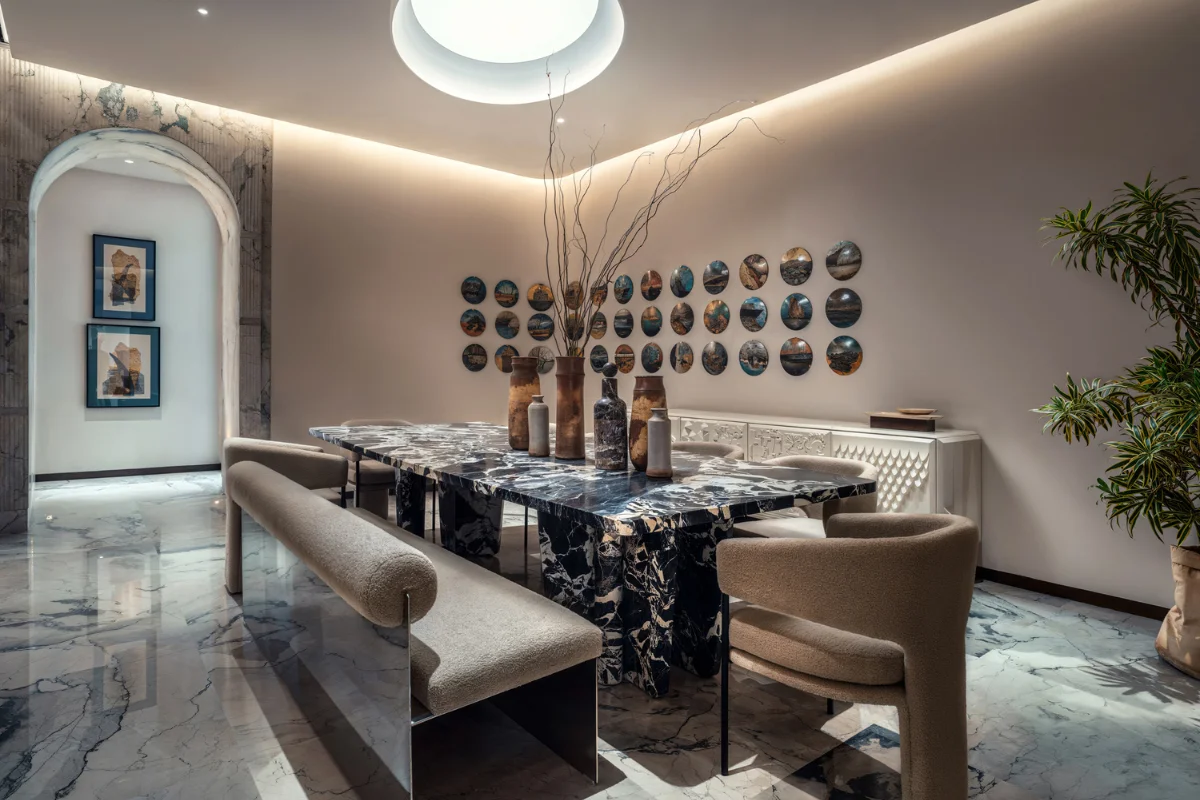
Texture is an important component of modern interior design in 2026. Natural stone, timber, handcrafted surfaces, matte finishes, textured walls, and other tactile materials add visual and sensory depth. Material selection can also contribute to acoustic comfort and help soften large interior volumes.
Concealed and Architectural Lighting
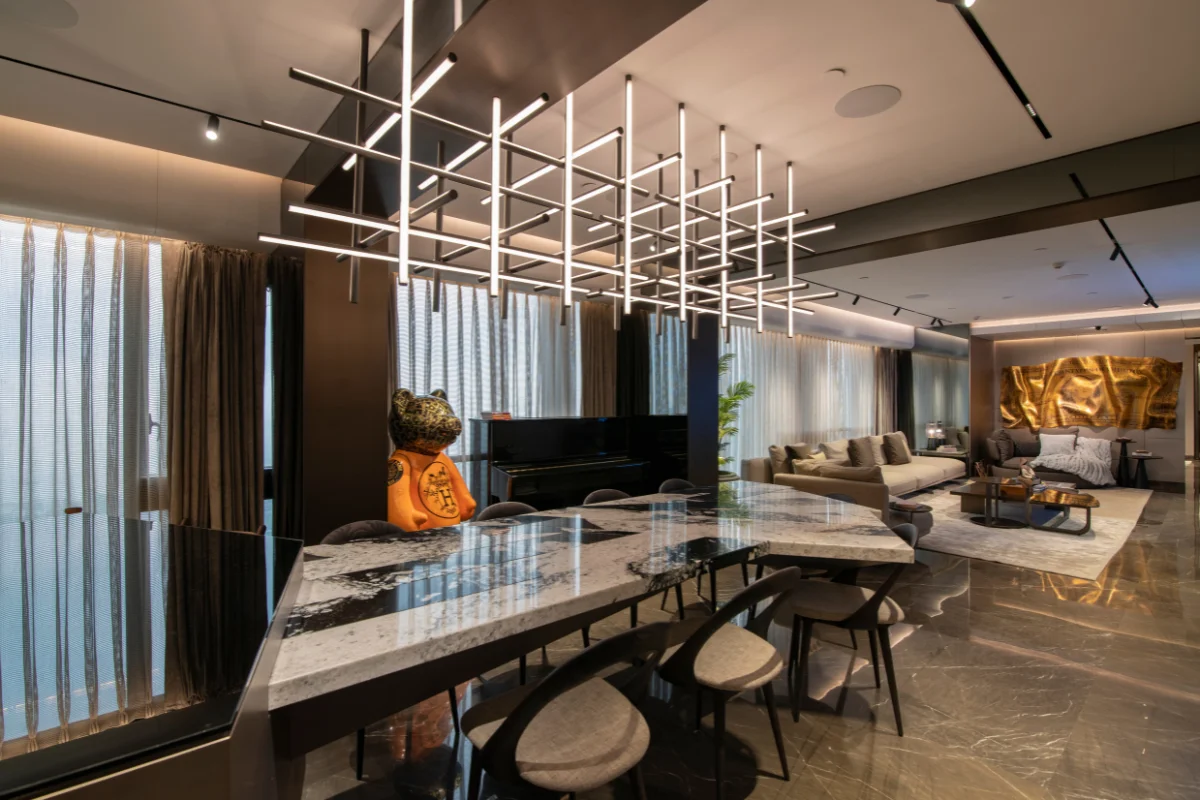
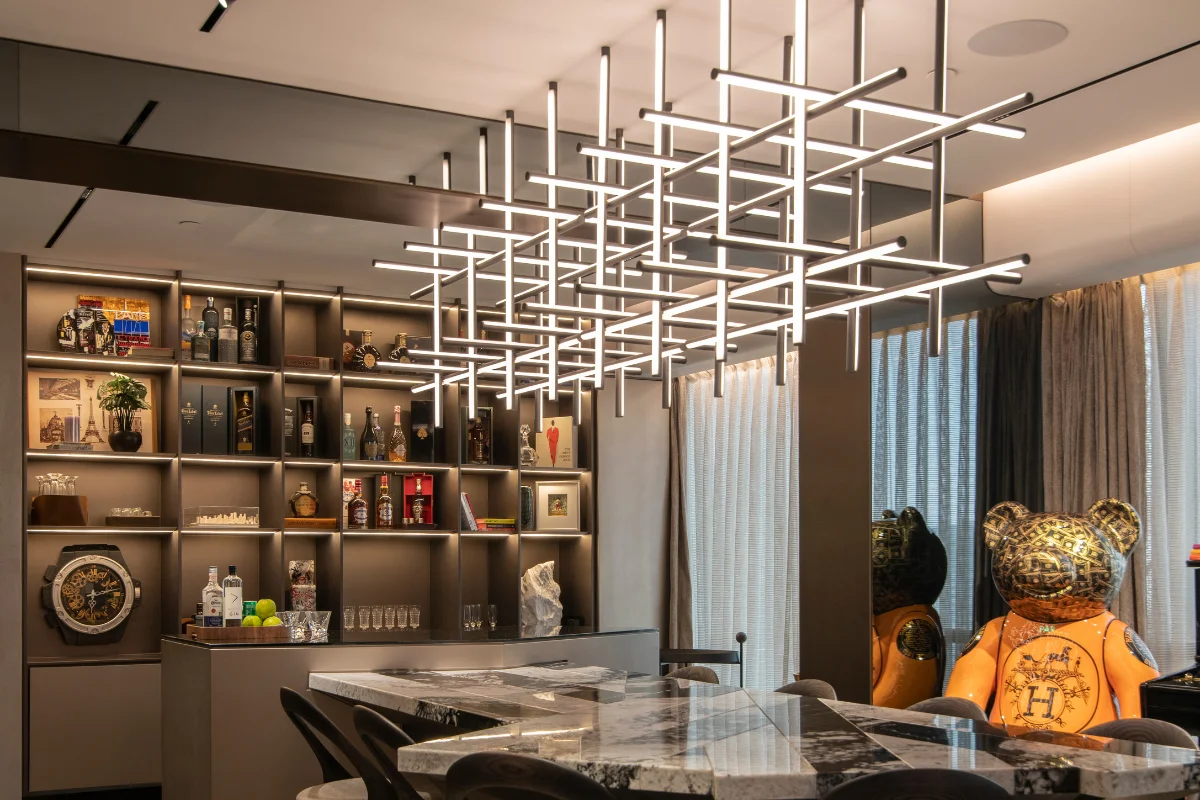
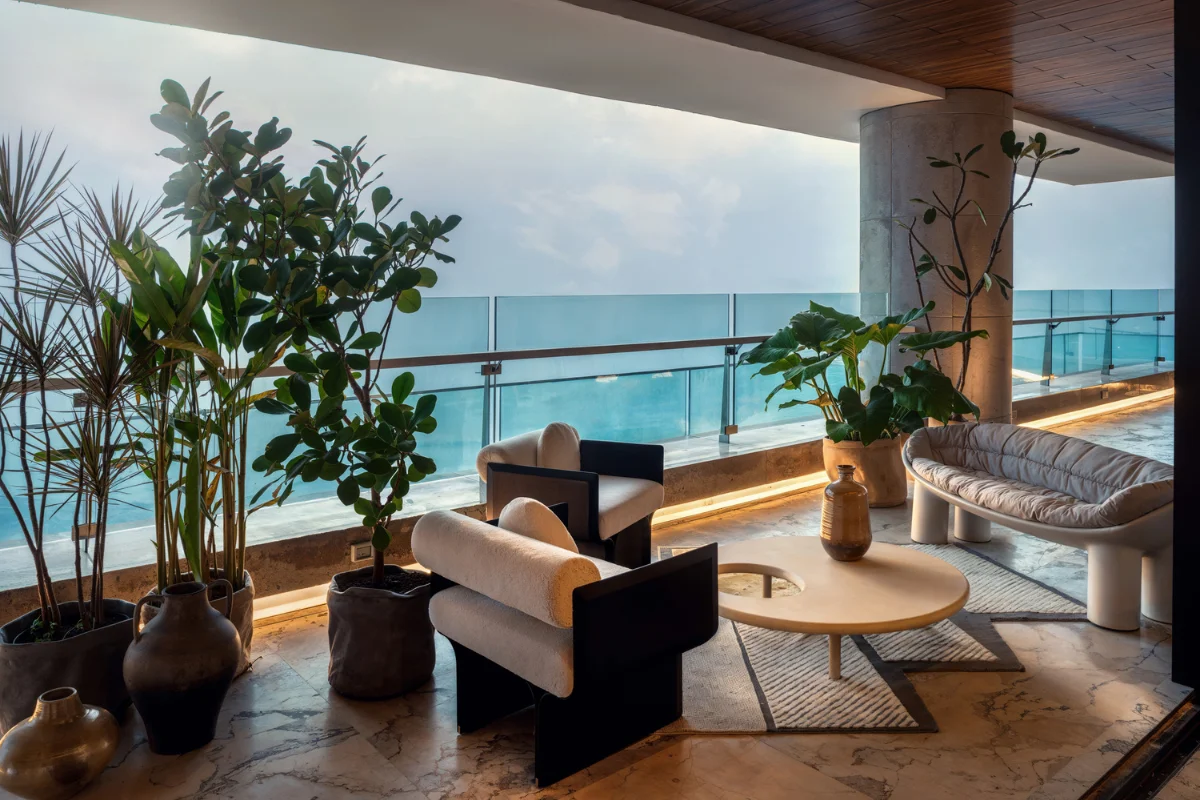
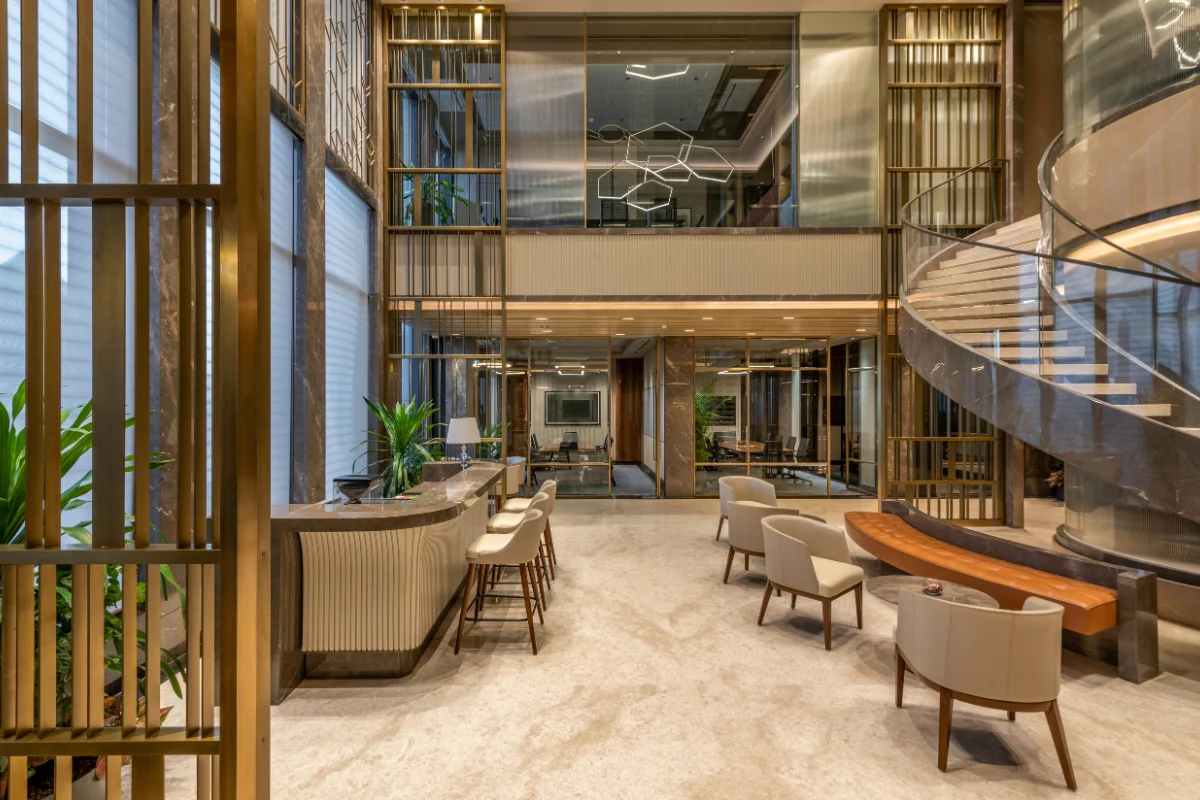
Lighting is becoming more integrated into the architecture of luxury interiors. Concealed LED lighting, indirect illumination, recessed sources, and carefully positioned architectural lighting can create a softer and more adaptable atmosphere. Rather than relying on one statement fixture, contemporary lighting design uses multiple layers to support different activities and moods throughout the day.
Smart Interior Design and Integrated Technology
Smart homes in 2026 are increasingly focused on technology that works quietly in the background. Climate control, energy management, automation, lighting controls, and other systems can be integrated into the architecture without dominating the visual character of the interior. Adaptable technology helps homes remain functional as lifestyles and digital requirements evolve.
Personalised Luxury Interior Design
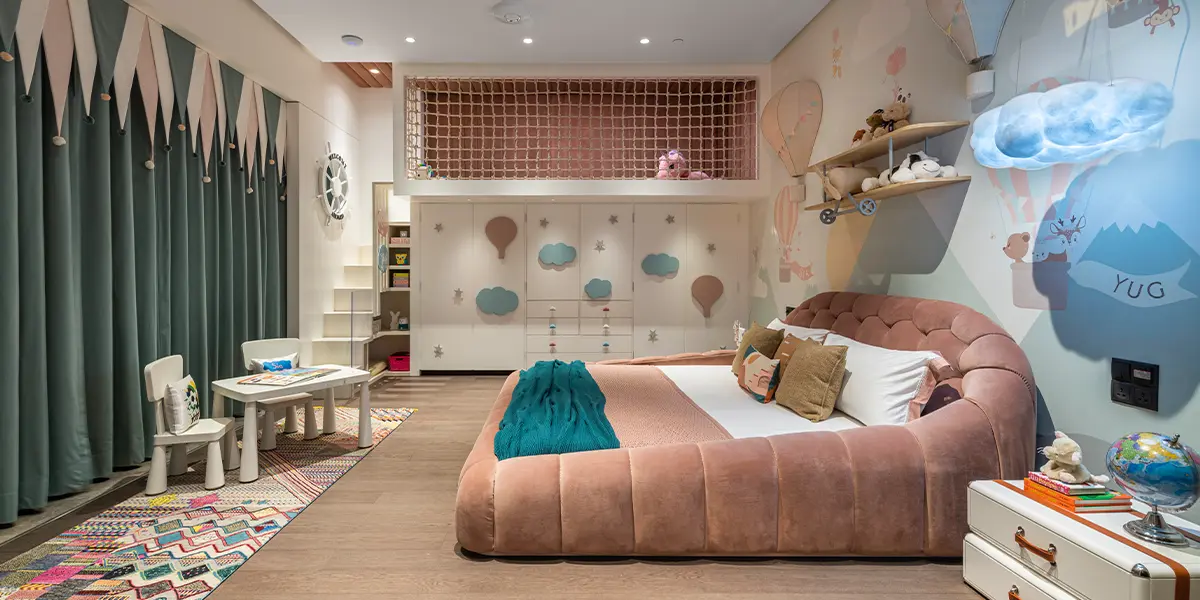
One of the most important interior design trends for 2026 is personalisation. Luxury homes are increasingly planned around individual routines, work patterns, social habits, storage requirements, and lifestyle preferences. Flexible layouts, bespoke storage, and purpose-driven spaces allow interiors to adapt to changing needs rather than following a standard formula.
Modern Luxury Interior Design for Indian Homes
Luxury interior design for Indian homes is increasingly combining contemporary planning with material richness, cultural references, craftsmanship, and climate-conscious thinking. The emphasis is on creating residences that feel sophisticated while remaining comfortable, practical, and connected to the lifestyle of the people who inhabit them.
The Future of Interior Design
The future of interior design is moving toward intentional spaces that balance aesthetics with usability. Warm minimalism, natural and tactile materials, nostalgic influences, architectural patterns, concealed lighting, integrated technology, and personalised planning are helping redefine contemporary luxury interiors.
The most successful interiors are not simply designed to look impressive. They are designed to support everyday rituals, improve comfort, respond to individual lifestyles, and remain relevant over time. In 2026, thoughtful planning and purposeful design are becoming central to the meaning of modern luxury.
A detailed guide to the most influential 2026 interior design trends
Picture Courtesy- Talati and Partners
Design years rarely arrive with a sudden fanfare or a dramatic shift in aesthetics; instead, they settle in through a gentle transition in temperament, focusing on how a room feels along with how it appears on Instagram. As we step into 2026, the world of high design pivots away from performative interiors. The new mood prioritises environments shaped by emotional resonance, cultural memory, and an undeniable material presence. A home is no longer a stage for constant display. It is a sanctuary designed to support the rituals of daily life with nuance and a very deliberate intention.
At Talati and Partners, this evolution feels like a natural extension of a philosophy rooted in spatial discipline and a commitment to longevity. While global movements provide a baseline, the true success of these trends lie in their translation into local contexts and client lifestyles. The directions defining 2026 reflect a sophisticated balance where restraint and tactility dictate the next chapter of the modern residence.
Minimalism persists, yet the aesthetic is shedding its former clinical coldness. The sharp edges and monochromatic schemes of previous years are being replaced by what many now call amber minimalism. This style relies on timber finishes, stones with visible character, and a palette that invites comfort without slipping into excess. It is about creating a sense of depth through a limited but extremely rich selection of materials.
In the Trump Tower residence, Talati and Partners demonstrate this shift through composed layouts and a profound material restraint. The spaces remain uncluttered, avoiding any sense of sparse austerity. Lighting is meticulously calibrated to soften hard surfaces, while the chosen finishes and decor possess a natural richness.
Contemporary structures now embrace a shift away from visible technology toward embedded systems that champion efficiency and physical ease. Energy management and climate control find a permanent home within the masonry and frame of the building itself. Within the luxury residence and service apartments, Talati and Partners induce this vision through planning that supports automation without compromising the quality of the space. Smart design throughout the coming year prioritises adaptability, ensuring a project remains ready for future digital shifts without the need for extensive physical change. The focus rests upon endurance rather than fleeting novelty.
There is a growing return of familiar forms, drawn from personal history rather than simple imitation. Curved edges, artisanal details, and references to classic residential typologies are finding their way back into contemporary planning. These elements introduce a sense of familiarity that feels grounded and secure.
Talati and Partners approach this nostalgia as a spatial idea rather than a mere decorative layer. In their urbane apartments, this often emerges through custom detailing and proportions that recall the grand homes of the past. Materials are selected for their ability to age gracefully, acquiring a patina that tells a story over time.
In 2026, pattern is no longer confined to soft furnishing or a single feature wall. It has become an integral part of the architecture, acting as a tool to guide movement and define specific zones within the home. Flooring layouts, wall treatments, and ceiling articulations use repetition and alignment to bring structure to open plans.
Talati and Partners strategise this to support spatial flow, ensuring that every pattern enhances orientation. It is a way of adding character without allowing the design to dominate the attention of the observer.
Texture is gaining immense importance as clients seek interiors that engage all the senses. Matte finishes, tactile wall treatments, and handcrafted surfaces introduce a layer of depth that does not rely on visual noise. Texture also plays a vital functional role, improving the acoustics of a room and softening the impact of large volumes. It turns a flat surface into something that invites touch and exploration.
The Palais Royale apartment, a project by Talati and Partners, perfectly demonstrates how texture can define luxury through material presence. Carefully selected finishes interact with natural light throughout the day, creating a beautiful variation within a controlled palette.
Lighting design is becoming increasingly architectural and discreet. Instead of relying on a single feature fixture to carry a room, interiors are shaped through indirect illumination and concealed sources. Modern luxury interiors demand a high level of flexibility to support different moods across the day.
Talati and Partners integrate these lighting strategies early in the planning process. This ensures that the illumination enhances the clarity of the space and the character of the materials. The outcome is an interior that feels perfectly composed at all hours, transitioning from day to night without any dramatic or jarring shifts.
Perhaps the most defining trend of 2026 is the emphasis on personal use patterns. Luxury clients now expect homes that respond specifically to their routines, work habits, and social lives. This has shifted the focus towards flexible layouts and bespoke storage solutions that can adapt as life changes. It is a move away from the “one size fits all” approach to luxury. This ensures that luxury is experienced through usability and the ease of daily movement. It is a testament to the idea that a well planned home is the ultimate form of comfort.
The lasting relevance of thoughtful design and intentional living
The interior design trends of 2026 reflect a broader cultural shift towards a more thoughtful way of living. Warm minimalism, nostalgic cues, and calibrated lighting all serve a shared goal of creating homes that support life with grace. For Talati and Partners, these trends are not merely adopted; they are interpreted through the lens of architecture and material discipline. Luxury has become less about the overt display and more about the personal experience.
Blogs you may like..
Are you ready to step into the world of interior design and immerse yourself in the latest trends and styles? Welcome to the exciting realm of blogs at TPA, where creativity meets functionality and inspiration abounds.
Discover how office interiors can reflect your brand identity. Talati and Partners share design ideas that align your workspace with your values and goals.